
As the demand for modern, affordable and sustainable furniture grows around the world, so does the export of furniture. Furniture manufacturing and trade is important in China, Vietnam, Italy, Germany and Poland.
Consumer tastes and trends, and the high tech world and incredible world opportunities are altering the industry. Exporters are designing innovative packages, improving product quality and efficiency in production in order to secure their position in the international market.
1. The more and more vital role of the global export market for furniture
Furniture export market is the link between the furniture manufacturers and international retailers, distributors and customers. Increasing population in urban areas, new residential constructions and business buildings are driving the demand for residential and office furniture.
Exports enable manufacturers to sell their products to other countries and allow them to develop business connections overseas.
2. Leading Furniture Exporting Countries and Global Markets
Important furniture manufacturing and exporting nations are China, Vietnam, Italy, Germany and Poland. China is known to produce in large volumes, Italy is known for luxury designs, Germany is known for quality engineering and Poland is known for its sturdy furniture manufacturing industry.
The international furniture supplier finds ample opportunities in major markets like the United States, Germany, France and the United Kingdom.
3. Innovation and modern technology in furniture making
Today's technology is making furniture manufacturing more efficient with the use of automated machinery, CNC cutting and computer-aided design (CAD). These technologies can help manufacturers to create accurate products, minimize material waste and maintain product quality.
Also, 3D visualization and digital customization enables buyers from abroad to choose from different furniture designs, materials and finishes as per their requirements.
4. Sustainable Furniture and the growing trend of eco-friendly exports
Sustainability is becoming an important factor in furniture exports. Responsible sourcing of wood, bamboo and recycled materials and methods are becoming more common among manufacturers.
Other trends to note include eco-friendly packaging and recyclable furniture designs. These practices enable the exporters to gain their international reputation and to win over their environmentally conscious customers.
5. Changing Consumer Preferences and International Furniture Design Trends
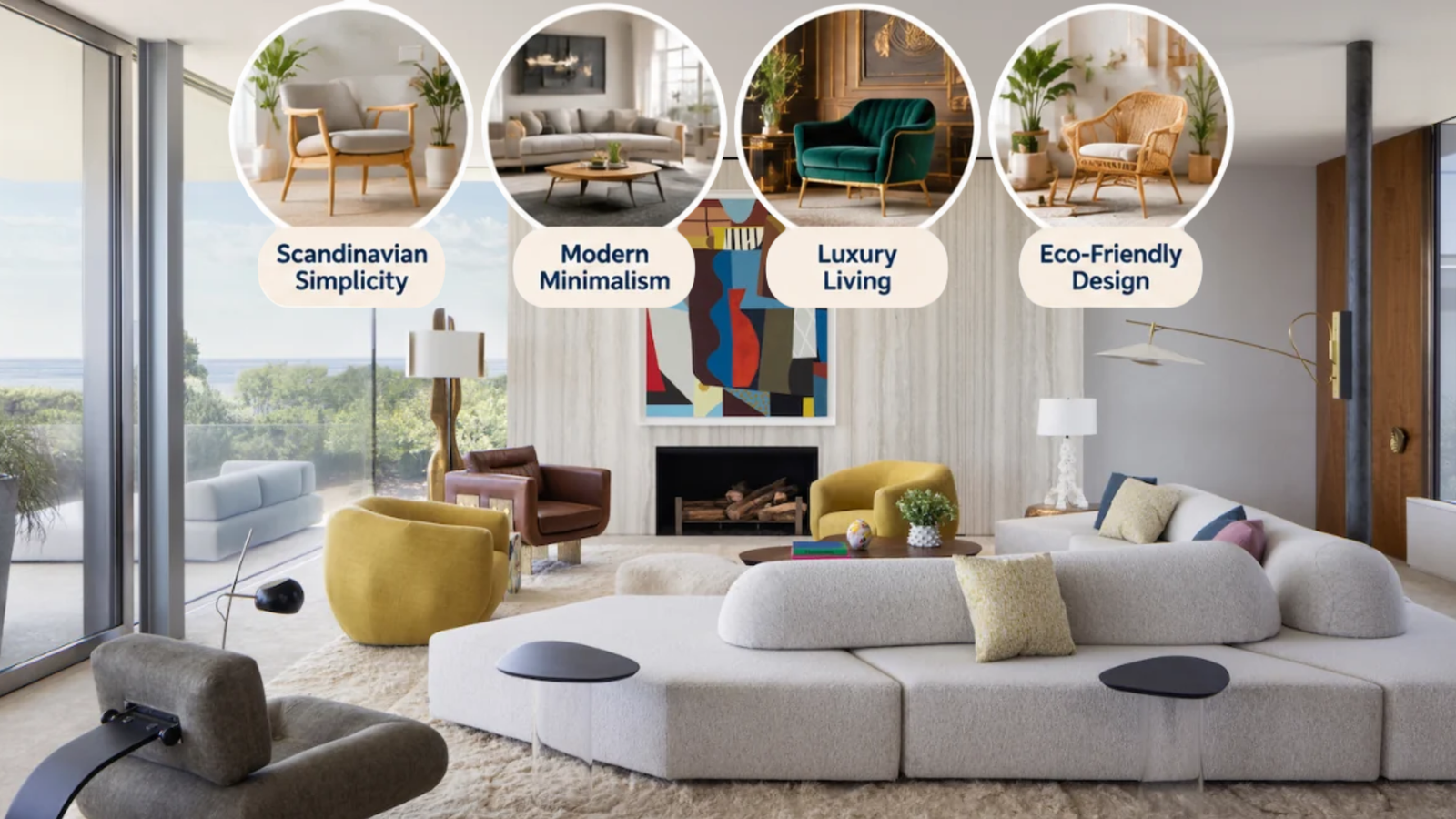
There is rising demand from consumers for simple designs, multipurpose furniture and a comfortable interior. The rising popularity of remote work has also led to an increased demand for ergonomic chairs and modern office desks.
Luxury furniture, customized designs and space-saving solutions are other growing trends. To meet the expectations of their international customers, exporters need to be familiar with the preferences of the region.
6. Problems of exporting furniture and furniture supply chains in the international market
Furniture Exporters have to deal with several challenges including high transportation cost, shortage of raw materials, delays in shipping and competition from abroad. There are also country-specific customs, safety and environmental rules to comply with.
To tackle these challenges, companies must be able to rely on logistics partners, ensure quality control and logistics flexibility.
7. Government Support for the Furniture Export Industry
Export opportunities exist in the future in furniture industry, such as e-commerce, customization and sustainable production. Modular furniture, outdoor furniture and ergonomic office solutions are new business avenues identified by the growing demand.
Manufacturers can tap into new markets, establish global connections, and leverage digital channels to connect with a broader audience of potential buyers. Continued growth will depend on innovation and product quality.
Conclusion
Modern technology, along with shifting consumer tastes and rising demand for eco-friendly furniture are transforming the global furniture export sector. While the cost of transport and competitive pressures as well as supply chain issues are all relevant, the international market still provides good business opportunities.
Companies operating with a quality focus, innovative designs, sustainable manufacturing and a strong global distribution network will be more likely to enjoy ongoing success and sustained growth as furniture brands.