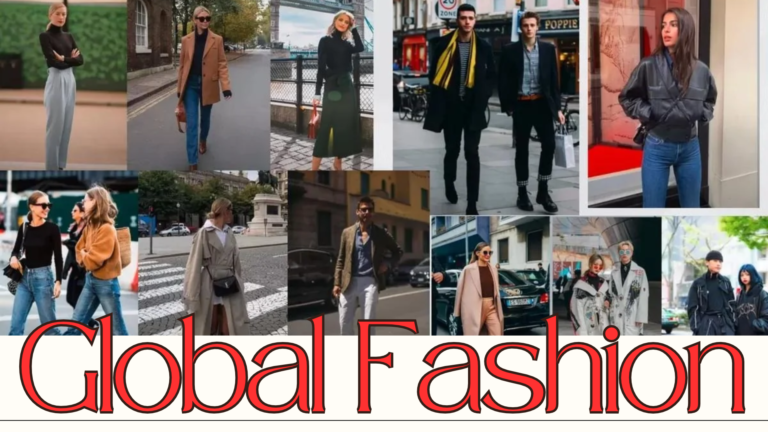
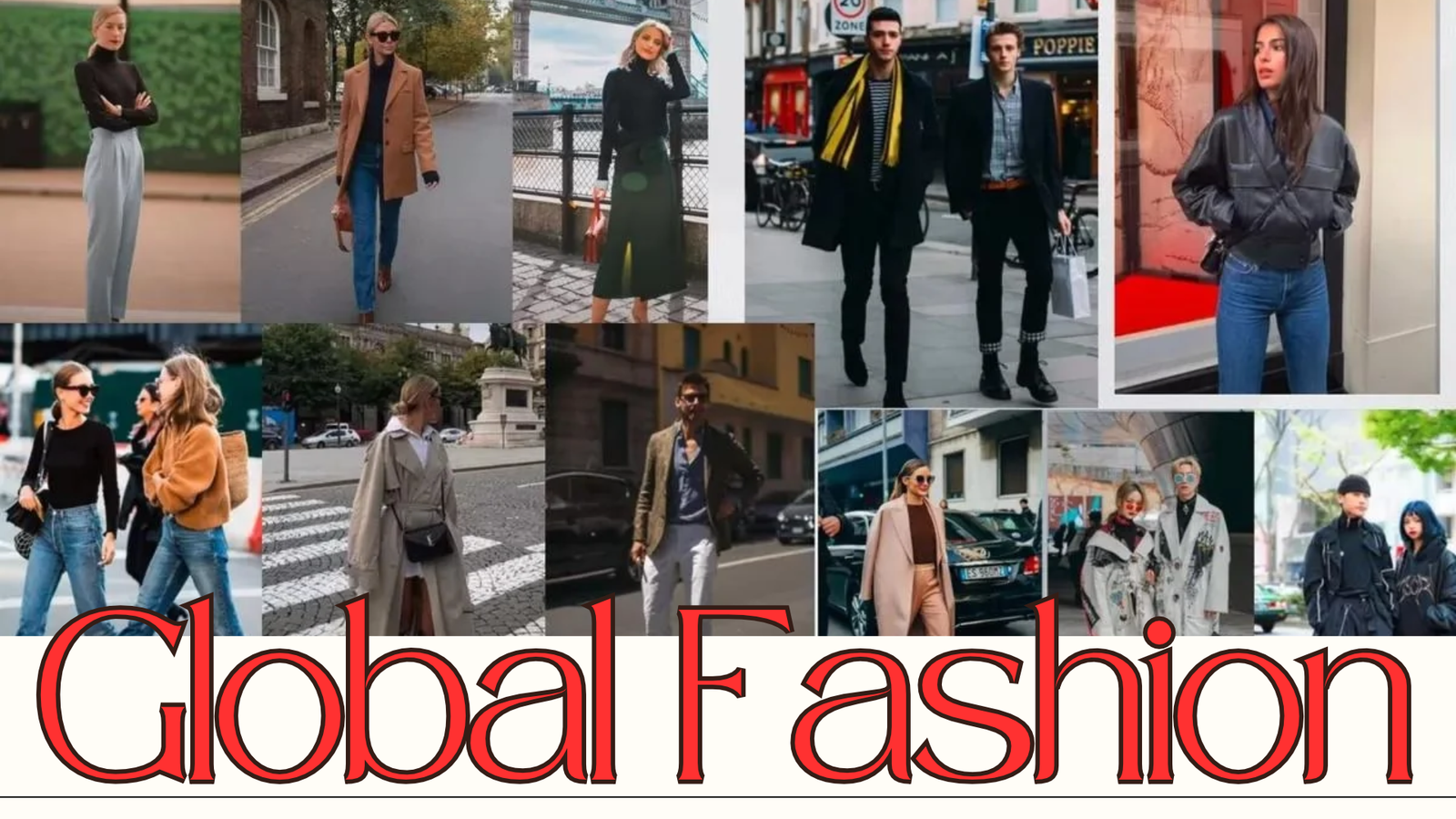
Fashion is more than just clothes; it is a representation of culture, identity, creativity and social change. Fashion is used worldwide as a medium of self-expression, inter-cultural communication and lifestyle. Whether it's the high-end fashion scene in Paris or Milan or streetwear in Tokyo, Seoul or New York, the fashion industry keeps changing. Social media, sustainability, and technology and consumer preferences are changing the way that fashion is designed, produced and experienced. Personal style is being redefined by new generations, and global fashion is rising to a new era of tradition and innovation.
01 / The Evolution of Global Fashion
Over the decades, fashion has evolved quite a bit, and has taken a significant turn for major cultural, economic and social changes. Clothing and tailoring has always been influenced by different eras, from traditional outfits to classic tailoring, and from contemporary streetwear to minimalistic designs. In today's world fashion is a blend of history and modernity. Vintage designs are frequently reinvented, classic outfits are reinterpreted and new silhouettes are inspired from the past.
02 / Global Fashion Trends Shaping the World
Fashion trends are now moving internationally at a much faster pace. The world's wardrobes are being driven by minimalism, oversized cuts, vintage vibes, comfortable casuals and bold statement accessories. Streetwear remains integral to youth culture and luxury fashion has become more integrated with casual wear. There are also times when consumers are interested in looking for classic styles, versatility and personal style instead of each seasonal fad. The changes are indicators of the diversification and personalization of global fashion.
03 / cultural diversity and fashion identity
The role of culture in the identity of fashion is significant. The world of fashion is a true mix of different styles, such as the minimalism of Japan, the streetwear attitude from Korea, African prints, Scandinavian simplicity and traditional European tailoring. Designers are more often than not increasingly incorporating cultural influences into modern designs, generating unique collections that highlight imagination and tradition. Old-fashioned fabrics, embroidery, patterns and craftsmanship are being re-discovered in the new realm of fashion. But it is critical to appreciate and respect the cultures and traditions of these communities.
04 / Social Media And The Rise Of Fashion Influencers
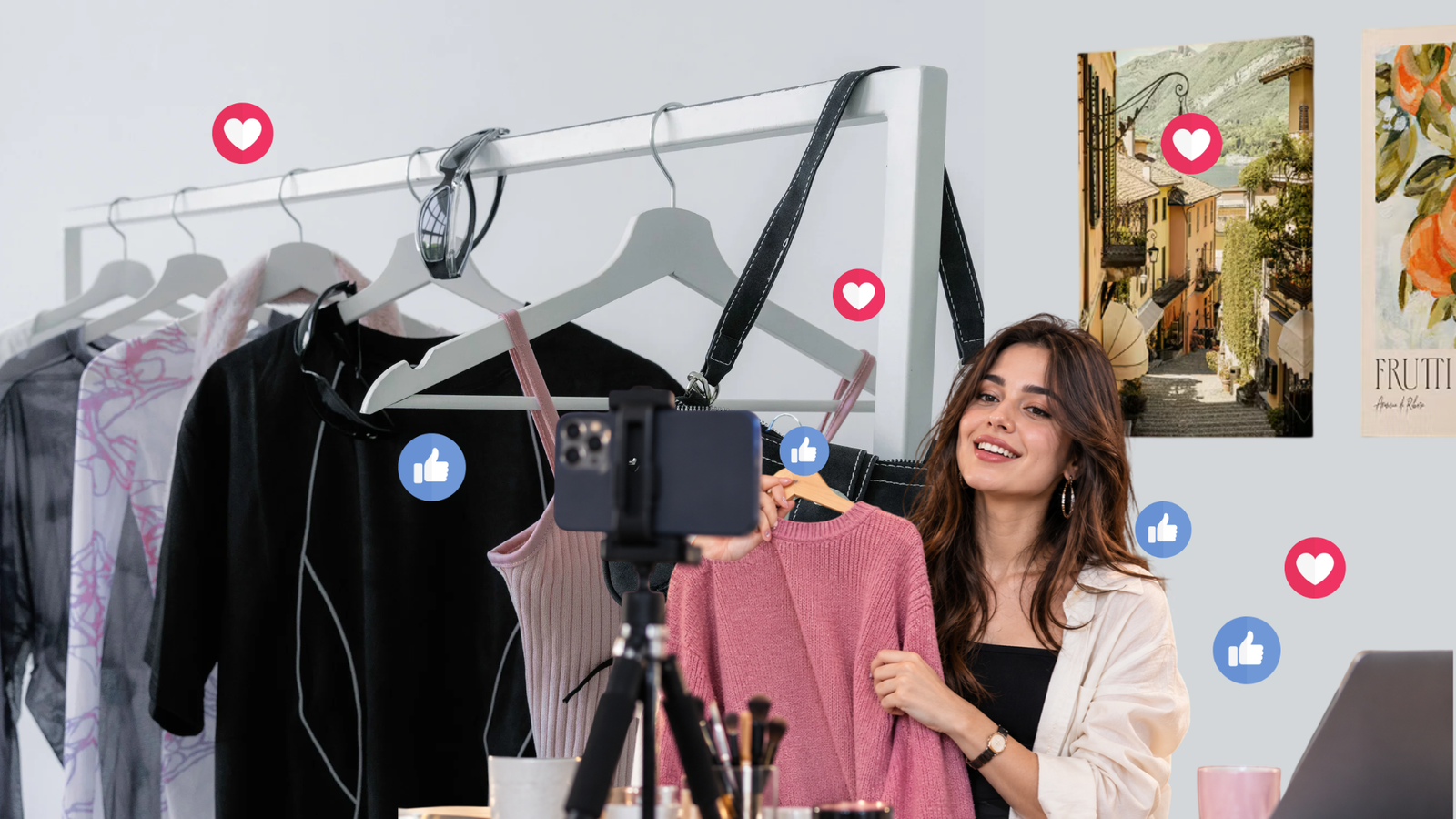
Social media platforms like Instagram, TikTok and Pinterest have revolutionized the way people find and follow fashion trends. Fashion influencers, celebrities and digital creators bring fashion to the masses, and sometimes, everyday outfits become big trends. In addition, online fashion communities provide opportunities for independent designers and tiny brands to connect with a worldwide audience without solely depending on conventional advertising methods. Consequently, fashion inspiration is now more accessible, social and interactive.
05 / Evaluate the environmental impacts of fashion and clothing
Sustainability is emerging as one of the primary issues in the fashion landscape around the world. The consumer and brands are awakening to the issues of textile waste, textile pollution, and working conditions, which is driving a rethinking of how fabrics are made. Second-hand, recycled materials, organic fabrics, clothing repair and slow fashion are being highlighted. There's also a growing number of fashion brands to consider more sustainable production and open sourcing. In addition to beautiful fashion, the future of clothing and their effect on the world will rely on responsible consumption and production practices.
06 / Technology and Innovation in the Fashion Industry
Fashion designers, manufacturers and consumers are finding new opportunities with the help of technology. Digital fashion design, 3D fashion development, virtual try-on fashion and online fashion experiences are transforming the way people relate to clothes. Advanced manufacturing methods can promote efficiency and minimize material waste; augmented reality can enable customers to dress up outfits in their virtual shoe box. International fashion brands can also be easily reached through ecommerce platforms. These innovations are bringing creativity and digitalization to the fashion industry.
07 / The Future of Global Fashion
Individuality, sustainability, cultural diversity and technological innovation will be the forces that define the future of global fashion. There is a growing trend for people to want clothes that convey their individuality, and not their popularity. Independent designers and new fashion markets are likely to grow in their role as a determinant of international fashion. Meanwhile, circular fashion, resale websites and responsible manufacturing could become more prevalent. As designers are exploring new materials, innovative concepts, and methods of engaging with global audiences, fashion will keep changing.
Conclusion
Global fashion is much more than a changing collection of trends; it is a powerful expression of culture, identity and innovation. Whether it's the traditional craftsmanship, global street style, sustainable fashion or digital experiences, the industry continues to shape the ways people dress and express themselves. New opportunities for designers and consumers thanks to technology and environmental awareness, social media, and trends are global. In the future, the most effective fashion trends will be the ones that have creativity, personality, culture appreciation, and culture responsibility. Fashion is more than just about clothing; it's about individuals' value systems, thoughts, and identities as they project them through fashion.