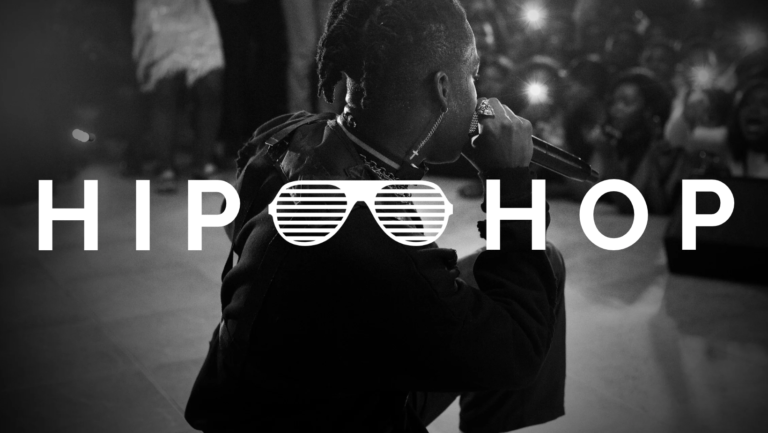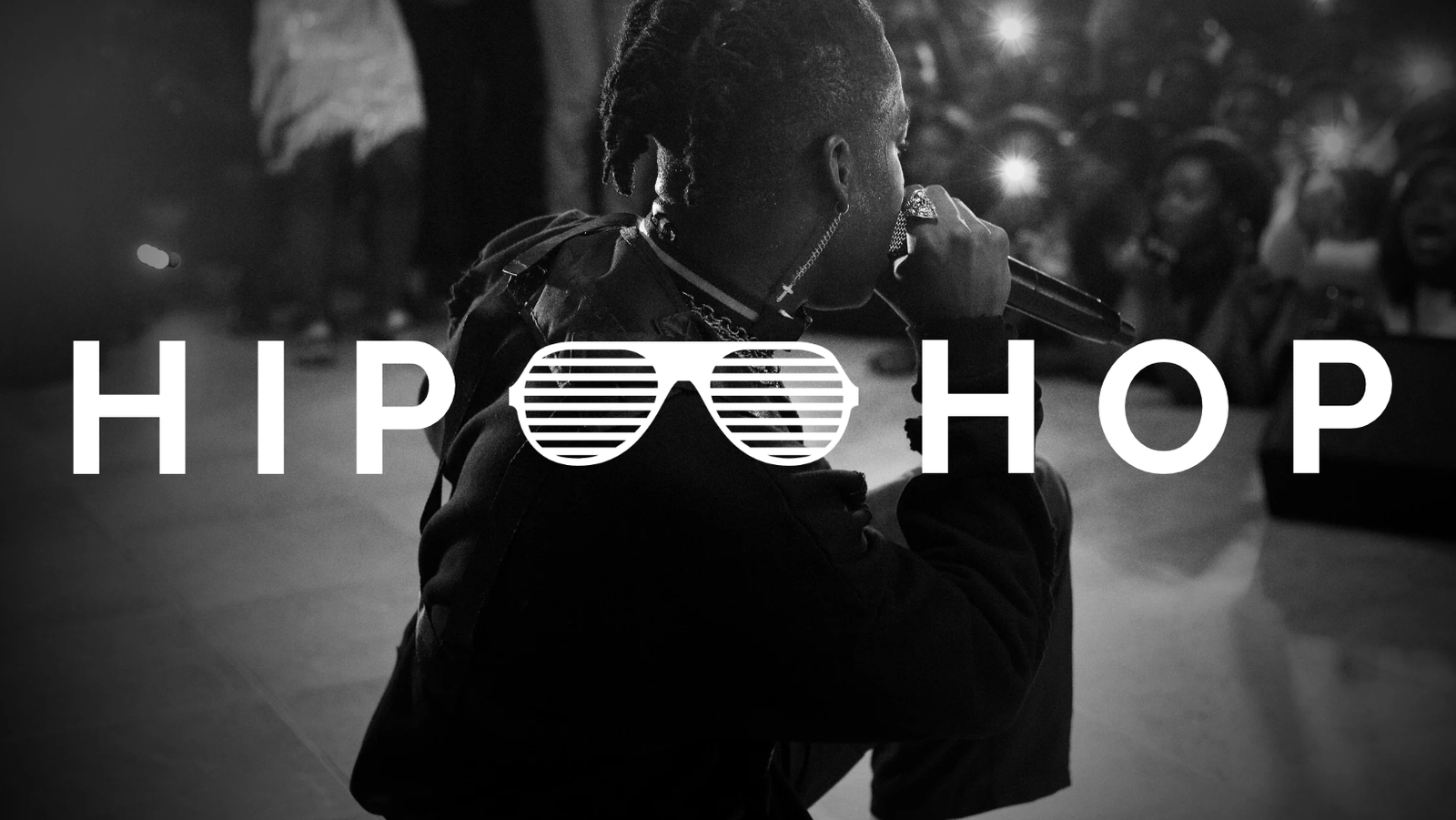
Hip-hop has evolved from a cultural phenomenon to a significant part of contemporary entertainment. Started in the Bronx, New York in the 1970s, it has spread throughout the world, impacting music, fashion, dance, language, art, and social movements. Today, hip-hop is still influencing how youths express themselves and interact with the world, from the music itself to fashion and the internet.
Today, artists from all over the world and with diverse backgrounds are bringing their own sounds and stories into hip-hop, making it even more diverse and global than ever before. It is not just about entertainment and a world for young generations to express their identity, experience, aspirations and views.
01 / From the Bronx to the World: The Origins of Hip-Hop
Hip-hop started in the Bronx, New York in the 1970s in an artistic expression of the African American and Latino communities. It emerged in neighbourhood block parties, featuring DJs cutting their teeth on breakbeats, MCs engaging their audiences, dancers filling the tempo with lots of energy and graffiti artists making use of public spaces to work their magic.
Hip-hop grew to include four cultural elements: rapping (MCing), DJing, breakdancing (breaking), and graffiti art. These elements provided young people with new means of self-expression, communication and community.
It began as a grass-roots movement, but eventually spread beyond national boundaries, creating a strong global culture that has had a significant impact on music and society.
02 / Hip-Hop Fashion: From Streetwear to Global Style
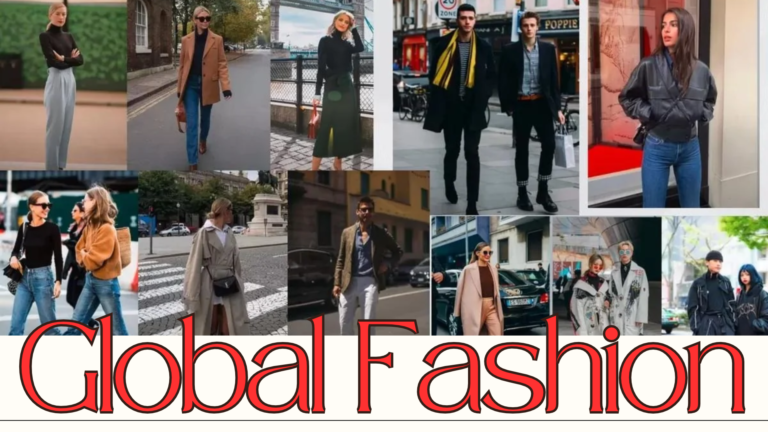
Hip-Hop has played a significant role in influencing fashion around the globe, and has made it an indispensable part of the current fashion style in the street. Oversized clothing, hoodies, sneakers, baseball caps, graphic T-shirts and jewellery came into being as familiar aspects of hip-hop identity.
Sneakers and streetwear have been popularized as fashion trends as well by artists. Musicians, designers and fashion designers have teamed up, and hip-hop influence has made its way into the mainstream retail and luxury fashion.
A lot of young people's clothes are not just about looking good. It symbolizes confidence, creativity, individuality and community with a culture.
Hip-hop fashion is still evolving in contemporary times, embraced by vintage fashion trends, luxury streetwear, eco-friendly fashion, and independent designers.
03 / Hip-Hop Spread Around the World and Social Media
The advent of social media has changed the way that people listen to hip-hop music. New platforms like TikTok, Instagram, YouTube, and streaming services provide a way for emerging artists to get their music out there without relying solely on record labels.
A short rap, dance challenge or music video can reach millions of viewers and bring an unknown artist to the international spotlight.
Platforms that provide streaming have also helped listeners find hip-hop music from around the world. Musical influences from Africa, Europe, Asia, and Latin America are also entering the style, along with artists from those areas who are adding their language, tradition, and music.
The digitalisation of hip-hop has paved the way for its increased variety and accessibility, enabling local music scenes to be part of a global cultural movement.
04 / Rap Music and the Evolution of Modern Sound
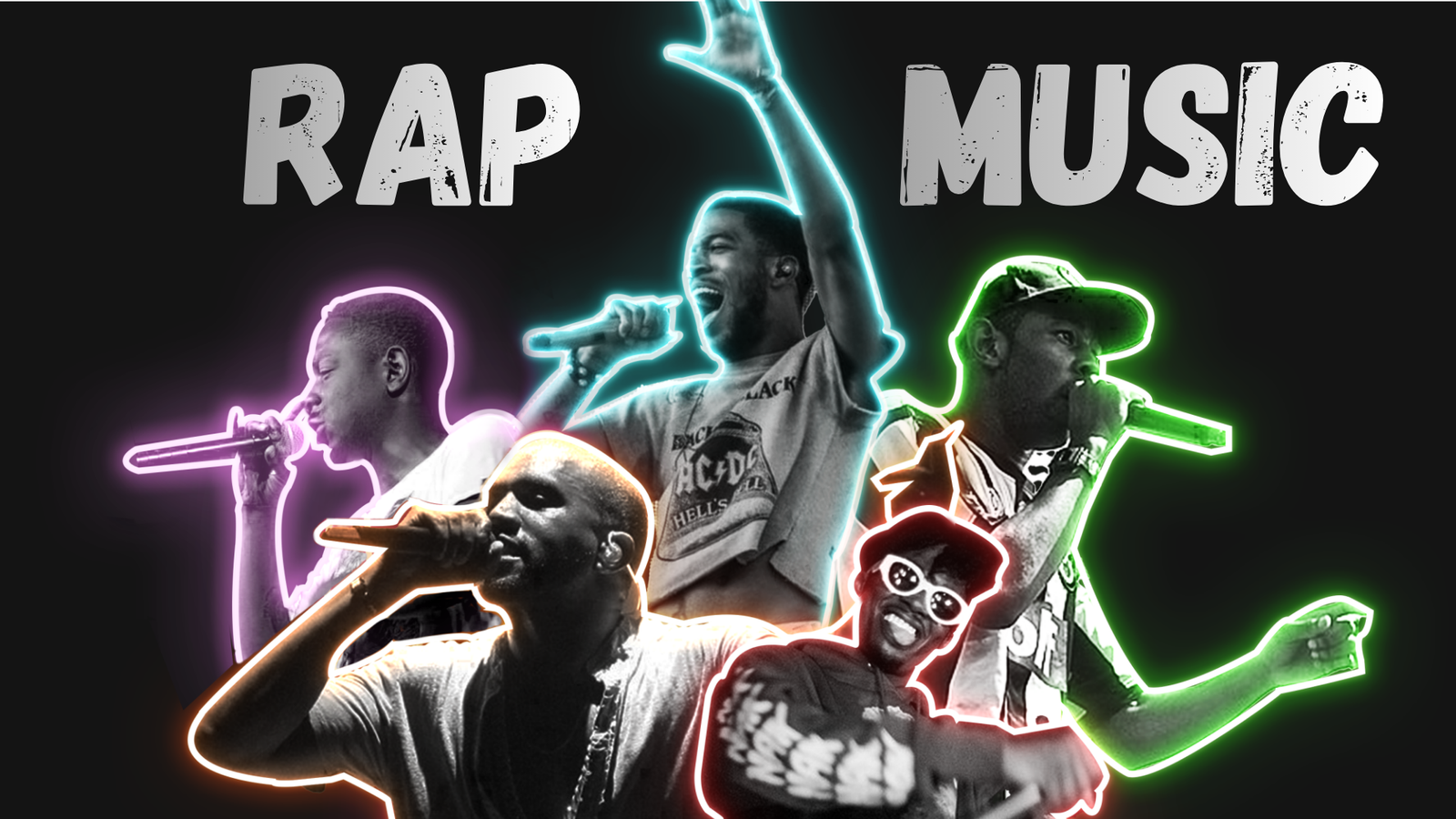
Rap music has become one the most recognizable components of modern music. It has also been influential beyond the realm of mainstream hip-hop, thanks to its rhythm, spoken lyrics, storytelling and creative use of words.
Hip-hop is often mixed with pop, R&B, electronic, jazz, rock, and Afrobeat music by modern artists. This experimentation has given rise to new sounds which resonate with audiences in different generations and countries.
There have been also major changes in the music production. The discovery of digital beats, sampling, collaborations and home studios enable independent musicians to explore their own style.
Hip-hop has crossed over one musical formula. It has now become the backbone of innovation in today's music business.
05 / Youth Culture: Identity, Creativity and Self-expression
Hip-hop is a significant medium for young people to express their identities and experiences. It provides opportunities for people to express their ideas, feelings and experiences through music, dance, fashion and visual arts.
Rap lyrics for many young people serve as a means to explore their ideas of ambition, relationship, inequality, social pressure, discrimination, and the challenges of everyday life.
Creativity and collaboration are also promoted in hip-hop communities. Young people are given opportunities to develop confidence and artistic skills through dance groups, freestyle battles, music workshops and local performances.
Despite the differences in its prominence in different communities, hip-hop has been a cultural ground for young people to create their sound and oppose traditional expectations.
06 / Hip-Hop as a Voice for Social Change
Hip-hop isn't just about entertainment; it's always been linked to social commentary and cultural awareness. Many artists have made their lyrics a focus on issues like racism, poverty, violence, political inequality and lack of opportunities.
Hip-hop has been a vehicle for a community that has been historically marginalized from the mainstream media. Musicians can raise awareness about social issues through storytelling and impactful performances.
Today's hip-hop generation carries this on, and rappers have the ability to specialize their influence to assist in neighborhood endeavors, open public debate, and encouraging positive change.
But, there are some critiques of the genre for some lyrics, stereotypes, and commercial factors. So, its cultural influence has two aspects: inspiring and being responsible for it.
07 / The Future of Hip-Hop: New Sounds and Global Opportunities
Cultural diversity, new music experiments and the music hunt will likely be the foundation of the future of “hip-hop.” The traditional rap is being blended with local music styles, electronic production, live instruments, and sounds from other musical cultures, all of which are becoming more common among the band.The band is also increasingly using a blend of the traditional rap, local music styles, electronic production, live instruments and influences from other musical cultures.
Digital distribution, live performance and direct interaction with the audience have also become more opportunities for independent artists to build their fan base.
The other development is that there is an increasing international hip-hop scene. Languages and regional identities that have fewer footprints in the mainstream music are gaining their own voice to the global conversation.
With the changing times, hip-hop will remain vulnerable to accusations of cultural appropriation, commercialization, artistic freedom, and originality.
It will be able to adapt while retaining its creativity and self-expression, which will shape its future.
Conclusion
Hip-hop has become much more than a musical genre. It is a global cultural phenomenon that shapes fashion trends, entertainment, language, social interaction and the collective identity of younger generations.
Hip-hop has always been a medium for creativity, storytelling and self-expression, beginning in the Bronx and spreading its influence worldwide. It is able to fuse various cultures and music styles that keep it relevant among generations.
As technology, fashion, and global music continue to evolve, hip-hop will keep finding new ways to influence modern society. Its greatest strength is not simply its popularity but its ability to give people a voice, connect communities, and inspire the next generation.