
The global energy industry is undergoing one of the biggest transformations in modern history. As countries look for cleaner, more sustainable and reliable energy sources, renewable energy has become one of the fastest-growing business sectors worldwide. Solar power, wind energy, hydropower and green hydrogen are creating new opportunities for companies, investors and entrepreneurs.
What was once considered an alternative to traditional energy is now becoming an important part of the global economy. Governments are introducing clean energy policies, businesses are investing in sustainable technologies, and consumers are increasingly interested in environmentally friendly solutions. From large offshore wind farms to rooftop solar installations, renewable energy is changing how the world produces, distributes and consumes electricity.
This transformation is not only about protecting the environment. It is also creating new industries, employment opportunities and long-term investment possibilities. As technology improves and demand for clean electricity increases, the renewable energy business is entering a new era of global growth.
1. The Global Rise of Renewable Energy
Renewable energy has moved from a developing industry to a major part of the global energy market. Countries across Europe, Asia, North America and other regions are expanding their renewable electricity capacity to reduce dependence on fossil fuels and strengthen energy security.
Solar and wind power are leading this transformation because they can be developed at different scales, from small residential installations to massive commercial projects. Hydropower, geothermal energy and bioenergy also contribute to the growing renewable energy market.
For businesses, this expansion creates opportunities in project development, equipment manufacturing, energy distribution and maintenance services. Companies that can deliver affordable and reliable renewable energy solutions are becoming increasingly important in the global economy.
2. Solar Power: A Major Business Opportunity
Solar energy has become one of the most attractive areas of renewable energy investment. Falling technology costs, improved solar panel efficiency and growing demand for clean electricity have encouraged businesses and households to adopt solar solutions.
Large solar farms are supplying electricity to cities and industries, while rooftop solar systems allow homeowners and commercial buildings to generate their own power. Solar businesses are also expanding into panel manufacturing, installation, maintenance and energy management.
Emerging markets offer additional opportunities because many regions are looking for affordable electricity and better energy access. Companies investing in solar infrastructure, battery-supported systems and innovative financing models can benefit from this growing demand.
3. Wind Energy and the Expansion of Global Markets
Wind energy is another important driver of the renewable energy business boom. Modern wind turbines are becoming more powerful and efficient, allowing developers to generate electricity across larger areas and in different environmental conditions.
Onshore wind farms are expanding in countries with suitable land and wind resources. Meanwhile, offshore wind projects are attracting attention because strong and consistent sea winds can support large-scale electricity generation.
The wind energy industry creates business opportunities beyond electricity production. Turbine manufacturing, engineering, transportation, construction and maintenance all require specialized companies and skilled workers.
Although high construction costs, lengthy approval processes and grid connection challenges remain important obstacles, wind energy continues to offer significant long-term growth potential.
4. Green Hydrogen and the Future of Clean Industry
Green hydrogen is emerging as a promising opportunity in the renewable energy market. It is produced by using renewable electricity to separate hydrogen from water through a process called electrolysis.
Unlike hydrogen produced from fossil fuels, green hydrogen can offer a low-emission energy solution when its production uses renewable electricity. It could become particularly valuable for industries where direct electrification is difficult.
Steel production, chemical manufacturing, shipping and heavy transportation are among the sectors exploring hydrogen-based solutions. Businesses are investing in electrolyser manufacturing, hydrogen storage, transportation infrastructure and industrial applications.
However, production costs, infrastructure requirements and the availability of affordable renewable electricity remain major challenges. As technology develops, green hydrogen could create an entirely new business ecosystem.
5. Energy Storage and Smart Power Solutions
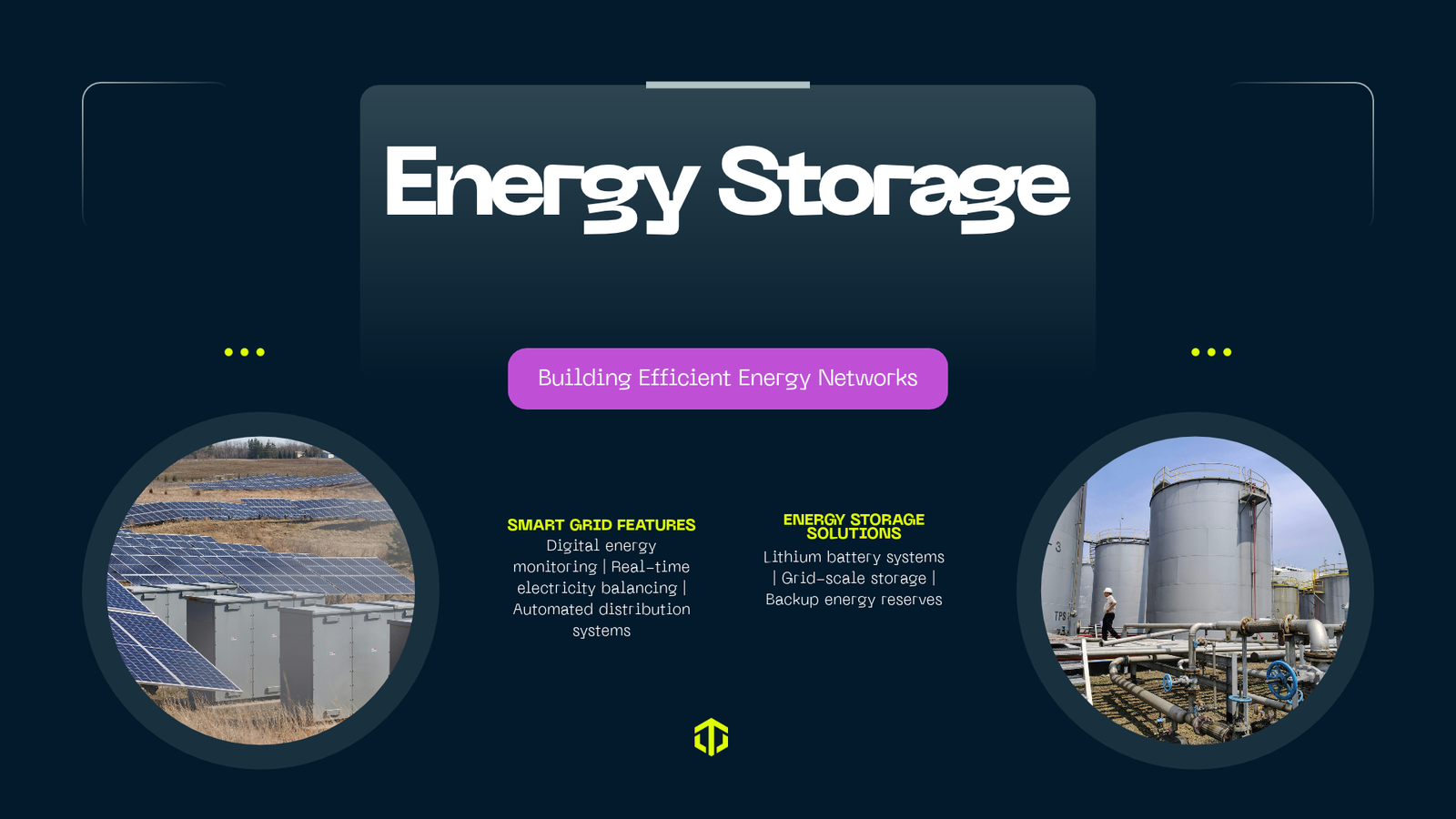
One of the biggest challenges facing renewable energy is its variable nature. Solar panels produce electricity during daylight hours, while wind turbines depend on weather conditions. Energy storage systems help balance electricity supply and demand.
Battery storage has therefore become an increasingly important business opportunity. Companies are developing large-scale battery installations, residential storage systems and advanced solutions that can store excess renewable electricity for later use.
Smart grids and modern energy management systems also play an important role. They help electricity providers monitor demand, improve distribution and integrate renewable sources into existing networks.
Businesses working in battery manufacturing, grid modernization, energy software and storage infrastructure could benefit as renewable electricity becomes a larger part of global energy systems.
6. Global Investment, Government Policies and Business Opportunities
The renewable energy boom is attracting investment from governments, private companies, financial institutions and international organizations. Public incentives, clean energy targets and changing energy security priorities are encouraging the development of new projects.
Europe is investing in offshore wind, solar infrastructure and cross-border electricity networks. China remains a major force in renewable technology manufacturing, while the United States is developing large-scale clean energy projects. India, Brazil and several emerging economies are also expanding their renewable energy markets.
For investors, opportunities exist in renewable energy companies, infrastructure projects, battery storage, equipment manufacturing and sustainable energy services.
However, the market also carries financial and regulatory risks. Changes in government policies, interest rates, supply chains and electricity prices can affect project profitability. Businesses must therefore evaluate local regulations, financing conditions and long-term market demand before investing.
7. Challenges and the Future of the Renewable Energy Industry
Despite its impressive growth, the renewable energy industry still faces several challenges. High initial investment requirements, limited grid capacity, land availability and complicated approval procedures can slow down new projects.
Supply chain dependence is another important issue. Solar panels, wind turbines, batteries and other technologies require specialized materials and manufacturing capabilities. Global competition and changing trade policies can influence production costs and availability.
At the same time, technological innovation is creating new possibilities. More efficient solar cells, advanced batteries, floating offshore wind farms and improved electricity networks could make renewable energy more affordable and accessible.
In the coming years, successful companies will likely be those that combine technological development with efficient project management, reliable infrastructure and sustainable business strategies. The renewable energy market is expected to become increasingly competitive as countries work toward cleaner and more secure energy systems.
Conclusion: Renewable Energy as a Global Business Opportunity
The renewable energy revolution is changing the global business landscape. Solar power, wind energy, green hydrogen and battery storage are creating new markets while transforming traditional energy industries. This shift is opening opportunities for established companies, startups, investors and entrepreneurs across different parts of the world.
However, long-term success will depend on more than simply investing in clean technologies. Affordable production, reliable infrastructure, supportive policies and sustainable financial models will all play important roles in determining which businesses succeed.
Renewable energy is no longer just an environmental choice. It is becoming an important economic opportunity and a central part of the world's energy future. Companies that recognize this transformation and adapt to changing market demands could play a major role in building the next generation of global energy businesses.