

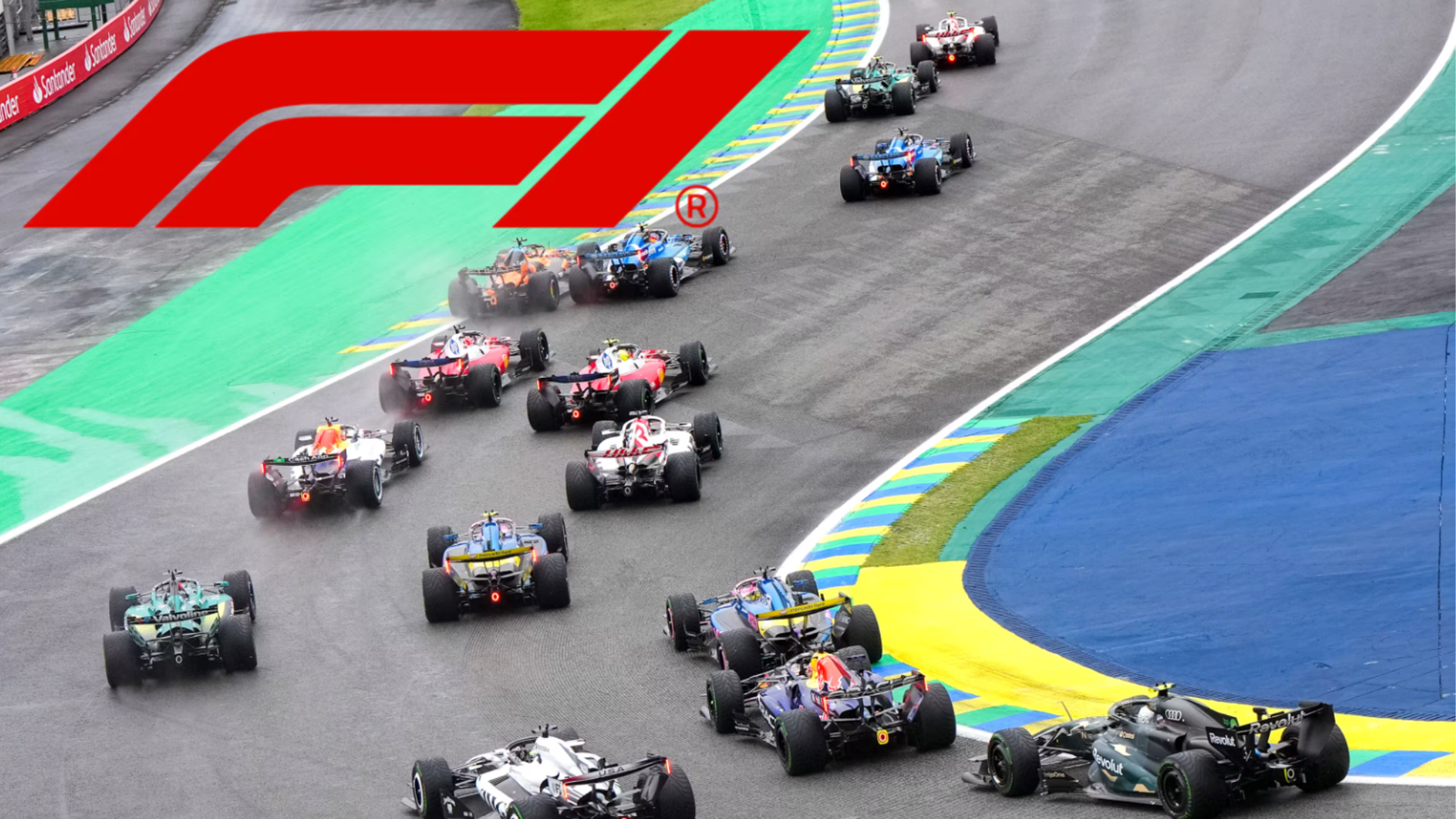
With its high-powered engines, wheel-to-wheel racing action and blistering speeds, Formula 1 is one of the most thrilling sports in the world. Each race is a collection of skilled drivers, cutting-edge technology, savvy racing decisions, and millions of die-hard fans. However, Formula 1 is about more than just being quick on your feet. There is a complex world of technology, teamwork, competition and innovation behind every Grand Prix.
Formula 1 has evolved into a worldwide sporting event over these years. Waste of effort and resources, development of faster and more efficient cars, pushing drivers to their physical and mental limits. Whether it's the glamorous streets of Monaco or the historic racetrack at Silverstone, F1 races continue to draw in new generations of fans.
To grasp the essence of Formula 1 is to delve into its drivers, teams, engineering, racing strategies, and technological advancements, all of which create the unique nature of each race.
1. What is Formula 1 and How did it Start?
F1, also referred to as Formula 1, is the top ranking of international single seater motor racing. It started in 1950 as an official World Championship, the first race was at Silverstone, United Kingdom. Since then, the sport has become one of the most well known motorsport events in the world.
The name Formula 1 refers to the technical and sporting rules which all the teams competing have to adhere to. These rules govern many things related to car design, performance, safety and competition. The "1" indicates the top level of international racing formula.
There have been significant design changes, engine upgrades, racing formats and safety improvements in the history of Formula 1. It has been shaped by legendary drivers, iconic teams, and a rich tradition, making it a testament to sporting excellence and technological advancements.
2. The Drivers and Teams Behind the Competition
While Formula 1 is a sport that is often associated with the driver, it is a team sport at heart. Each team is composed of drivers, engineers, mechanics, strategists and technical specialists that collaborate all season.
Drivers use incredibly powerful cars for a high speed, and have very short reaction times in stressful situations. They must possess very good concentration, physical stamina, reaction times and knowledge of their cars in various racing conditions.
MotorSport teams like Ferrari, Mercedes, McLaren and Red Bull Racing have now become well-known worldwide. Every organisation has their own car and have their own specialist engineers, and they make plans to beat their competitors.
Driver/team dynamics are especially crucial. During races, engineers pass on information, while strategists break down opponents and mechanics get the cars ready. The slightest error in communication or timing can impact the outcome.
3. This Course Examines the Technology and Engineering of Formula 1 Cars
The one of the most interesting features of F1 is the technology of the F1 racing cars. All components are engineered to enhance performance, minimize excess weight and deliver the highest level of control at hyper-speed.
In car development, aerodynamics is an important factor. The front wings, rear wings and superbly designed bodywork create downforce, the car is pushed down to the track and cornering is gripped. Engineers constantly study airflow to find ways of making their cars faster and more stable.
Carbon fibre is commonly used due to its lightweight properties, and provides strength without excess weight. There are also advanced suspension systems, braking systems, electronics and sophisticated gearboxes to enhance performance.
A lengthy computer simulation process, followed by wind-tunnel testing and analysis of detailed data, is used during the development process. Any increase in the aerodynamics efficiency or vehicle balance will be significant on race day.
4. Engines, Hybrid Technology and the Future of Performance
One of the key components of a Formula 1 car is the power unit. The use of modern F1 technology is getting an F1 engine to work with an electric energy system, providing high performance with high energy efficiency.
With the advent of hybrid power units, the sport got a major boost with the ability to regenerate power during competition. Energy recovery systems recover energy, especially when braking, and provide energy for supporting acceleration and performance.
Another key development in this respect is the 2026 technical regulations. They bring a new level of electrical input to the power unit and the application of cutting-edge sustainable fuels, showcasing the evolution of Formula 1 towards efficiency and innovation.
The advances are not only important in the world of motorsports. The study of energy recovery, lightweight engineering, materials and efficient power systems can help to extend automotive technologies. Formula 1 is, therefore, a valuable proving ground of engineering concepts that could have a bearing on the future of transportation.
5. Race Weekend, Qualifying and Pit Stop Strategies
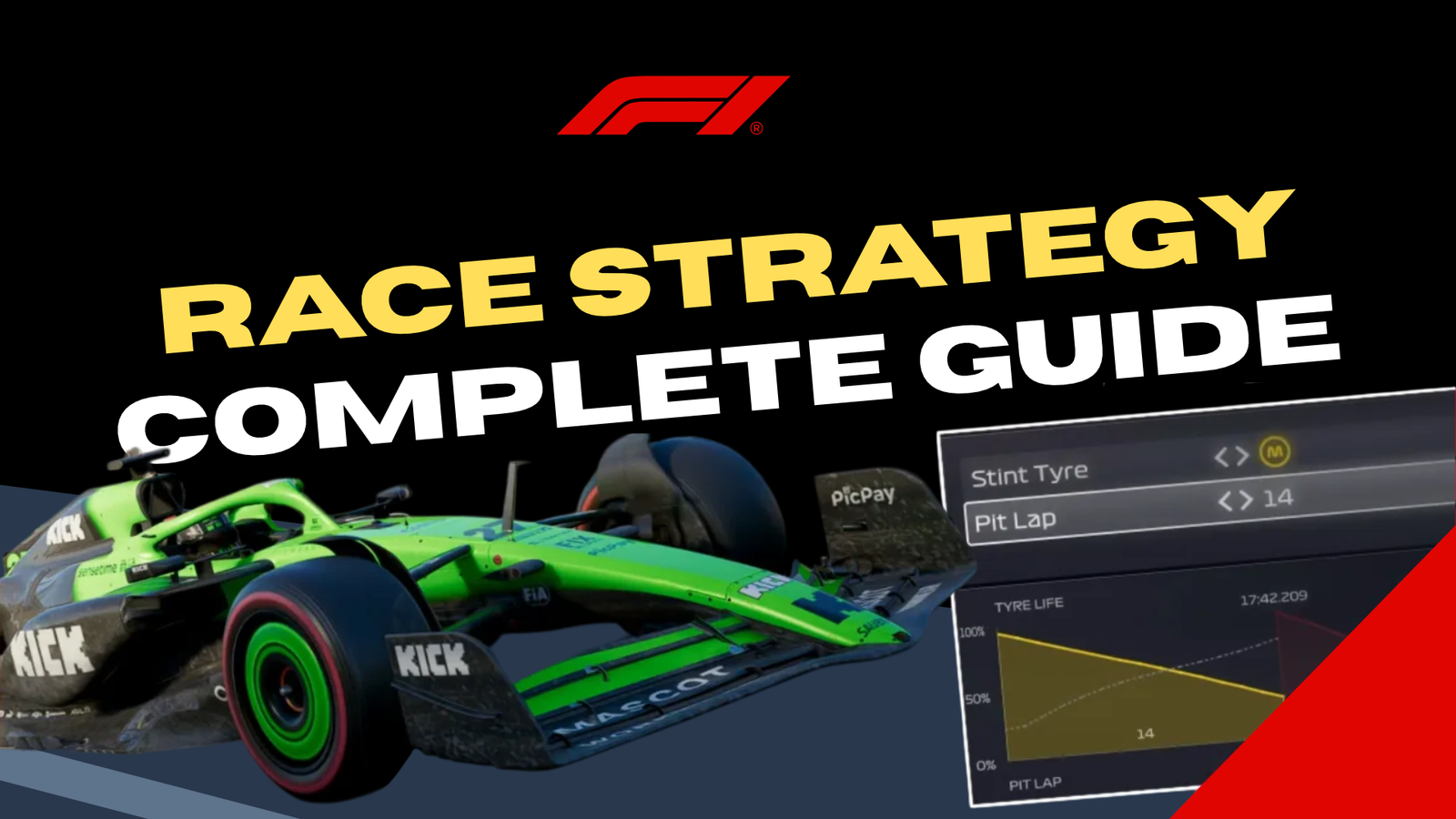
A Formula 1 Grand Prix weekend consists of multiple sessions, all of which have a significant impact on the race's outcome. Practice sessions are to get teams to understand the circuit, to test car set-up and assess tyre performance before the main race.
The participating countries are determined by qualification. The goal of the game for drivers is to drive the lap time and to get the best position on the grid. It can give a big advantage to start close to the front, but the race plan and unforeseen circumstances can make a huge difference.
Another one of the key elements of Formula 1 is pit stops. In a race, the pit lane is used by a driver to change their tyres or to deal with a technical issue. The tyre changes have to be done at lightning speed and perfection by a professional pit crew.
It is also critical to choose the right tyres for the right time. Tyres come in various compounds, providing varying levels of grip and durability. Teams have to determine when to switch tires, which compound to use and whether a different approach might allow them to move-up to a different position.
The weather, safety cars and unforeseen events can also impact on decisions. When it comes to race strategy, planning is the key, and being quick to adjust to changing circumstances is equally crucial.
6.Popular F1 Tracks and World Racing Experience
Formula 1 is a global championship, with racing taking place on tracks around the world. Each race weekend is unique, due to the different atmosphere, track design and challenges at each of the Grand Prix destinations.
Monaco Grand Prix is known for its tight corners, narrow streets and glamorous surroundings. Both Silverstone and Monza are steeped in the history of Formula 1, with Silverstone being a close friend and Monza an Italian circuit renowned for its high-speed corners and fervent motorsport fans.
Other notable venues are Spa-Francorchamps in Belgium, Suzuka in Japan, Singapore's night race, and the new Middle East motor circuits. These are the sites that illustrate the sport, international travel, tourism and local culture of Formula 1.
The nature of the circuit can significantly affect the racing. There are certain tracks that require speed and stability and others that call for braking precision, traction and cornering all while being quick. Drivers and engineers have to different their strategy to each new environment.
The sport's global presence has also fostered its huge global following, people united by their love for racing.
7. The Past, Present and Future of Formula 1
One of the main concerns in Formula 1 has become safety. The history of motorsport was filled with danger but by continually improving car construction, protective wear and circuit layout, modern racing has undergone a sea change.
Driver protection has been enhanced through the introduction of improved survival cells, crash structures and advanced helmets and the Halo cockpit protection system. However, important roles in managing risks in racing are also played by medical support, safety cars and strict technical regulations.
Another key area for focus in the future is sustainability. Formula 1 is committed to minimizing the environmental impact of the sport by developing cutting-edge sustainable fuels, more effective power units, better logistics and broader operational adjustments. The initiatives underscore the increasing significance of environmental sustainability in global sports.
Technology will continue to shape the future of Formula 1. Better engines, new materials, more sophisticated simulation systems and new aerodynamic ideas will continue to be key components of the competition. Meanwhile, the sport needs to find a balance between the technological advances and a thrilling race and meaningful competition.
The “excitingness” that makes Formula 1 so special must be maintained in the future, along with the new engineering challenges and changing fan expectations.
Conclusion: Why Formula 1 Is More Than Just a Racing Sport
Formula 1 is a blend of speed, technology and human performance and team work. Each of the Grand Prixs has a story to tell - influenced by driver skill, design, team strategy and other unplanned elements on the road.
The role of competition and innovation is what makes this sport so interesting. There are always small things to improve on that can provide a big performance benefit, and under pressure, drivers show outstanding talent and determination.
Whether it's from its humble origins in 1950 or the era of hybrid technology and cutting-edge engineering, Formula 1 has always been a fiercely competitive sport. It has had a profound impact on race car design, as well as in automotive technology, and even in international entertainment and global sporting culture.
After all, Formula 1 isn't just about the quickest driver. It's a matter of blending human beings, machines and ideas for maximum performance. With the advent of new technologies and new age groups of fans taking to the sport, Formula 1 promises to be one of the thrilling and influential series in the future.