

Cancer research is changing the cancer detection, understanding and treatment landscape globally. Scientists are finding ways to target cancer cells with immunity, precision medicine, new diagnostic tools and personalized treatment approaches while sparing the healthy tissue. They are opening up new avenues for patients and hope for better, less invasive treatments. The future of cancer care is a future that is becoming earlier, more personalised and a better quality of life.
01 / The Global Progress of Cancer Research
The study of cancer is one of the most salient fields in contemporary medicine. Researchers, universities, hospitals, and pharmaceutical firms around the globe are dedicated to discovering the causes of cancer, its spread and how it reacts to various therapies. The progress in molecular biology, genetics and in medical technology has assisted the researchers to be more precise in cancer type identification and to develop more targeted approach to treatment. Through international cooperation and clinical research, new advances are rapidly being made that may help to advance cancer care in the future and increase survival.
02 / Immunotherapy: Using the Body's Own Defense System
Immunotherapy is emerging as a new way of cancer treatment that allows the body's immune system to identify and attack cancer cells. Some immunotherapies boost or redirect the immune cells to better recognize cancer, while others new to the treatment field directly target tumors. Some cancer treatments like checkpoint inhibitors and CAR T-cell therapy have proven to be useful for some cancer types. Scientists are now investigating how to use immunotherapy for other cancers, minimize the side effects, and enhance long-term treatment results.
03 / The Project is to be Extended to 500 Patients, Mainly Older Adults
Precision medicine targets cancer based on the unique genetic and molecular profile of each cancer patient's individual tumor. Doctors can use genetic testing and tumour analysis to detect mutations or biomarkers that could be sensitive to specific treatments. This can help prevent treatments that may be ineffective, and identify more appropriate treatments for the patient. As genetics research progresses, customised cancer care is likely to be an increasing focus in the field of oncology.
04 / Early Detection and Advanced Cancer Diagnostics
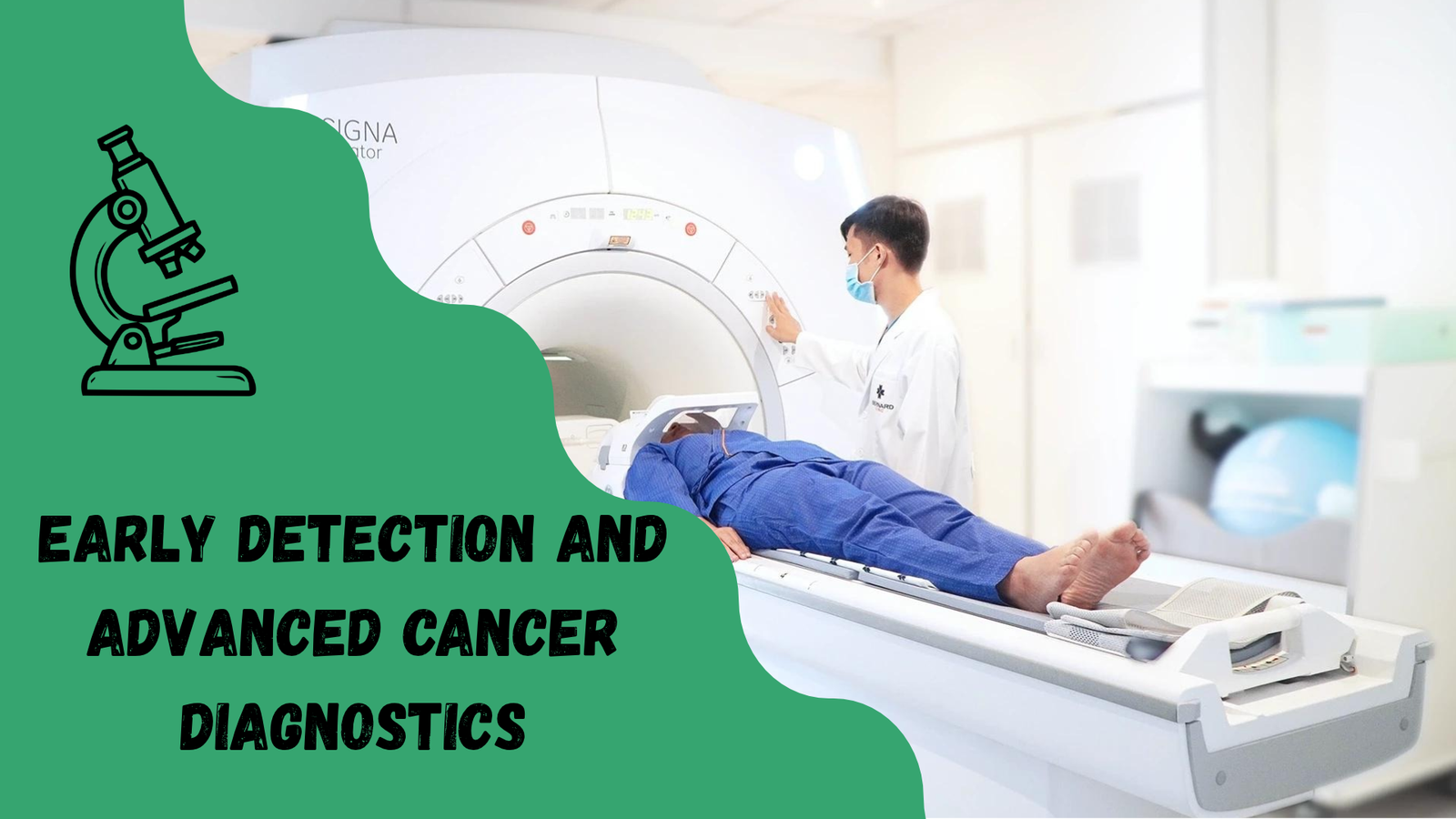
Early detection can greatly improve the outcome from cancer treatment. More precise imaging methods, molecular tests, tests of the liquid in the body, and blood-based screening tests are being developed that could identify the signs of cancer in advance of symptoms. One area of research that is currently under investigation for liquid biopsies is the ability to diagnose cancer, monitor treatment response, or to detect signs of cancer recurrence through blood-based analysis of tumour DNA fragments. The technologies could potentially improve the way cancer is diagnosed in the future, with the goal of making it more rapid, less invasive, and more precise.
05 / The role of AI, Robotics and New Medical Technologies
Cancer diagnosis and treatment are now taking advantage of new opportunities made possible by modern technology. AI can aid doctors in analyzing medical images, finding patterns in pathology samples, and guiding clinical decision making. Robotic surgery permits a surgeon to execute some of the surgery with more accuracy and control. Medical teams are also gaining a deeper understanding of tumors with the help of advanced imaging, digital pathology and data-driven research. These technologies are working together to enhance efficiency, assist in personalized care and inform future cancer treatment.
06 / New Cancer Drugs, Clinical Trials, and Future Therapies
New medicines are being developed for cancer treatment, and are a key focus of medical research around the world. Targeted drugs, antibody-based treatments, cancer vaccines, combination therapies and novel methods that aim to beat resistance to treatment are being studied. Before such therapies become commonplace, they need to be tested to see if they are safe and effective, and clinical trials are the way to do this. Treatment options that are developed in the future may involve multiple types of treatment to target cancer more effectively, help prevent cancer from coming back, and offer treatment to someone who's not responding to current treatment.
07 / The Future of Cancer Care: Challenges, Hope, and Accessibility
While cancer research is making tremendous strides, there are still significant challenges. Patients worldwide continue to be impacted by treatment costs, unequal access to health care, late diagnoses, drug resistance, and medical resources. Making innovative cancer treatments available to more people will also be crucial to the future of cancer care, not just the scientific advances. More research, prevention, screening, patient support, and international collaboration may lead to a cancer-free future where it is diagnosed at an earlier stage, treated more effectively, and lived with less long term chronic effects.
Conclusion
Immunotherapy, precision medicine, early detection, advanced technology, and innovative drug development are driving the cancer research that's creating a promising new era. Although cancer is still a serious disease, researchers are constantly making new progresses in finding new ways of fighting it and understanding various cancers. The ultimate goal is not only the prolongation of life but also the improvement of patients' quality of life. As research progresses, collaboration grows, and healthcare becomes more accessible, the future of cancer treatment can be more personalized, effective, and promising than ever.