

Water is a vital resource on Earth. It is beneficial for human health, agriculture, industries, ecosystems and economic development. But pollution is huge and is stressing the world's fresh water and marine resources. Industrial pollution, agricultural chemicals, plastics, untreated sewage, and other pollutants are polluting rivers, lakes, oceans and the groundwater.
Water pollution is no longer a country or regional specific issue. It is now a global environmental issue that impacts millions of people, poses risk to biodiversity and will impact future generations. The protection of clean water is becoming more and more important due to the expansion of the population and industrialization. Enlightening people about the causes, effects, and solutions to water pollution is the first step towards creating a healthier and more sustainable planet.
1. What is Water Pollution?
Water pollution is the introduction of harmful substances into lakes, rivers, oceans, groundwater and other water sources that make the water unusable to animals, people, and plants. These contaminants can include chemicals, plastics, sewage, oil, heavy metals, bacteria and agricultural waste. Some pollutants can be seen, some are microscopic and some are dissolved in water that cannot be seen unless they are tested.
The pollution of water can be classified into a number of broad categories. Chemical pollution includes chemicals like pesticides, fertilizers and industrial chemicals. Bacteria, viruses and other harmful microorganisms cause biological pollution. Plastic pollution consists of plastic debris from various sizes and sources, including micro-plastics, and nutrient pollution is the result of overloading water bodies with nitrogen and phosphorous. Both types causes different environmental and health issues.
The issue is especially grave due to the pollutants being carried by rivers, ground water systems and ocean currents, spreading the contamination a great distance from its point of origin. It thus transforms water pollution from a purely local environmental issue to a shared international responsibility.
2. Water Pollution: the main causes
Pollution of water is mostly caused by human activities where waste produced by humans is released into water bodies without adequate treatment or management. One of the major contributors is industrial discharge, in which plants can dump chemicals, heavy metals, oils, and other poisonous products into the local rivers and lakes. These materials can persist in the environment for extended periods, if not treated properly.
Agriculture is another significant source. Rainfall and runoff from irrigation can wash animal wastes, fertilizers, pesticides and herbicides into local waterways. Too much nutrient can lead to undesirable algae growth, low oxygen, and can affect aquatic life.
A rise in urbanization and population growth also leads to more domestic wastewater, sewage, detergents and household chemicals entering water systems. In areas without adequate sanitation infrastructure, untreated sewage may flow directly into rivers and lakes. Mining, oil spill, construction waste and household garbage disposal cause more pollution pressure.
These activities illustrate the progressive degradation of water resources over time as a result of industrial growth, contemporary lifestyle and an unsustainable management of water resources.
3. Impact of Water pollution on human health
The impact of water pollution on human health is one of the most serious of the effects. Harmful bacteria, viruses, parasites and toxic chemicals that cause illnesses may be present in contaminated drinking water. Public health problems like cholera, dysentry and other diarrheal infections are very closely linked to unsafe water and poor sanitation.
Exposing people to chemicals can cause further long term health concerns. Some chemicals (lead, mercury, arsenic, etc.) can affect the nervous system, kidneys, liver and other organs when exposed to these substances. The intensity of these impacts varies in accordance to the properties of the pollutant, its level of exposure, and the length of exposure.
Children, older people and communities with limited access to safe drinking water are especially susceptible. Water pollution may also impact food safety if water is contaminated and used for food production, irrigation and fishing.
Improved sanitation and better water and wastewater management are necessary: 44% of all wastewater generated is untreated in households.
4. Effect on Marine Life and Ecosystems
Water pollution severely affects water-based habitats and wildlife. Thousands of species live in rivers, lakes, wetlands and oceans, but rising contamination is threatening their lives. Marine animals can become trapped in plastic waste, harm their habitats, and mistake plastic waste for food by fish, turtles, seabirds and other animals.
Chemical contaminants may bioaccumulate and bioconcentrate in the aquatic food chain. Small organisms take in the contaminants, fish eat the small organisms and larger predators may eventually ingest more harmful contaminants.
Eutrophication is another significant environmental issue where too many nutrients are fed into water environments and algae grows too quickly. These algal blooms can cause a decrease in oxygen levels leading to problems for fish and other aquatic life.
Additional threats to coral reefs, coastal habitat, wetlands and freshwater ecosystems include oil spills, industrial pollution and untreated sewage. The strong link between land-based activities and ocean well-being is highlighted by UNEP estimates that some 80% of marine pollution comes from land.
5. The issue of plastic pollution and the ever increasing problem of microplastics
Plastic pollution is now one of the most visible environmental issues of water resources worldwide. Poor waste collection and disposal practices often result in plastic bags, bottles, packaging materials, fishing nets and other waste products being washed down the rivers and into the sea.
In time, bigger plastics degrade into smaller pieces, called microplastics, of less than five millimetres. These particles can be released to water systems from the decomposition of plastic waste, through washing of synthetic fabrics, tyre wear, as well as some personal care products.
Microplastics have been identified in freshwater and marine environments, raising concerns about the effects of microplastic contamination on aquatic life and potential human exposure to microplastics in food and beverage and via drinking water. The particles can be consumed by marine life, and larger pieces of plastic may cause injury, entanglement, and digestive distress in the animals.
These are critical measures to take to tackle this burgeoning issue, including reducing the use of single-use plastics, enhancing recycling facilities, and promoting the use of reusable items and preventing waste from entering the water.
6. International measures and national policies for reducing water pollution
Addressing water pollution needs collective efforts at government, industry, international and community levels. Upgrade wastewater treatment facilities is one of the most critical solutions. Sewage and industrial effluents should be treated appropriately before discharge in rivers, lakes and oceans.
The governments can enact more stringent environmental laws and ensure that the industries are controlled in terms of pollution and punish the industries that pollute the water bodies without the permission of the government. Controlled fertilization, decreased pesticide use and more efficient irrigation utilization are also good practices that will keep harmful chemicals from entering water systems.
International cooperation also plays an important role as rivers, lakes and oceans can transcend national boundaries. The United Nations Sustainable Development Goal 6 is dedicated to clean water, sanitation, improved water quality and sustainable water management.
NbS are also great opportunities. Pollutants can be filtered and water quality improved through the restoration and protection of wetlands, planting vegetation along waterways and maintaining natural ecosystems.
Environmental legislation, scientific studies, new infrastructure and cooperation between countries are essential for the long-term progress.
7. What can you do as an individual or community to prevent water pollution
While there are significant roles for governments and industries in minimizing water pollution, individuals and communities have also important roles to play. When millions of people are involved in responsible environmental behaviors, everyday habits can make a difference.
Reuseable shopping bags, water bottles and containers are ways people can cut down on plastic. Household waste, batteries, medicines, oils and cleaning chemicals can all contain harmful substances that can be prevented from entering drainage systems and waterways if they are disposed of properly.
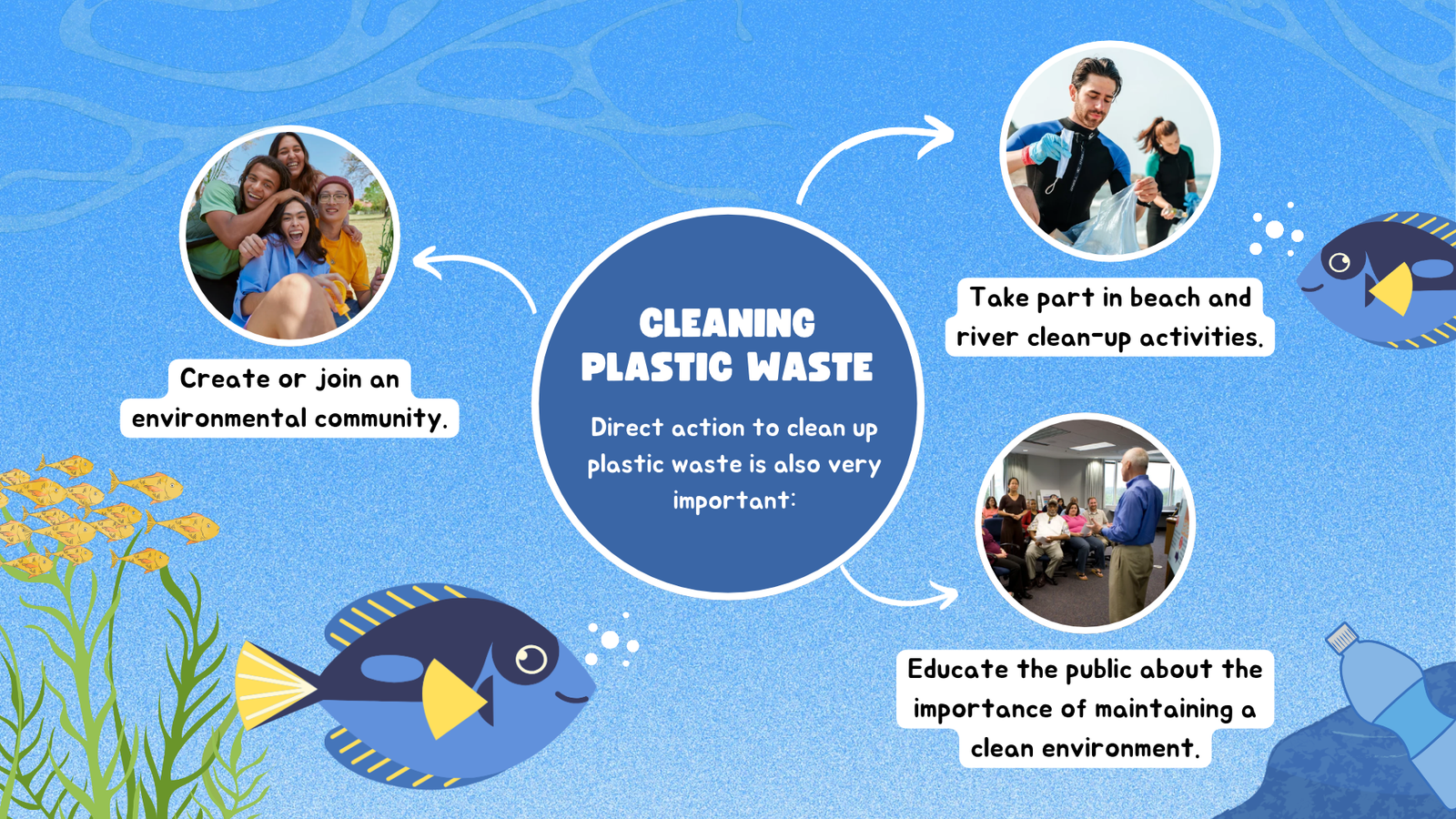
Communities can host riverbank and beach clean-up events, spread the word about environmental education and water stewardship. The schools, local groups and companies may also join awareness programmes to educate about the value of clean water and sustainable waste disposal.
Other ways to contribute are by supporting businesses that are environmentally responsible, by helping to use fewer unnecessary chemicals or by reporting illegal dumping. Individual actions can express just a little bit, but when everyone is involved, it can make a difference in maintaining local water sources and fostering environmental transformation.
Conclusion
Water pollution is one of the most pressing environmental issues of today's day and age. Human activities like industrial waste, agricultural chemicals, plastic waste and untreated sewage continue to pose risks to the quality of water resources. It impacts not only on the environment but also on the health of people, food security, biodiversity and economic development.
But, water pollution is not inevitable. Improved water quality can be achieved through strong environmental regulations, advanced wastewater treatment, sustainable agricultural practices, reduced plastic consumption and international cooperation. Rivers, Lakes and Oceans need protection from all governments, businesses and individuals.