

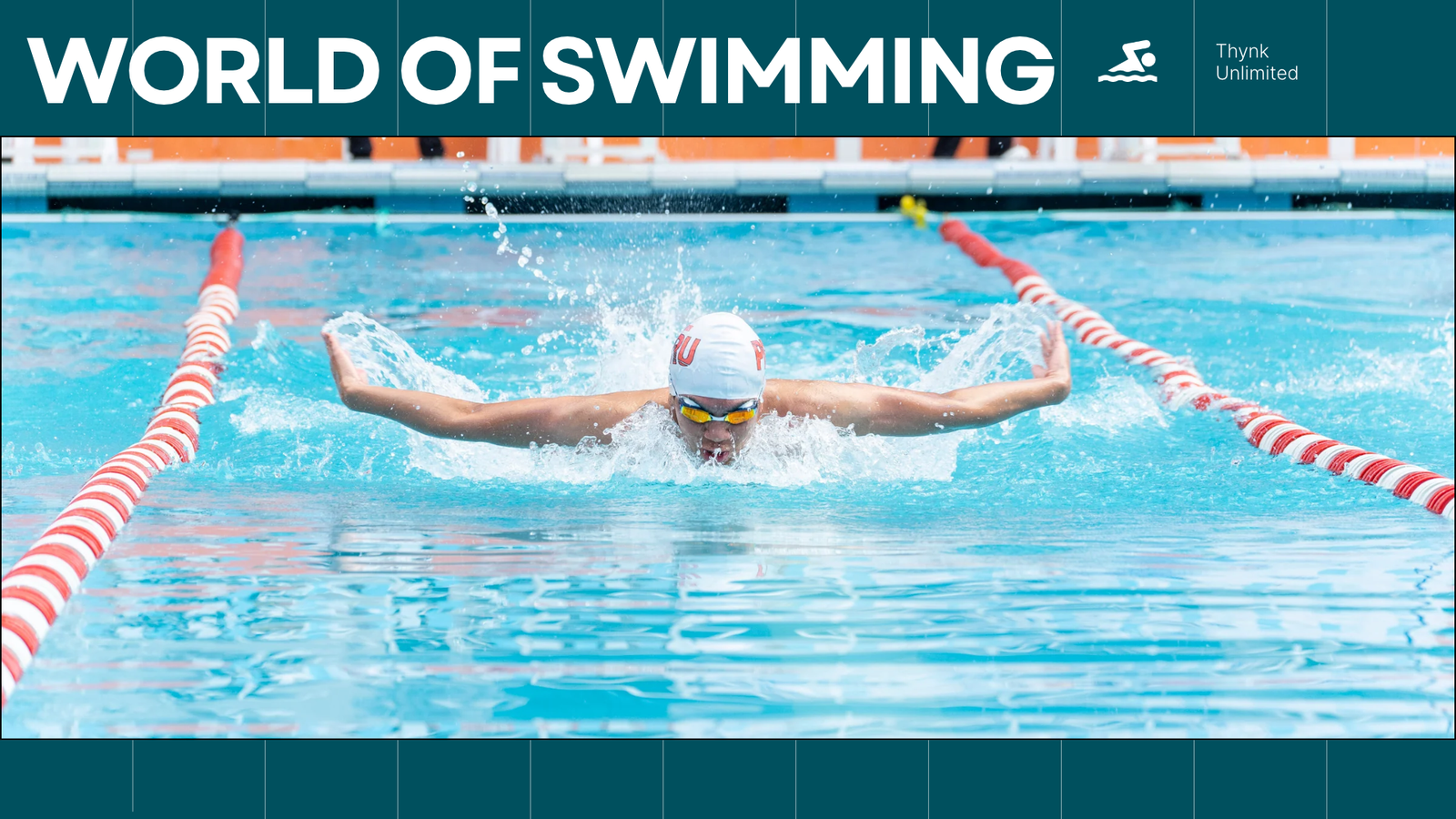
Swimming is among the oldest and most popular sport in the world today. This sport has evolved into a worldwide phenomenon, from early human communities where swimming was a vital survival instinct to contemporary sports professionals striving for Olympic glory.This sport has grown into a worldwide craze, from the communities of old that relied on swimming for survival to the Olympians of today racing to earn their spot on the international podium. Swimming is now a very significant life skill, as well as being a competitive sport, a fitness activity and a pastime for millions of people.
The technique, training methods and technological improvements have been developed through the centuries for swimming. Through various international events including the Olympic Games and World Aquatics Championships, it has become one of the most popular aquatic sports. Swimming remains an activity that brings people together, both professionally and recreationally, across nations and cultures.
1. The History and Evolution of Swimming
The history of swimming dates back thousands of years. Evidence in early paintings and historical records indicates that individuals in early civilization (in Egypt, Greece, and Rome) knew how to swim. In those societies, it was regarded as an important skill required for the survival of the individuals and for military training and everyday activities.
Swimming was slowly organized into the competitive sport, especially in Europe, in the 19th century. The popularity of swimming clubs and competitions grew, standardized rules ensured fairer and more professional races. The first modern Olympic Games were held in Athens, Greece, in 1896, and swimming became a part of the program at that time. The sport has continued to gain popularity since then, drawing participants and spectators to it from all over the world.
2. Hives of Swimming Styles and Techniques
There are a number of techniques in swimming that involve different patterns of body position, breathing and co-ordination. There are four competitive swimming strokes: freestyle, backstroke, breaststroke and butterfly. Freestyle is the quickest of all the strokes and most stroke is competed in freestyle. It is a combination of alternating arm motion and continuous flutter kick, with swimmers turning their head to breathe.
Backstroke is done in your back position with alternating arms and flutter kicks. In breast stroke, arm strokes are done simultaneously, and the leg kick is similar to a frog kick, whereas in butterfly, both arms must stroke together and the dolphin kick is powerful. A different technique requires certain training and physical control. By learning these styles, athletes can enhance their swimming skills and participate in various events.
3. The Rules of the Game: What Skills and Rules Do Children Need to Swim?
Professional swimmers have seen a revolution in the training and competition process with the use of technology. Modern swimming pools are equipped with features that minimize water movement in the pool while advanced timing systems account for race results with remarkable accuracy. Coaches can use underwater cameras and motion analysis systems to closely examine body position, strokes and turns.
The use of specialized fabrics to enhance the comfort and water repellency has also transformed the look of swimwear. Fitness trackers and wearables can be used to track distance, speed, heart rate and training effectiveness when swimming. Meanwhile, nutrition science, recovery and biomechanics have enhanced the preparation of the professional. Such advancements enable athletes to enhance their performance while keeping a keen focus on technique and fitness.
4. Olympic History: The Story of the Modern Olympics
Numerous swimmers throughout the history of swimming have excelled and contributed to the growth of swimming around the world. Michael Phelps is one of the best swimmers of all time. He set new standards of excellence in competitive swimming with his incredible career of 23 Olympic medals, which included 13 gold.
There are other famous swimmers who have contributed as well. Katie Ledecky is now known for her success in long distance freestyle, whereas Australian swimmer Ian Thorpe was popularised for his prowess in freestyle. The modern champions are still breaking the limits of performance through discipline, advanced training and incredible determination. Millions of young swimmers around the world are inspired by their achievements.
5. Health and Fitness Importance of Swimming
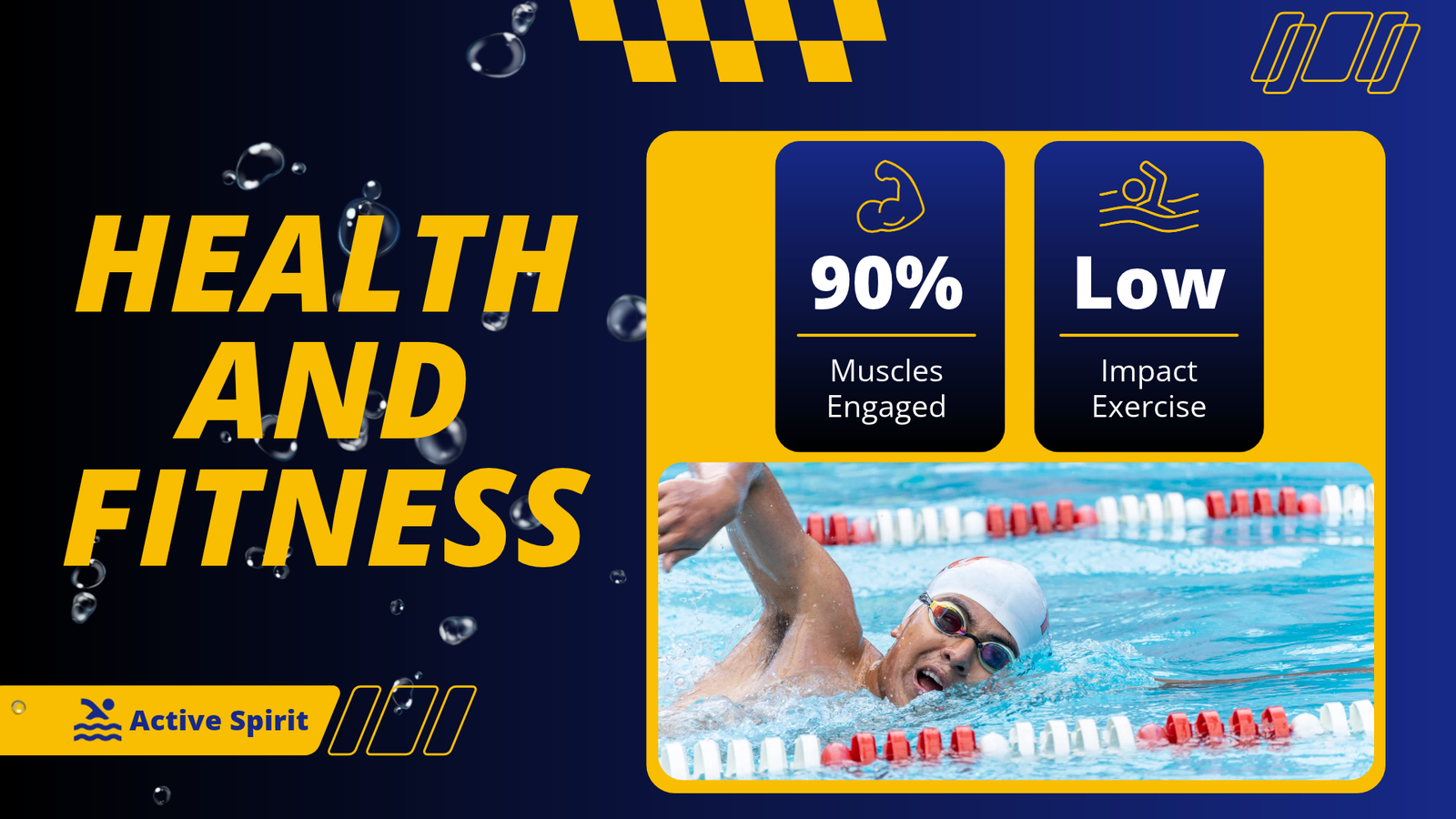
Swimming is certainly considered as a whole body exercise as it involves multiple muscle groups. It will work on strengthening the arms, shoulders, back, legs and core and enhancing cardiovascular endurance. Swimming is a favourite sport because of the way that it takes a lot of the weight of the body off, unlike many sports that are conducted on land, which causes a lot of pressure on the joints, and can therefore be appropriate for people of various ages and fitness levels.
Frequent swimming can also help to increase flexibility, coordination and fitness levels. People are attracted to swimming as a way of exercise as it is a relaxing activity at the same time. It can also be used to help manage stress and overall health. The advantages are dependent on person fitness, correct technique, and constant exercise.
6. Finals of the Biggest Swimming Competitions in the World
Swimming is one of the most well-known sports in the world due to the important role of international competitions. For many competitive swimmers, the Olympics are the ultimate event, where the best swimmers from across the globe converge every four years. Olympic swimming consists of various individual swimming events, relay and various distances for the four swimming strokes.
The other major international competition is the World Aquatics Championships, which also includes other aquatic sports. Athletes also have the opportunity to prove their abilities in continental championships, national competitions, and professional competitions in swimming. The tournaments promote international participation, foster sporting competition and inspire the younger generations to get involved in swimming.
7. How to Make Swimming More Popular in the World
The world of swimming is linked to the world of fitness and water safety and sport education are all growing in popularity. Swimming is becoming more popular for children and adults to be taught as a recreational pastime and life skill, with more schools, sports organisations and community programs encouraging children to become swimmers. This increase in awareness is aiding the sport's introduction to the next generation.
The development of sports science, training equipment and competition facilities will also be an expected benefit for competitive swimming. Improved international participation and increased coverage may help to reach new audiences. Meanwhile, sustainability issues are gaining importance, especially in the planning and operation of swimming facilities.Meanwhile, environmental sustainability is gaining importance, particularly in the design and management of swimming facilities. In the future, responsible water use and energy efficient pool development may be a major factor in the development of aquatic sports.
Conclusion: Swimming as a Sport That Connects the World
Swimming has evolved from a primitive means of survival into one of the most esteemed and popular sports in the world today. Its combination of physical fitness, technical ability, discipline and international competition makes it unique among athletic activities. From local swimming pools to the Olympic stage, it offers opportunities for people of different ages and backgrounds to participate and achieve their goals.
As technology advances and global interest continues to grow, swimming will remain an important part of international sports culture. Its influence goes beyond medals and records, promoting healthy lifestyles, water safety, personal development and international sporting connections. Ultimately, swimming is more than just a competition in the water; it is a sport that brings the world together.