Smart technology, sustainable building, shifting lifestyles and new living and working habits are all impacting the future of real estate.
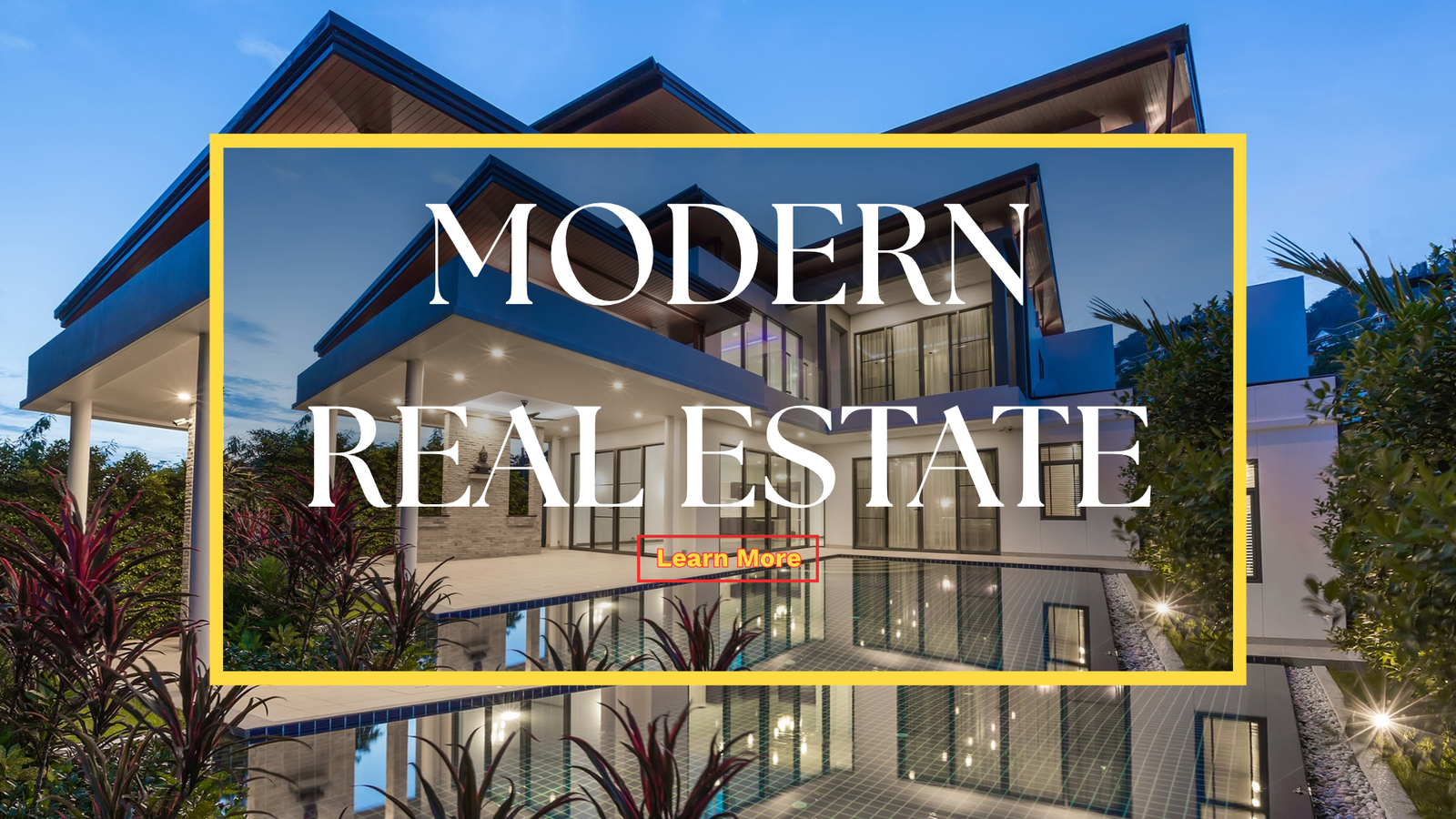
Technology, sustainability and contemporary living have transformed the nature of real estate, fundamentally changing the design, construction, purchase and operation of homes. The industry is shifting toward a more connected, intelligent, and sustainable future, from smart homes to digital property platforms, energy-efficient buildings to sustainable urban development. Today's real estate is not only about the location and the value, but about constructing spaces that provide comfort, efficiency, innovation, and lasting sustainability.
01 / Real Estate's Digital Transformation
Digital technology has transformed the way people search, buy, rent and administer their property. Today, buyers and investors can use data-centered apps, virtual tours, digital documentation and online property platforms to make decisions faster than ever before. Property searches can now be done from anywhere, helping to cut down the need for walking through properties during the initial stages of the property buying process.
Digital platforms are also making the real estate market more transparent by providing access to property listings, market comparisons, pricing information, and neighborhood details. With the ever-evolving nature of technology, digital experiences are becoming a crucial component of the property sector.
02 / Smart Homes and Connected Living
Smart homes are rising as one of the most significant features of the new real estate sector in the residence industry. Homeowners can use connected devices to operate lights, HVAC systems, security, appliances, and entertainment devices using their smartphones or voice commands.
The technologies enhance convenience, comfort and energy management and make homes more adaptable to the needs of their residents. Buyers today are looking for increasingly smart features like automated lighting systems, intelligent climate control, smart locks and security cameras.
The Smart Home concept has emerged as a crucial influence in the development of the future living space, in the buyer's wish list and in the value of the property.
03 / Sustainable Construction and Green Buildings
The concept of sustainability is transforming the building design, construction & operation methodology. Environmentally responsible materials, designs that use less energy, conservation of water, use of renewable energy, and green building standards are becoming more of a focus for developers.
Green buildings can be used to save energy, save operations costs, and enhance indoor environmental quality. Designs are increasingly incorporating features like solar panels, green roofs, natural ventilation, effective insulation, rainwater collection, and recycled building materials.
Sustainability is not just about the environment; it's about long-term investment. Buildings with reduced resource consumption could appeal to customers, residents and investors seeking reduced operating costs and long-term value.
04 / Experience virtual reality, augmented reality and digital property
VR and AR are changing the way people view homes and architect it. The virtual tour allows buyers to see and experience the apartments, houses, offices, and commercial properties before setting foot on the ground.
The tools are especially helpful for properties that are in the construction process. Customers can "see" room layouts, furniture placement, materials, lighting and interior designs before the construction of a building is finished.
Mobile AR can also enable users to virtually move furniture and design elements into real environments. Such technologies can help buyers grasp the potential of a property and enhance the real estate marketing experience.
05 / Urban Development and the Cities of Tomorrow
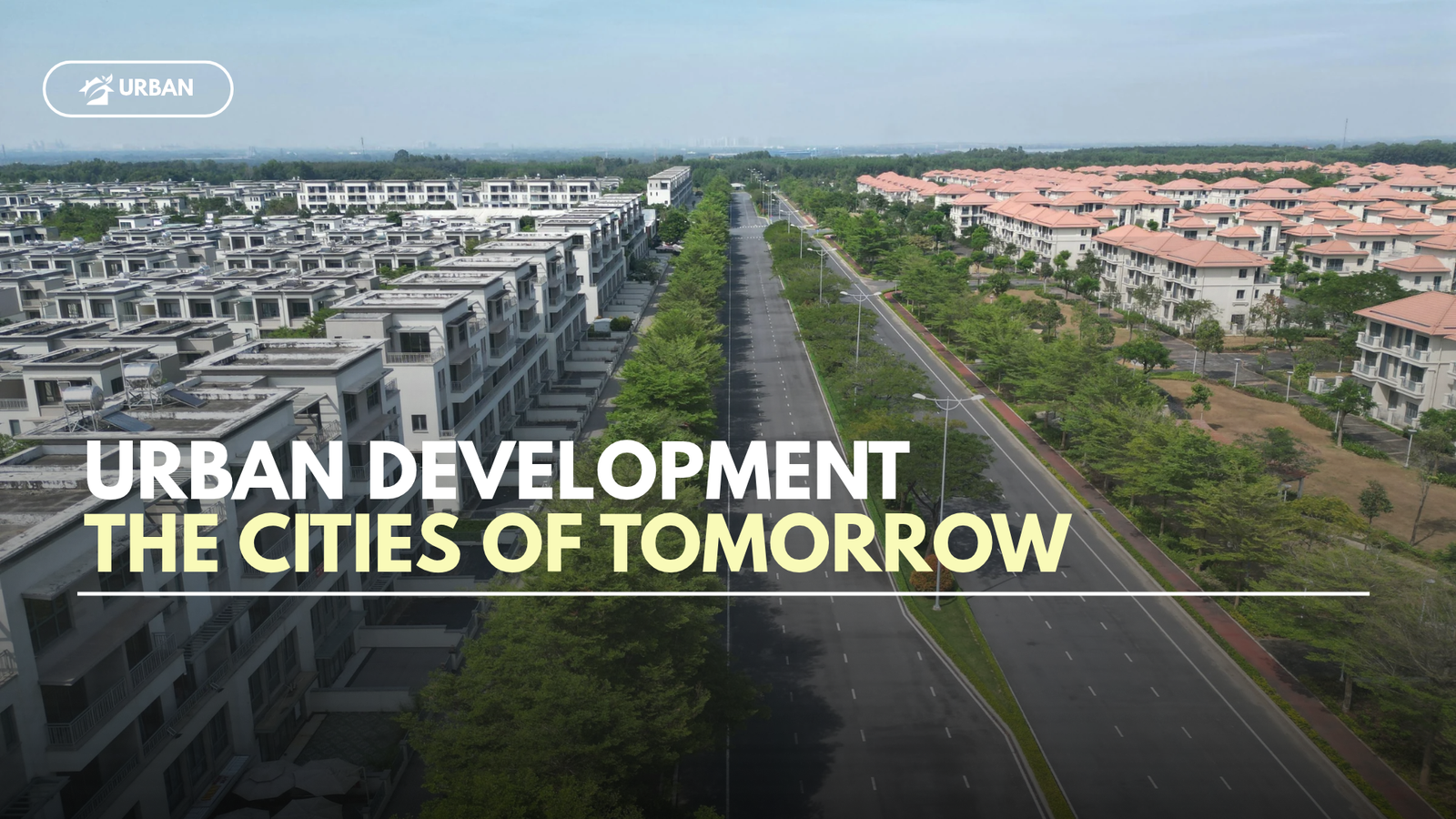
The development of today's real estate is becoming more and more associated with the city's development. Urban planners and developers are developing neighbourhoods with residential, office, shopping, public transport, recreational and green space elements, but with more accessible environments.
The urban concept of mixed use development is gaining traction as people desire to live, work, shop and relax in the same neighborhood. This can lessen reliance on cars, make life more convenient and build more active communities.
Smarter infrastructures, efficient public transport, walkable streets, renewable energy systems and effective use of urban space are also key concerns for future cities. The most important key to the development of these more connected and livable cities will be real estate.
06 / Investment Trends and the Changing Property Market
Real estate investment has undergone a transformation driven by technology, economy, and consumer expectations affecting property demand. Investors are seeking residential projects, commercial assets, logistics, rental housing, environmentally friendly building and new areas.
The availability of digital investment platforms and property analytics making market research easier. Investors can make better, more efficient decisions regarding rental demand, property values, neighborhood trends, return potential and risks.
Simultaneously, sustainability and technological infrastructure are increasingly being taken into account for the evaluation of property values. In a fast competitive market, buildings that are efficient in their energy systems, have state of the art connectivity, flexible spaces, and good environmental performance may have benefits.
07 / Innovation and Sustainability in Real Estate Today and Tomorrow
Innovation, sustainability, and human-centric design will be key drivers of real estate's future. The buildings are increasingly equipped with smart systems that will control energy consumption, enhance the security, minimise energy waste, and provide more comfortable living and working spaces.
The construction techniques are also undergoing changes, such as the use of prefabricated elements, efficient project management, the use of advanced building materials and modular construction, helping developers to speed up the construction process and reduce waste. The increased flexibility of work, lifestyle and the way people use buildings is making flexible spaces more significant.
The next generation of real estate will be about more than just buildings – it will be about creating adaptable, efficient, connected, and long-term value environments.
Conclusion
The landscape of real estate is in a constant state of evolution, and today, technology and sustainability are playing an increasingly vital role in the process of building and investing in real estate. Smart homes, digital property platforms, virtual experiences, green construction, and innovative urban planning, are transforming the industry and altering the expectations of buyers, tenants and investors from properties.
In an ever-changing landscape, the most successful real estate developments will likely be a mix of the latest technology and environmental responsibility, affordability, functionality and quality of life. It's not just about making great buildings, it's about making Great Places.