
Every day, billions of people use the internet to communicate, shop, work, study and manage their personal lives. Whether it's social media profiles, online banking, cloud storage, or digital transactions, personal information has become a crucial component of today's digital landscape. But, with the increasing use of the internet, it's harder than ever to keep this information secure.
Cyberattacks, data breaches, online tracking and identity theft are highlighting critical inquiries into the collection, storage and dissemination of personal information. Meanwhile, new technologies like encryption, biometric authentication and privacy-driven software are developing more effective methods of safeguarding digital identities.
Achieving the right balance between technology, digital convenience and individual security will be the key to the future of internet privacy. It is crucial to grasp these developments to create a safer and more trustworthy online environment.
1. How Internet Privacy has Become More Important
Security and privacy of the internet user information has become one of the most critical issues of the digital era. People create personal information in every instance that they use the Internet, browse websites, download applications, make online purchases, or use social media platforms. This information can cover web browsing history, geographic data, contact details, financial data, and personal preferences.
This data is used by companies to enhance their services and to tailor ads to the individual and to learn more about how customers behave. These practices can make digital life easier, but also raise issues about what kind of information people are happy to give away and who can have it.
With increasingly private activities going online, data privacy protection is not a luxury, but a necessity. Citizens demand openness, autonomy over their data and greater security from unauthorized use.People are demanding transparency, autonomy over their data and greater security from unauthorised use.
2. Explain the key issues with online privacy
While the Internet presents many opportunities, it also brings some risks on personal information. Security breaches are another worry as weak security systems can be exploited to gain access to sensitive data, which can then be used by cybercriminals. The information that is stolen can be used in id theft, financial fraud or other Internet-based crimes.
The other difficulty is that too much data is being gathered. There are lots of websites and applications that employ cookies, tracking technologies and analytics tools to track user activity. Individuals might not be aware what information is being gathered or for how long.
Private information can be exposed by public wi-fi networks, phishing and by use of malicious applications and passwords. In addition, with the proliferation of connected devices, personal data is created and shared in more platforms than ever.
The issues highlighted above illustrate how critical internet privacy continues to be for internet users, businesses and technology providers.
3. New Technologies Transforming Digital Security
Technology is contributing to the reinforcement of internet privacy. The modern encryption systems work by scrambling readable information into a secure format that is inaccessible to unauthorized parties. Certain private communications may be made possible using end-to-end encryption for only the intended participants to read.
There is also increased security provided through biometric authentication such as fingerprint and facial recognition. With password managers, you can also generate and remember strong, unique passwords for various online accounts.
Secure multi-party computation, zero-knowledge proofs and advanced data protection techniques are all new technologies that are being developed to enhance privacy. There are also technologies that could enable some digital activities to occur without needlessly sharing sensitive information.
These are all contributing to a new opportunity for safer communication, online transactions and digital services.
4. Artificial Intelligence, Data Tracking and Privacy Risks
With the help of artificial intelligence, digital platforms are collecting, analysing and utilising personal data in new ways.Artificial intelligence is transforming the way digital platforms gather, process, and leverage personal data. AI algorithms can handle vast amounts of data to identify patterns, suggest content and tailor user experiences.
These capabilities also bring significant privacy issues to the fore, though. Some tracking systems are advanced and could integrate data from multiple sources to provide a comprehensive profile of people. A few times, automated systems can make decisions using personal information without users being aware of the process used to make the decision.
There are also challenges of new types of cybersecurity threats, such as AI-generated scams and realistic impersonation and advanced phishing messages. With the development of deepfake technology, it is becoming harder and harder to tell the difference between real and fake digital content.
What lies ahead is responsible development of AI, transparency and data protection measures, and further robust safeguards to ensure that progress with technology is not at the cost of personal privacy.
5. The role of Governments and Data Protection laws
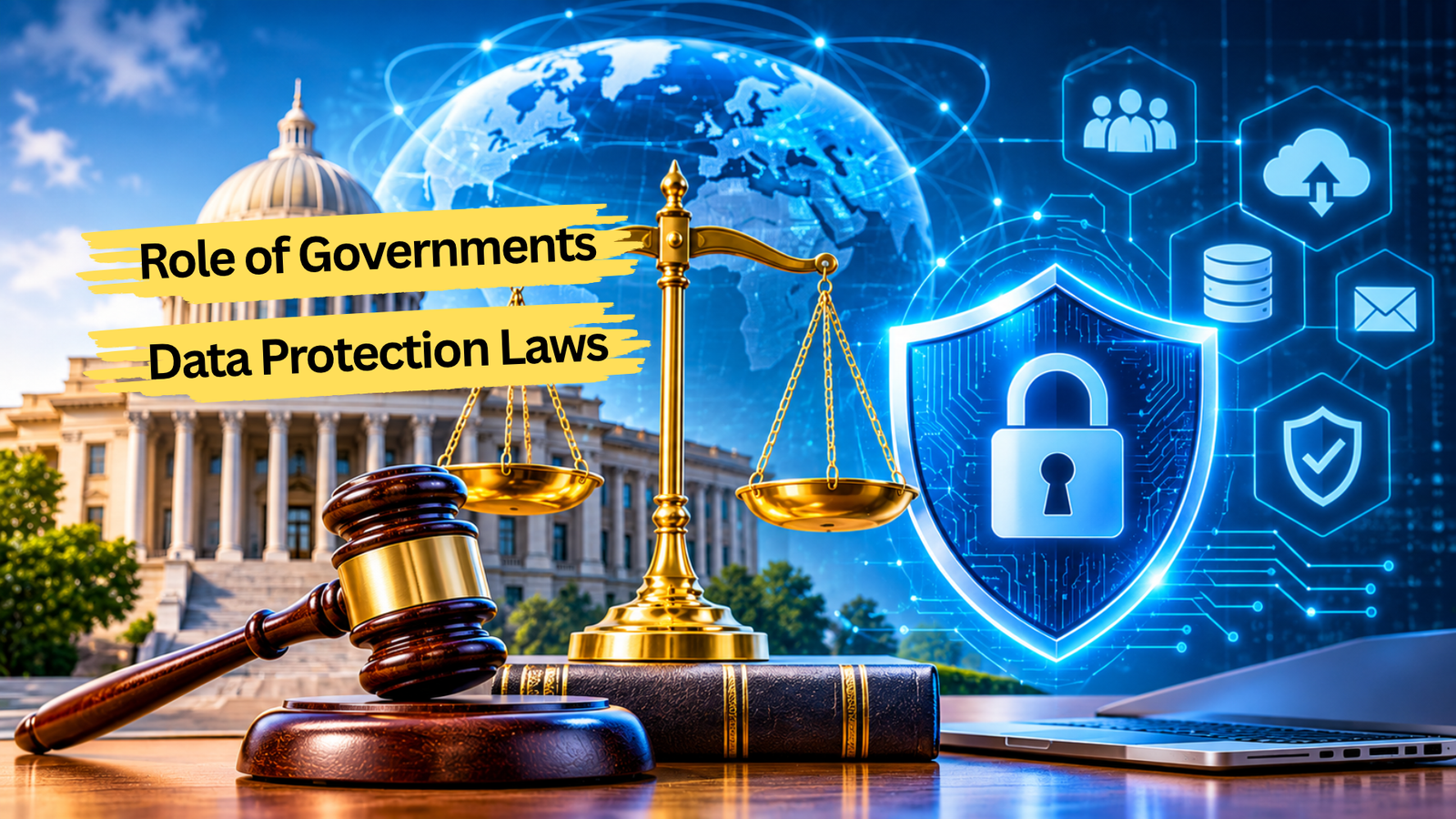
Governments globally are seeing a need for clear guidelines and robust protection for digital privacy. The EU's General Data Protection Regulation (GDPR), among other regulations, has laid down some key principles related to the collection of personal data, the consent of the data subject, transparency and the rights of the data subject.
There are also countries rolling out or enhancing their privacy and cybersecurity laws. The purpose of these regulations is to increase accountability with regard to information that is collected by organizations, and to promote enhanced security against the misuse of information.
The management of personal information needs to be taken into account by businesses at the very point of collection, in storage and processing, and at the time of deletion.
International cooperation will also be crucial, as the digital information often transcends national boundaries. Improved legal frameworks and a harmonization of privacy principles can help foster more trust in the global digital economy.
6. Ways an individual can help safeguard their digital identity
While technology companies and governments have important roles to play, so do individuals in protecting their online privacy. Small digital behaviors can make a big difference in preventing personal data from being leaked.
It's important to use strong and unique passwords, enable multi factor authentication and keep software updated as early steps. The public is also advised to exercise caution when clicking on links they don't recognize, downloading files or providing personal information to new sites.
Checking application permissions, restricting unnecessary location access, and social media privacy settings can all help minimize the amount of data collected. Secure connection and a good password manager offer extra security.
It is also vital to be aware of digital. Users may make smarter choices online by learning about phishing methods, questioning any suspicious activity and ensuring the security of a website before inputting sensitive information.
7. The Future of a Privacy-Focused Internet
The future of the Internet is likely to be more user controlled, transparent and secure. Decentralized identity systems and more robust encryption technologies could result in greater control over digital information for the individual, while privacy-focused browsers could provide more privacy.
The evolution of privacy-by-design principles will also impact website, app and online service design. Companies are increasingly going to have to take data protection into account from the outset of product development, instead of adding it on as an extra.
Meanwhile, connected devices, digital payments, smart home systems and new technologies will generate additional security demands. Security of information in this growing digital landscape will grow increasingly dependent on ongoing innovation, as well as collaboration among technology companies, governments and users.
The ultimate aim is not to prevent the Internet from collating information that is useful to people, but to establish a digital setting that is responsive to the need for responsible management of data, and informed decisions on privacy.
Conclusion: Building a Safer Digital Future
Keeping online information private is one of the most pressing issues in today's digital age. With technology and communication constantly changing, safeguarding personal information will be crucial in the future.
While threats posed by cyber attacks and data misuse and online tracking are significant, advances of encryption, authentication and privacy-enhancing technologies present potential solutions. There needs to be a combined effort from governments, businesses and individuals to create a more secure environment and more transparency.
The future of the internet is not solely about speed, convenience or innovation. The extent of its protection of its users must also be taken as a measure of it. To create a safer digital future, privacy must be integral to the online experience, not just an add-on.
1. How Internet Privacy has Become More Important
Security and privacy of the internet user information has become one of the most critical issues of the digital era. People create personal information in every instance that they use the Internet, browse websites, download applications, make online purchases, or use social media platforms. This information can cover web browsing history, geographic data, contact details, financial data, and personal preferences.
This data is used by companies to enhance their services and to tailor ads to the individual and to learn more about how customers behave. These practices can make digital life easier, but also raise issues about what kind of information people are happy to give away and who can have it.
With increasingly private activities going online, data privacy protection is not a luxury, but a necessity. Citizens demand openness, autonomy over their data and greater security from unauthorized use.People are demanding transparency, autonomy over their data and greater security from unauthorised use.