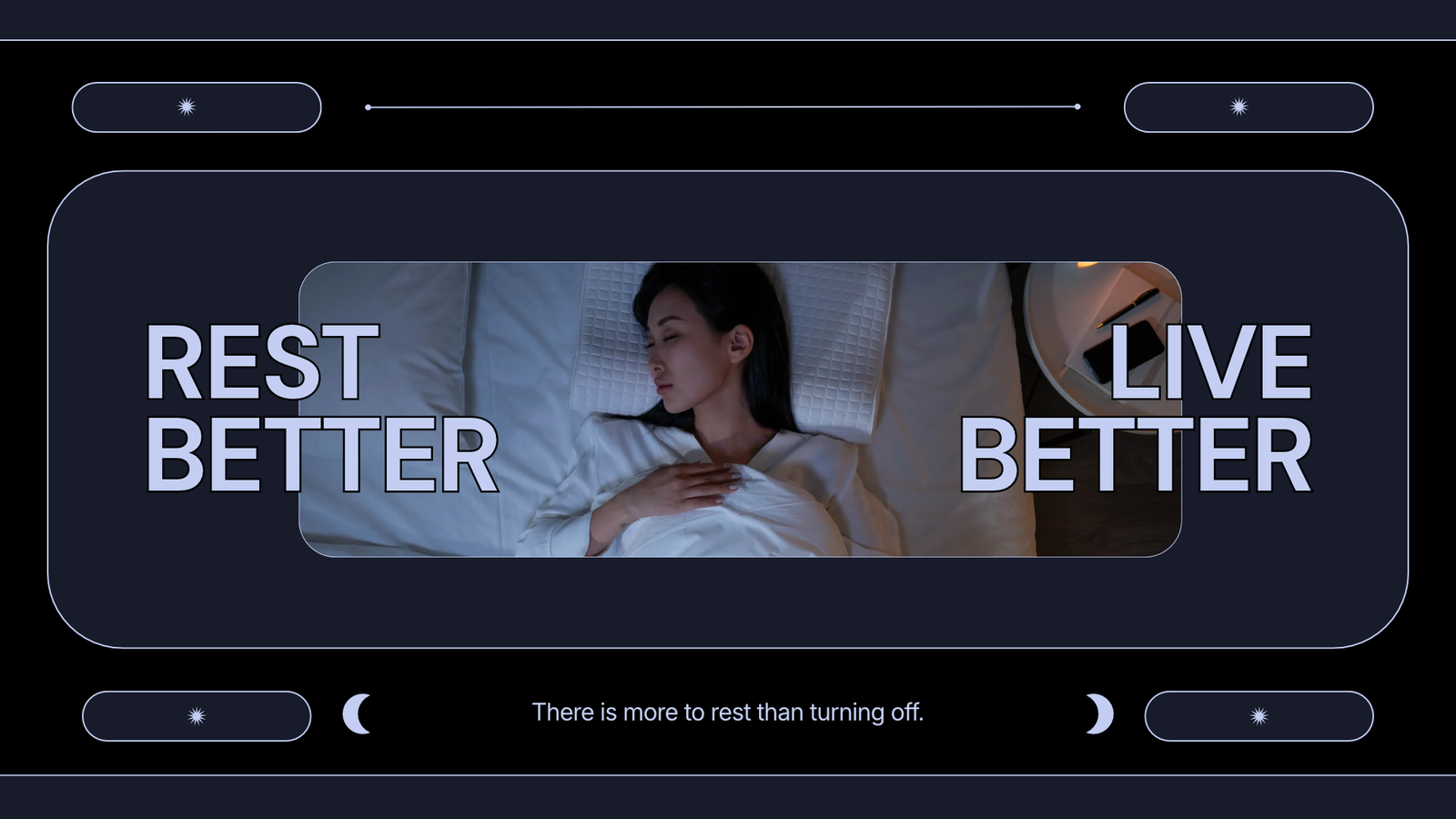
There is more to rest than turning off. Learn about the importance of good sleep to your mind, body and daily life, and what little things you can do to help you feel more rested when you wake up.
With the hustle and bustle of the world, late night scrolling and constant notifications, it's easy to forget about getting a good night's sleep. Yet sleep is a physically vital act and not just a break from work or life.
Memory and learning tasks take place in the brain during the rest, while the body performs tasks that help recovery and normal functioning. Sleep can also affect mood, attention and preparedness for the day.
01 / WHY IT MATTERS
The health of the body and mind
Sleeping benefits many systems simultaneously. Good, adequate sleep supports alertness, emotional regulation and functioning in everyday life. Frequently not getting enough sleep can make it more difficult to concentrate and make everyday activities seem more challenging.
Sleep is best perceived in the context of a larger whole: sleep is important for health, but it is not a substitute for medical treatment, healthy eating or exercise.
02 / QUALITY OVER THE CLOCK
What is a good night's sleep?
The quality of sleep is more important than the quantity. It also involves going to sleep without needing to struggle for long, getting to sleep then staying to sleep for most of the night and having a reasonably good sleep on waking.
How restorative sleep feels can be impacted by repeated awakenings, noise, an uncomfortable room, stress or an underlying health condition. If you are getting plenty of sleep, but still feeling tired, look at the pattern, not the clock.
03 / THE BRAIN AT REST
Enhanced memory, learning and better thinking
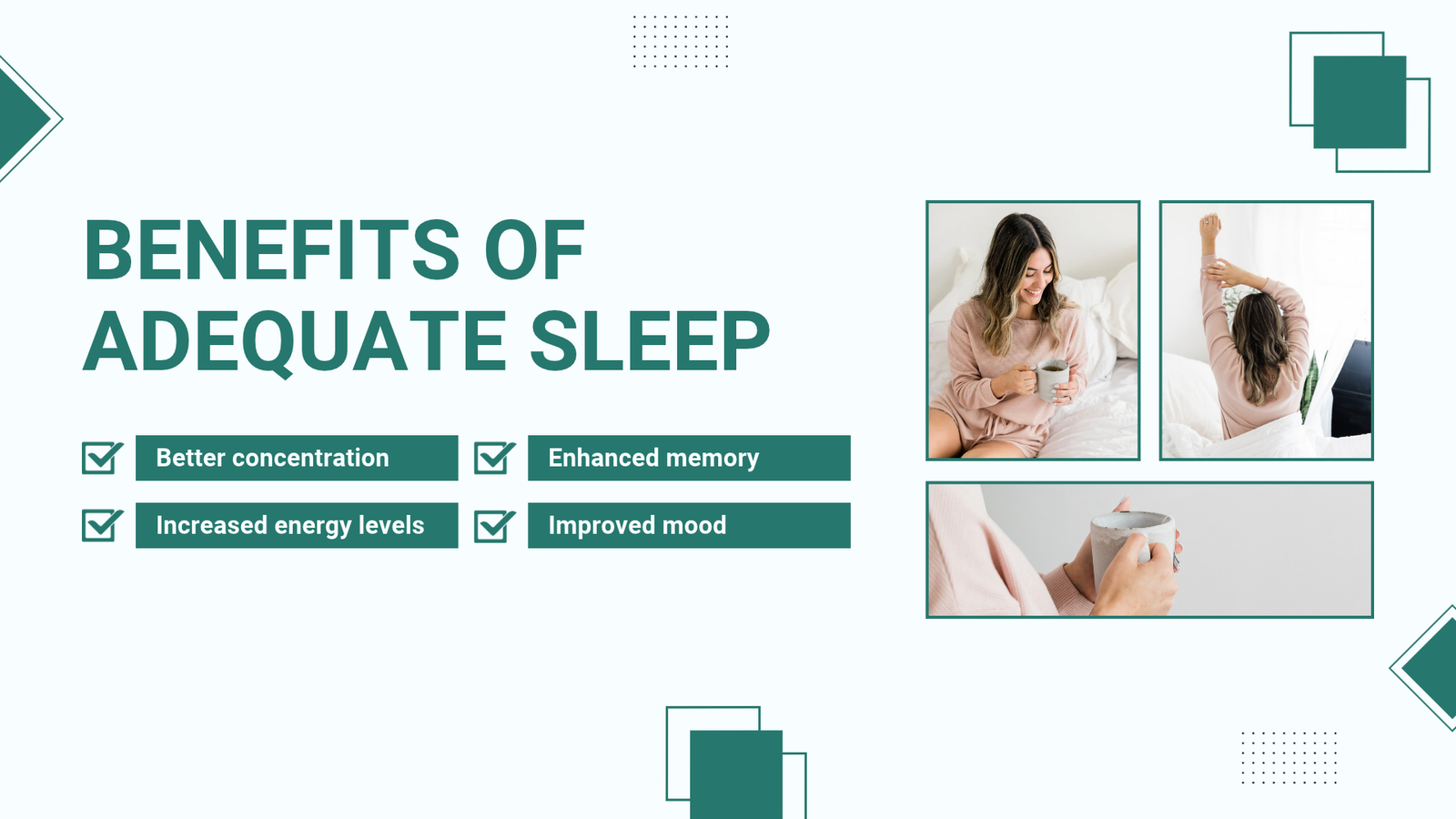
Brain continues to work all night long. Sleep is broken into different phases that have a role in learning, memory and concentration. The right amount of rest can help students to absorb new information and can help adults to think, solve problems and respond to changing situations.
Limited sleep can impair attention and reaction time. So protecting sleep is a practical approach to supporting performance, rather than wasting time being unproductive.
04 / MOOD & EMOTIONS
There are associations between sleep and emotional balance
Not getting a good night's sleep can make one feel more irritated and sensitive or overwhelmed. Good sleep helps to manage your emotions and to deal with daily stress.
Stress can also disrupt sleep, making it hard to break the cycle. A relaxing wind down routine can be helpful, but if sleep issues or emotional distress persist, seek help from a trained health care provider.
05 / BODY & RECOVERY
The physical health benefits of sleep
The body goes on with processes that promote tissue repair, immune function and hormone regulation during sleep. Appetite and metabolism are also affected by sleep.
People who experience chronic sleep deprivation are more likely to have health problems like hypertension, cardiovascular disease and type 2 diabetes. While a good night's sleep will not ensure perfect health, it is a vital component of a person's long-term health.
06 / How much is enough?
Getting just the right sleep
The amount of sleep varies by age. The amount of sleep that children and teenagers need is more than that for adults, and each adult's sleep requirements are different. The general range for most adults is 7 to 9 hours, and 7 hours is generally recommended.
Take into account the length of time and the feeling throughout the day. If you are chronically sleepy during the day, struggle to stay awake or wake up feeling tired, it could be a clue that something in your schedule (or health) requires attention.
07 / THE MODERN SLEEP CHALLENGE
Screens, Stresses and Schedules
Bright light, emotionally charged content and late night scrolling can take time to help you get to sleep. Irregular bedtimes and having different shifts can also cause an irregular sleep-wake cycle.
Set a definite end time for work, turn off irrelevant notifications and find some quiet time before retiring to bed. Having smaller boundaries can help you to switch off.
08 / SMALL DAILY CHANGES
Create a routine to facilitate rest
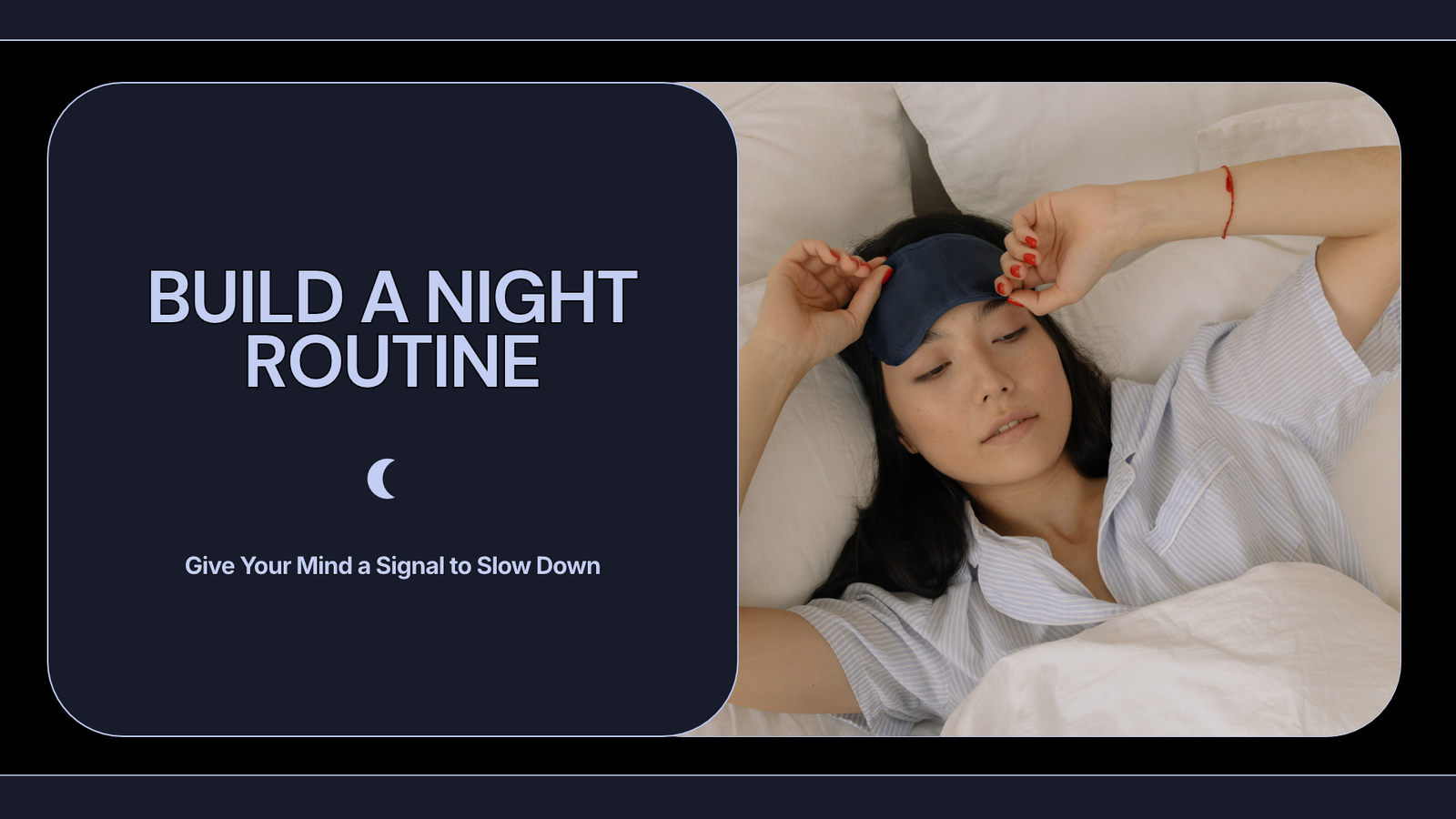
There is no one right way to do a bedtime routine. What matters is to adopt behaviors that allow your body to know when it needs to sleep. Aim to sleep and get up at the same time each day, close the bedroom door, turn the light off, and make use of the low temperature of the bedroom after you retire to sleep, and remove the electronic devices from the bedroom approximately 30 minutes before going to sleep. If caffeine hinders sleep, try to avoid it in the afternoon or evening.
Daily exercise will also make sleeping at night easier. Get outdoors in natural daylight for some time to help your body's sleep/wake cycle. Practice relaxation techniques before sleeping, such as read a book, stretch or slow breathing. With these simple practices, you can establish a pleasant evening ritual and get a better night's sleep.
09 / LIFESTYLE CONNECTIONS
Food, movement and your night-time rest
Your daily routines affect your sleep. Movement helps, caffeine can inhibit sleep. Some people find eating large meals too near their bedtime makes for discomfort.
Don't look for a miracle food or supplement; rather, aim for well-balanced meals, regular exercise, and a daily routine. Notice your own habits that influence your sleep and make some changes that you can sustain.
10 / WHEN TO SEEK HELP
Recognising sleep problems that need attention
Occasional restless nights occur; this is normal. Having trouble sleeping and waking often, or feeling extremely tired during the day after getting plenty of sleep at night could be a sign to seek professional help.
Sleep apnoea may also be associated with loud snoring, sleep apnoea and/or gasps by the person that snores or by another person during sleep. If symptoms last, interfere with everyday life or are a cause for worry, talk to a healthcare provider. Patterns revealed by sleep trackers do not indicate that a sleep disorder exists.
11 / A HEALTHIER TOMORROW
Rest is not a luxury, it's a necessity
Some use sleep tracking tools to identify patterns in sleeping, sleep length and sleep regularity; however, estimates are no substitute for medical assessment. Simple changes can be the most beneficial: maintain a consistent routine, limit distractions at night and get help if symptoms continue.
Good sleep isn't something you get after you've done everything else. It is a building block that supports you to live your life with more clarity, energy and balance.