

Cancer is among the most important health problems in the world and causes millions of deaths and disabilities around the world annually. Progress in medicine, early diagnosis, prevention and treatment is helping to improve outcome and save lives. Being knowledgeable about cancer, knowing warning signs and making intelligent health choices can make a difference in reducing the impact of cancer. Cancer awareness helps individuals make informed decisions about their health, helping them to lead healthier lives, while also promoting a more empathetic and understanding attitude toward the disease.
01 / Learn About Cancer and its Causes
Cancer occurs when abnormal cells start to grow faster than normal and spread without being controlled by the body's normal biological processes. These cells may form tumors, invade nearby tissues, or spread to other parts of the body through the bloodstream or lymphatic system—a process known as metastasis.
There are over 100 different diseases under the umbrella of cancer. Examples are breast cancer, lung cancer, colorectal cancer, prostate cancer, skin cancer, and blood cancers like leukemia. These two types have different characteristics and may have very different diagnosis, treatment and prognosis.
The cause of cancer is not fully understood, but once it is understood, it's easier to identify risk factors, increase prevention and seek care when needed.
02 / Common Risk Factors and Causes of Cancer
There are various factors such as genetics, environment and lifestyle which can predispose a person to cancer. Some risks are unavoidable, but others can be minimized by adopting healthier behaviors and taking preventive actions.
There are multiple risk factors such as smoking and tobacco use that are prominent causes of lung, mouth and throat cancers. Excessive body weight, poor nutrition and sedentary lifestyle are also risk factors. Excessive sun and sun-bed exposure can cause skin cancer and some people have genes that make them more likely to develop some forms of cancer. Certain infections, exposure to chemicals in the workplace and air pollution can also play a role in the development of cancer. Knowing these risk factors can enable individuals to make healthier choices and take action to lower their risk of cancer.
03 / Change of Mood, Behavior or Appearance are Warning Signs
Early diagnosis can be a key to cancer management. Certain cancers can be more responsive to treatment if they are caught before they have spread, so screening tests and regular examinations are important.
There are some common symptoms of cancer, such as unexplained weight loss, extreme fatigue, skin changes in existing moles or palpitations, and skin lumps or swelling. Some other signs or symptoms may be coughing that lasts for a long time, trouble swallowing, bleeding that doesn't have an obvious cause, or changes in bowel or bladder habits. While all of these can be signs of cancer, it may not be the case if they stop or are not unusual; if they persist, however, it is important to consult a healthcare professional.
The symptoms are not necessarily signs of cancer. Many can be related to other conditions but if there are any symptoms that persist, are unusual or getting worse it is important to seek medical advice.
For some cancers, screening tests like mammograms, cervical cancer screening, colorectal cancer tests, and a few lung cancer tests may detect cancer at an earlier stage in individuals who are recommended for screening.
04 / Cancer Prevention Through Healthy Lifestyle Choices
While there are types of cancer that cannot be prevented, there are others that can be prevented by lifestyle choices. Prevention emphasizes developing healthy habits that improve overall health and decrease exposure to known risk factors.
Prevention of cancer is important to avoid tobacco and second-hand smoke, maintain a healthy body weight and eat a balanced diet, which is a diet rich in fruits, vegetables, whole grains and fibre. Also, regular exercise and reducing sitting time can help maintain good health. Avoiding or cutting back on alcohol, keeping skin out of excessive amounts of sunlight and maintaining current vaccines including HPV and Hepatitis B vaccines can also help to prevent some types of cancer.
Prevention is not a matter of perfection. Making small, predictable changes in daily life can result in improved long-term health, and reduce the risk of some diseases.
05 / Modern Cancer Treatments and Medical Innovations
There have been significant improvements in cancer treatment in the last few decades. Treatment options are now used as a combination of treatments depending on the type of cancer, the stage of cancer, overall health of the patient, and the characteristics of the tumor.
Treatment for cancer varies depending upon the type and stage and can involve more than one treatment method. Chemotherapy involves taking drugs to inhibit the growth of cancer cells or to kill any cancerous tumours and surgery involves the removal of affected tissues or cancerous tumours. Radiation therapy aims to destroy cancer cells using high-energy radiation and immunotherapy assists the body's immune system in attacking cancer. Targeted therapy targets specific changes in cancer cells and hormone therapy prevents or decreases hormones that promote the growth of some cancers.
Research is ongoing to more precisely target treatment, minimise side effects and create novel therapies for cancers that posed challenges before. Treatment will be with one strategy or a combination of strategies, depending on the diagnosis.
06 / Emotional Support, Mental Health & Life During Cancer
Cancer is a disease that goes beyond the body. When a patient gets a diagnosis, so can their loved ones, with fear, uncertainty, stress, sadness and emotional exhaustion being brought on. Other areas of life that can be impacted by treatment include daily activities, relationships, work and finances.
Emotional support is a key aspect of cancer care. Family members, friends, professional counselors, psychologists, and support groups may be able to offer comfort and assist patients in dealing with the difficulties of diagnosis and treatment.
Open communication with health care professionals, stress management, maintaining social connections and time for rest may help to enhance the quality of life. Patients should also find it easy to talk to their health care providers about emotional problems, because psychological help can be provided during the treatment for cancer.
07 / The Future of Cancer Research and Awareness
Personalized medicine, earlier diagnosis and improved treatments are key to the future of cancer care. Scientists are investigating novel methods to analyze the genetic and molecular profile of tumors in order to find treatments more effective for individual patients.
Opportunities include liquid biopsies, precision medicine, better imaging, new immunotherapies and combinations. These advances could lead to the identification of some cancers earlier, tracking of treatment success and the development of more personalized treatment strategies.
Cancer awareness programmes also remain significant, not only in educating communities, but also in the promotion of risk avoidance, decreasing stigma and encouraging screening and health services. With improved awareness and advances in science, there is hope for improved cancer outcomes for all.
Conclusion
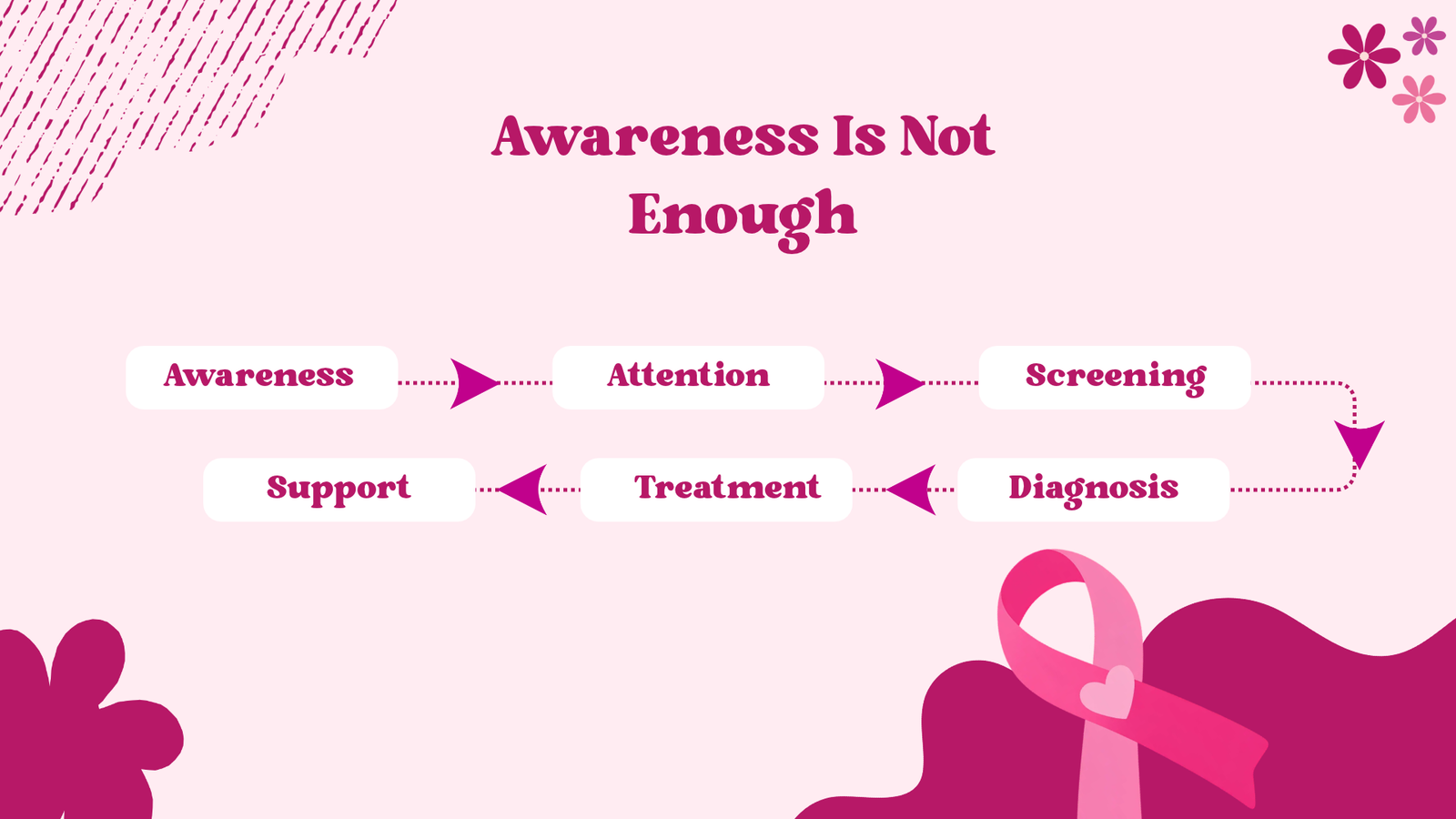
Cancer awareness is a process of awareness, prevention, early detection, caring and scientific research. While cancer is a serious worldwide health problem, knowing what causes cancer, what symptoms to look for, when to get screened and how to live a healthier lifestyle can help. New treatment options are being developed and existing treatments are constantly being enhanced, providing new hope for patients globally.
The number one message is: action from awareness not fear. Prevention, early detection, treatment, support and information can help create a healthier and happier future.