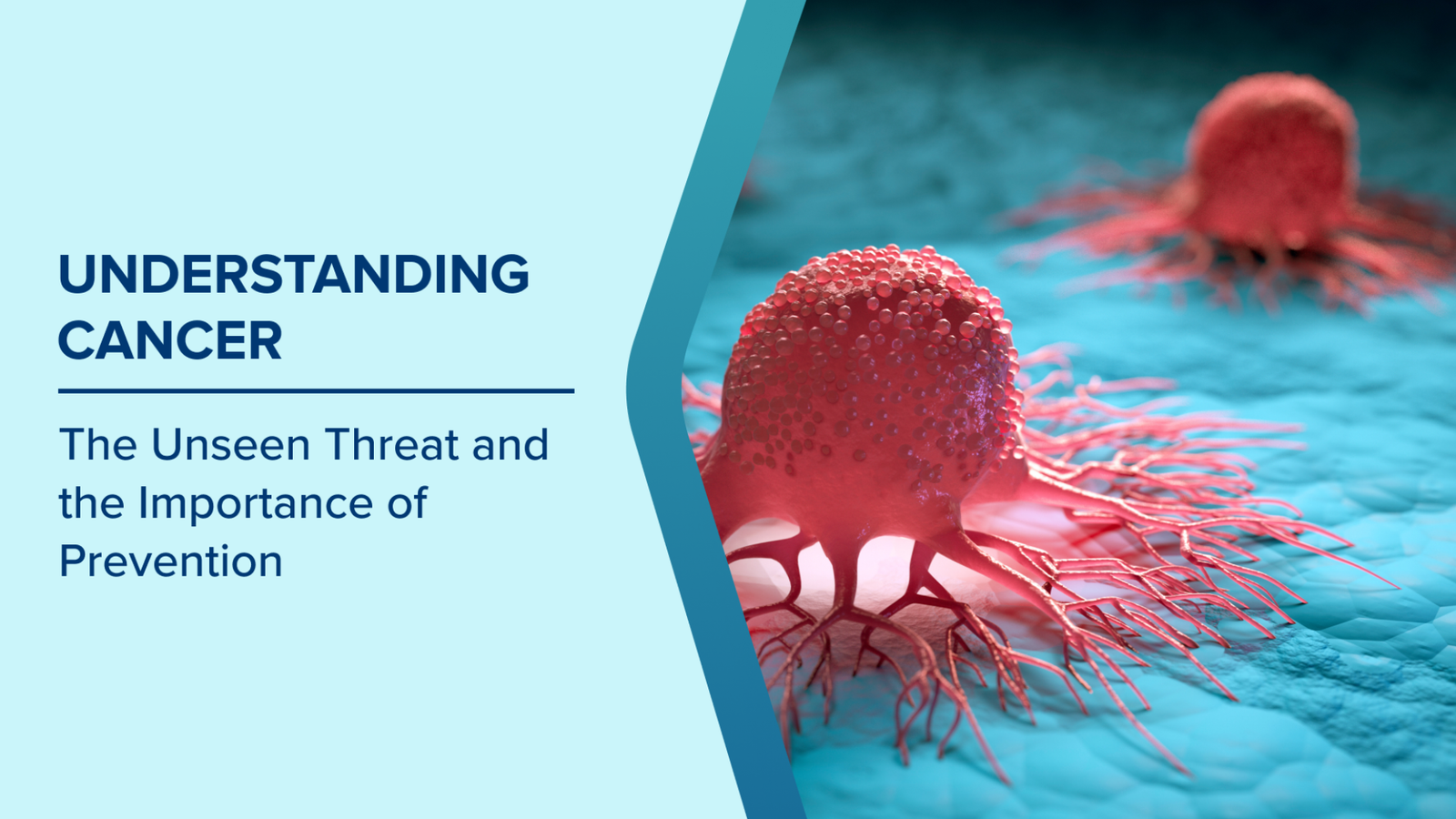
Cancer is one of the most significant health issues globally which impacts millions of people annually. It comes about when abnormal cells grow out of control and travel to other parts of the body. Cancer can be a life-threatening illness; however, there is more to be done to prevent, diagnose, and treat cancer.
People today can deal with cancer more effectively through increased awareness, healthy lifestyle decisions, regular screening and modern medical technologies. The knowledge of its causes, early warning signs and the timely access to treatment are crucial steps to achieving good health outcomes.
1. Understanding cancer: Causes, types & how cancer develops
Cancer occurs when there are changes in the DNA of abnormal cells causing them to grow and divide out of control. These cells may develop into a tumour and occasionally invade other parts of the body via the blood or lymphatic system.
These include breast, lung, prostate, colorectal, skin and blood cancer. There are a variety of types with varying treatments and properties. Genetic, environmental, infectious and lifestyle factors may all be responsible for cancer development.
2. High Risk Factors: What Raises the Risk of Cancer?
There are a number of factors that make someone more susceptible to developing cancer. Tobacco use, excessive alcohol consumption, unhealthy diets, physical inactivity and obesity are among the major preventable risk factors.
Air pollution, exposure to harmful chemicals and to the sun's ultraviolet rays can also lead to some cancers. Also, individual risk is raised from HPV or hepatitis B infections, as well as, inherited genetic changes and aging.
3. Cancer prevention: Making healthy lifestyle choices that make a difference
While some cancers are unavoidable, healthy lifestyle habits can lower the risks of many cancers. Prevention is important, such as avoiding tobacco, reducing alcohol intake, staying at a healthy weight and exercising regularly.
A healthy diet, avoiding excessive exposure to sunlight and getting the necessary vaccinations, including HPV and hepatitis B vaccines, will also help. Poor health is also mitigated by regular health check-ups and minimizing exposure to toxic chemicals.
4. Modern Cancer Treatments: How Medical Science Is Changing Patient Care
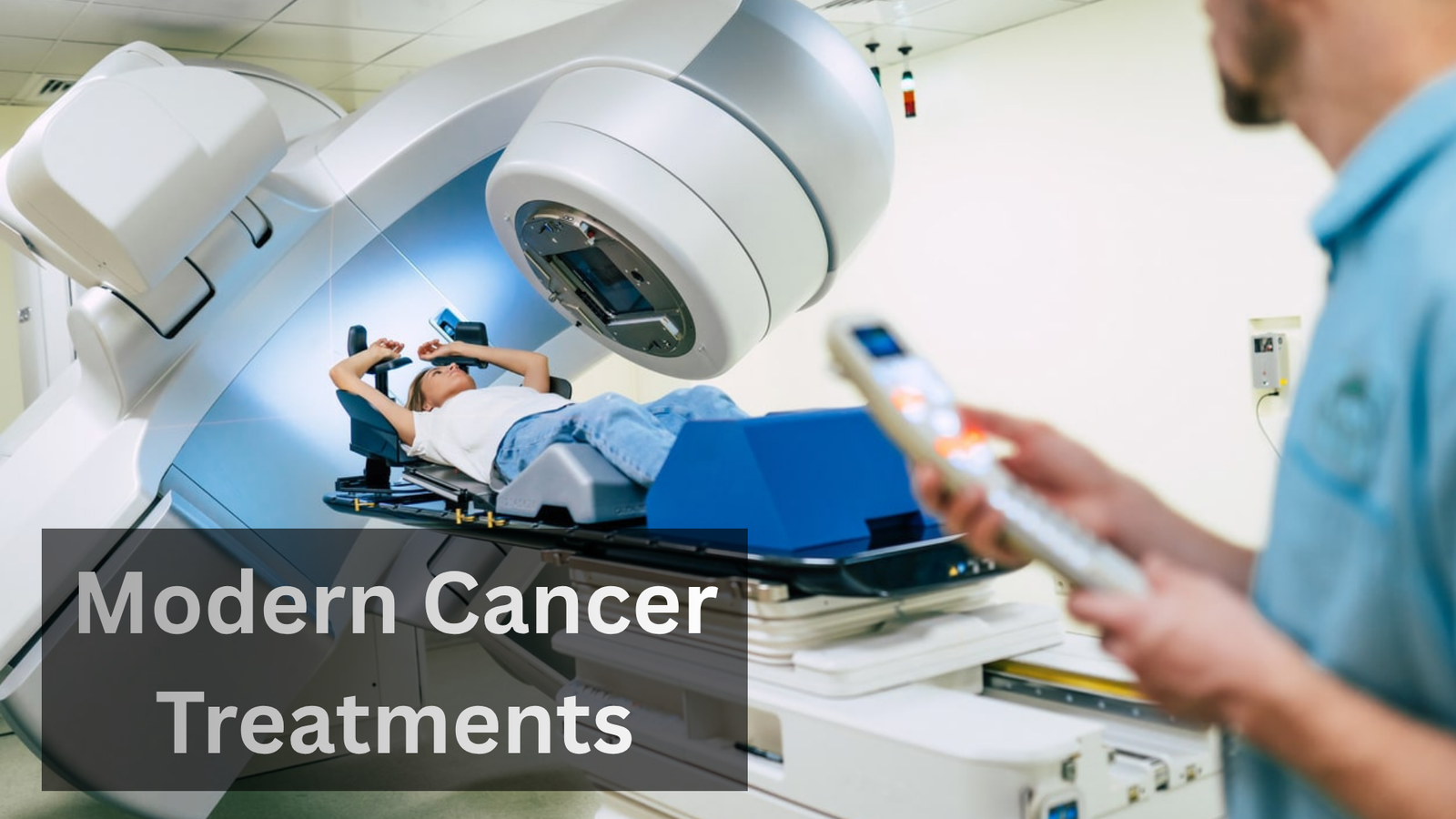
Depending on the type and stage of cancer, there are several different types of treatments available in modern medicine. Surgery is to remove the cancerous tumour and chemotherapy is to use drugs to slow down or stop the growth of cancer cells. Radiation Therapy, the treatment of cancer with high energy radiation.
More recent therapies use targeted therapy (which targets specific changes in the cancer) or immunotherapy (which boosts the immune system to help fight the cancer). Precision medicine also enables physicians to choose treatments according to the individual's tumour's properties.
5. Early Warning Signs: Why Recognizing Symptoms Matters
Being aware of some unusual changes in the body can help determine if cancer is present at a very early stage. Symptoms are lack of weight loss, fatigue, abnormal lumps, pain and bleeding that won't go away.
Other symptoms can be a chronic cough; abnormal bowel movements and sores that fail to heal. Not all of these symptoms are a sign of cancer, but if they last or are unusual, a health care provider should evaluate them.
6. Early Diagnosis and Cancer Screening – Cancer when it is supposed to be found
Early diagnosis plays an important role in improving cancer treatment outcomes. Screening tests help identify certain cancers before symptoms appear, making timely medical intervention possible.
Breast cancer, cervical screening and colorectal cancer tests are examples of common screening tests. Eligible people who are at a higher risk of lung cancer might also be recommended a low-dose CT scan. Depending on the age, medical history and individual risk factors, the proper screening method will be applied.
7. Life After Cancer Treatment – Recovery, Support and Survivorship
The physical and emotional health may be impacted by cancer treatment. Medical management and emotional support is important during recovery, as patients may feel fatigued and experience pain and stress during treatment.
The provision of family support, nutritional care, rehabilitation and counselling can enhance quality of life. Regular check-ups following treatment help ensure recovery and identify a risk for recurrence. Palliative care can also help to relieve symptoms and comfort when necessary.
Conclusion: Building a Future with Better Cancer Awareness and Care
Cancer remains a major global health challenge, but improvements in prevention, early diagnosis and modern treatments are creating new hope. Healthy habits, regular screening, vaccination and greater awareness can help reduce risks and improve outcomes.
Continued medical research, accessible healthcare and personalized treatments will play an important role in the future of cancer care.