Why safe, affordable and nutritious food is one of the biggest challenges of our time and what it will take to create a better food future.
A healthy meal is different around the world: a bowl of lentils and fresh vegetables and flatbreads; rice and beans; a table of seasonal fruit shared among the family. These meals have more to them than just flavour. They have the potential to supply the nutrients required for human growth, development, work, and life maintenance.
However, not all people have access to nutritious food. What is on the plate is influenced by household income, conflict, climate pressures, food prices and infrastructure and local food environments. Ensuring more food is thus not the answer to the global nutrition problem. It's all about making healthy diets available and affordable, safe and appealing for all communities.
1. A challenge beyond hunger
Hunger continues to be a pressing issue, but nutrition is more than just calories in, calories out. Energy can be adequate in a diet but it may be deficient in other nutrients such as vitamins, minerals, protein or fibre. Meanwhile, a high intake of highly-processed foods makes it easier to fail to eat a balanced diet.
In many cases, these are interlinked challenges and are referred to as the double burden of malnutrition—people can be undernourished and at the same time have micronutrient deficiencies, within the same country and household. Responses must understand this complexity and not consider nutrition as a singular problem.
2. For why healthy food is not equally available see
The barrier for many households is cost. Nutrient foods, such as fresh produce, eggs and dairy, and fish, nuts and other foods, might be more expensive or harder to find, while cheaper, energy-dense foods are more available and convenient. The issue is exacerbated by transport costs, poor storage options, and long distances to markets, along with inconsistent electricity supplies.
The time and facilities are also important factors in accessing. For those who work long shifts, for those who have only limited time to care for their family, and for families that don't have a safe place to cook, there may be fewer practical options. Availability can be a problem, particularly in remote communities, urban neighbourhoods where few food outlets are available and in areas that are impacted by displacement or conflict.
3. Malnutrition can manifest in various forms
Undernutrition can impact physical growth, immune function, and learning and recovery from illness. Food deficiencies, such as iron, iodine and vitamin A, could be harder to see than hunger, but can have serious consequences. Some children, pregnant women, the elderly and those with chronic diseases might have different nutritional needs.
Conversely, nutrient-rich foods, such as salt, added sugars and unhealthy fats, when combined with reduced availability of healthier options, can raise the risks of non-communicable diseases. It isn't about blaming or giving generic advice. It is about making it easier to improve the food environment in order to make balanced food choices more attainable for people from various income, culture and needs.
4. Climate and food systems influence what we eat
Food is passed through a complex system of farms, fisheries, processing factories, transport, markets and homes. Production can be impacted by heatwaves, droughts, floods and altered growing seasons, which can drive up prices. Long term foundations for food production are also affected by soil degradation, water scarcity and biodiversity loss.
There's the added challenge of food waste. Food may be lost at harvest or in storage, during transport, or by shops or households. Improvements in cold chain, storage, packaging, planning and redistribution will help to maintain resources and increase the food available to people.
Food system resilience involves using more locally appropriate farming methods, growing a diverse mix of crops, adopting responsible water management, and ensuring market access and infrastructure is shock resistant. There is no single solution as it needs to be tailored to local ecosystems and livelihoods.
5. Why nutrition in childhood is important
Childhood is an important time of development and growth. Children require easy access to a variety of safe and nutritious foods and caregivers require information and assistance. School meals can offer nourishment throughout the day, assist with concentration and can offer opportunities to introduce healthy foods.
Nutrition programmes are more effective when combined: health services, breastfeeding support (where applicable), clean water, sanitation, food education and social protection all have a role to play. Judgemental and culturally unsensitive advice should not be given to families.
6. What governments and communities can do
Public policy can help to increase the availability of nutritious foods to be afforded, sold, and produced. The governments have the opportunity to boost school meal programmes, promote maternal and child nutrition, enhance food safety, bequeath investment in rural roads and storage, and boost social protection to the households in hardship.
Programmes can be tailored to fit the needs based on the participation of community organisations, health workers, schools, farmers and local businesses. Understanding the perspectives of those who are most impacted can be crucial to gaining trust and delivering support to the right people.
7. The challenge of technology and innovation
Digital tools can assist farmers monitor the weather, identify pests, link them to markets and minimise losses. Food can be transported and stored in better condition to markets. Nutrition data can also be used to inform public agencies about gaps and ensure nutrition supports are directed more efficiently, again with privacy, accuracy and access to those supports protected.
Innovation should support and not supplant reliable public services and fair access. The mobile app alone is not a solution to food insecurity when a family doesn't have income or a nearby source of nutritious food, or transportation. The best technologies are useful, affordable and made by the people who will use them.
8. Making decisions every day that make a difference
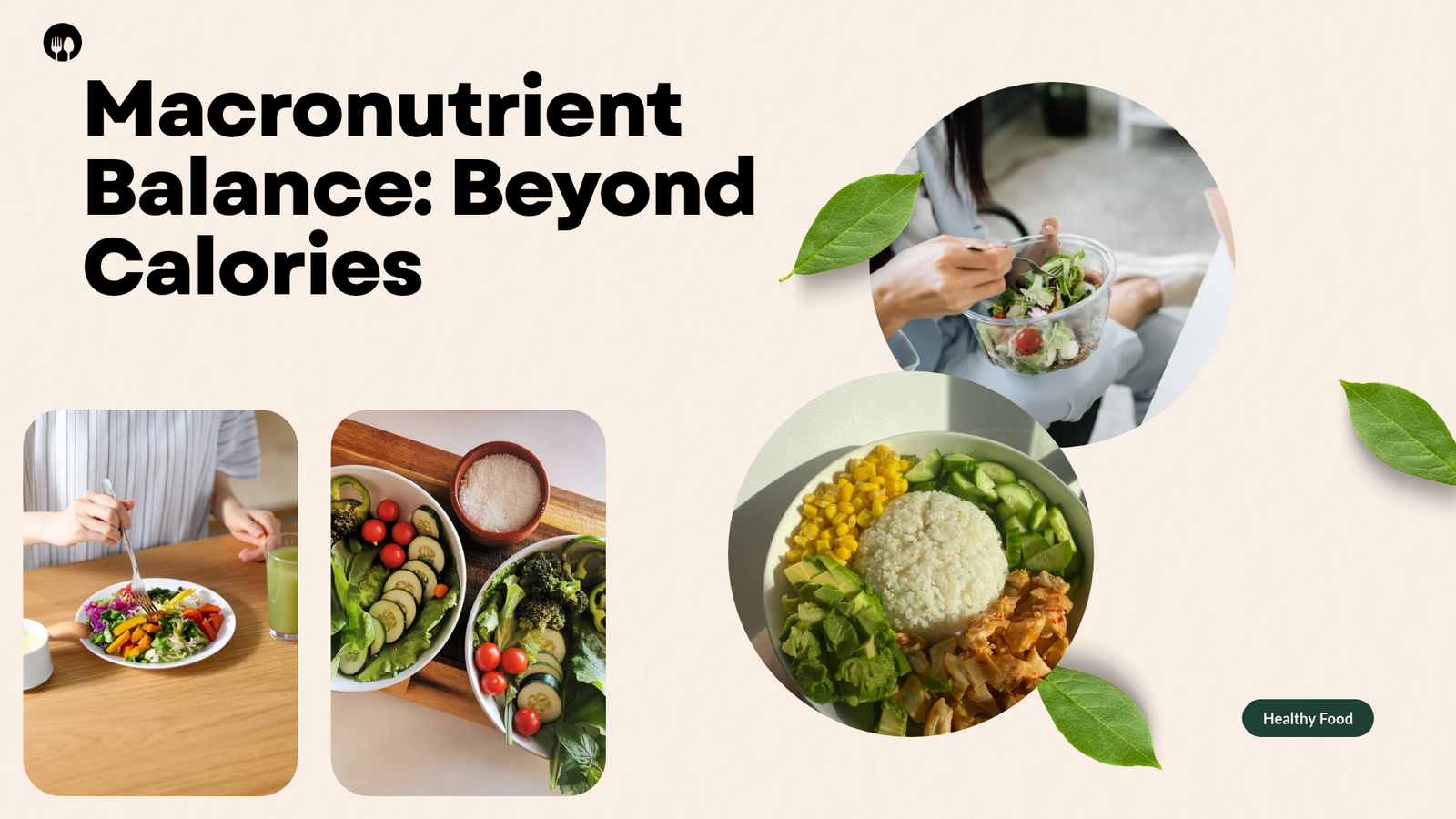
It's important that there is a large-scale change, but if there is time for some small practical changes, these will help support a varied diet. Try to get a good mix of foods throughout the week, rather than focusing on one meal at a time. Beans, lentils and other pulses can be used to add protein and fibre, seasonal vegetables and fruit for colour and micronutrients, and whole grains and appropriate sources of healthy fats to complete the meal.
A healthy diet isn't complicated and isn't all about the “right” foods. Nutrient-rich foods include traditional foods, seasonal fruits and vegetables, and familiar recipes. Advice should be culturally appropriate, cater to all dietary requirements, take into account health and household finances.
9. Nutrition issues are also fair issues
Food choices aren't made in a vacuum. All of these factors affect nutrition: wages, housing, education, gender inequality, disability access, transportation, and access to clean water. Socio-structural barriers to choice may not be addressed by policies that target only personal behavior.
Dignity is at the centre of a fair approach: Food should be provided without stigma, school meals should be safe and inclusive, and nutrition information should be provided in multiple languages and formats. Community members should be involved in the process of decisions that impact their food supply.
10. Creating a healthier food future
There is no simple answer to the global nutrition challenge. It calls for cross-sector actions in the fields of health, agriculture, education, climate policy, trade and social protection. Success is more than just 'calories in, calories out' - it is having access to food that is safe, nourishing, culturally acceptable and affordable.
There is scope for progress if investment can be brought to local communities, programmes are fairly assessed and policies are adapted to changing circumstances. The path towards a healthier food future will be shaped by numerous interconnected decisions – including those made in the field about crop cultivation, in the market about market design, in the school regarding how the institution feeds children, and in the home about how to support families in times of crisis.