Vaccination has played one of the most significant roles in modern medicine, saving millions of people from deadly infectious diseases and enabling children to become healthier adults. Vaccines are an important part of preventing diseases like diphtheria, tetanus, polio, measles and whooping cough, around the world. Vaccines boost the body's immunity, so that it can identify and respond to a specific infection before it can harm the body.
However, access to vaccines is not uniform between countries and communities. The majority of children get routine immunizations in the normal health care system; but some do not get necessary doses due to poverty, conflict, poor health services, or unreliable information. The WHO and UNICEF estimates that some 13.5 million children were not vaccinated for various routine childhood diseases during their first year of life in 2025. This underscores the critical need for enhanced global vaccination efforts. Preventing diseases is not the only reason to protect children today; it is also about creating a healthier, safer and more resilient future for generations to come.
1. The importance of vaccinations around the world
Vaccination helps to prevent infections that could cause severe illness, long-term health problems or death. The more often children are vaccinated at recommended times, the more the vaccine strengthens their immune system in case they come into contact with the disease in the future.
The benefits of immunisation are more than personal. If a significant amount of the population is vaccinated, transmission of some infectious diseases is more challenging. This community-level protection can help to protect individuals who are unable to receive specific vaccines due to medical issues.
Vaccination programmes also help to alleviate pressures on health systems worldwide. When you prevent disease, fewer people are admitted to hospital, treatment is more affordable and families' daily lives are less disrupted. Countries can invest in immunization and safeguard public health and encourage long-term social and economic development.
2. Vaccine uptake in childhood and early protection
The early years of life are particularly crucial for establishing a solid basis for lifelong health and wellbeing. Infants and young children may be susceptible to infections that can lead to severe problems. They are protected during these vulnerable periods of development with routine vaccinations.
Childhood vaccines offer protection against diseases like polio, measles, hepatitis B, diphtheria, tetanus, pertussis (whooping cough) and pneumococcal disease, depending on the country and immunization schedule. Certain vaccines may need more than one shot to give the recommended level of protection and it is important that parents and caregivers stick to the schedule recommended by qualified health care professionals.
Children also have a reduced risk of some of the preventable infections that could interfere with their ability to attend school and engage in daily activities when they are regularly vaccinated. Parents can help in this process by keeping vaccination records, attending scheduled immunization appointments and seeking advice from health care providers in case of missed immunizations.
3. How Vaccines Prevent Disease Outbreaks
Vaccines are vital weapons in the fight against and, in some instances, the eradication of infectious diseases. They train the immune system to recognize specific pathogens, which enables it to respond more quickly if an infection occurs.
Because measles is an ideal case to highlight the need for high vaccination coverage. The disease is easily transmitted and can be very severe, especially in young children. As vaccination coverage declines in a community, the virus can quickly infect those who are not fully vaccinated.
Another good example of global vaccination is polio. Although vaccination and surveillance are necessary to prevent the return of this disabling disease worldwide, international immunization campaigns have significantly reduced the global burden of this disease.
High coverage of vaccination programmes minimises opportunities for some pathogens to circulate. Protection depends on the disease, however, and on the immunity level of the population, as well as the vaccine. However, the need to immunize against all health risks cannot be done exclusively through vaccination and should be combined with disease surveillance, healthcare access and public health education.
4. Vaccine Safety, Public Awareness and Misinformation
Public trust is essential for successful vaccination programmes. While vaccines are scientifically tested and regulated, some safety concerns, such as potential side effects, long-term safety and recommended number of doses may affect parents' decisions.
These concerns can be harder to tackle when misinformation is spread on social media platforms. Claims and statements that are misleading, unverified personal stories and misinformation can go viral, filling in with uncertainty regarding the benefits and risks of immunization.
Accurate and credible data from trusted health and public health experts can support families to make informed choices. Healthcare professionals should take the time to listen to parents' concerns, educate them on the benefits and side effects of the vaccines they recommend and explain the difference between common and mild and rare and serious reactions.
All medical treatment, including vaccines, can cause side effects, although the majority are minor and short-lived. Rare serious reactions and recommendations for vaccines based on evaluations of safety and effectiveness. Parents should seek advice from their child's health care professional regarding medical concerns as they may be different for individual children.
5. The role of governments and global health organizations
In order to achieve global vaccination, national governments, healthcare providers, international organizations and local communities need to cooperate. Both are vital to the delivery of vaccines that are available, affordable and accessible.
The Government has the responsibility to prepare immunization policies, allocate financial resources for immunization services, train health care workers and track immunization rates. They can also reinforce primary health care systems, enabling children to receive regular immunizations and other basic health care.
Countries are supported by organisations like WHO, UNICEF and Gavi – the Vaccine Alliance – in the areas of technical guidance, procurement of vaccines, funding partnerships, and programmes to engage under-served populations. Their efforts contribute to bolstering immunisation systems, including in countries with financial or logistical difficulties.
Another key component of this effort is cold-chain systems. Some vaccines need to be kept in a certain range of temperature to keep them working. Reliable refrigeration, transportation and supply management assures that the vaccines delivered to healthcare facilities are appropriate for use.
6. The Global Vaccination Gap: Reaching Every Child
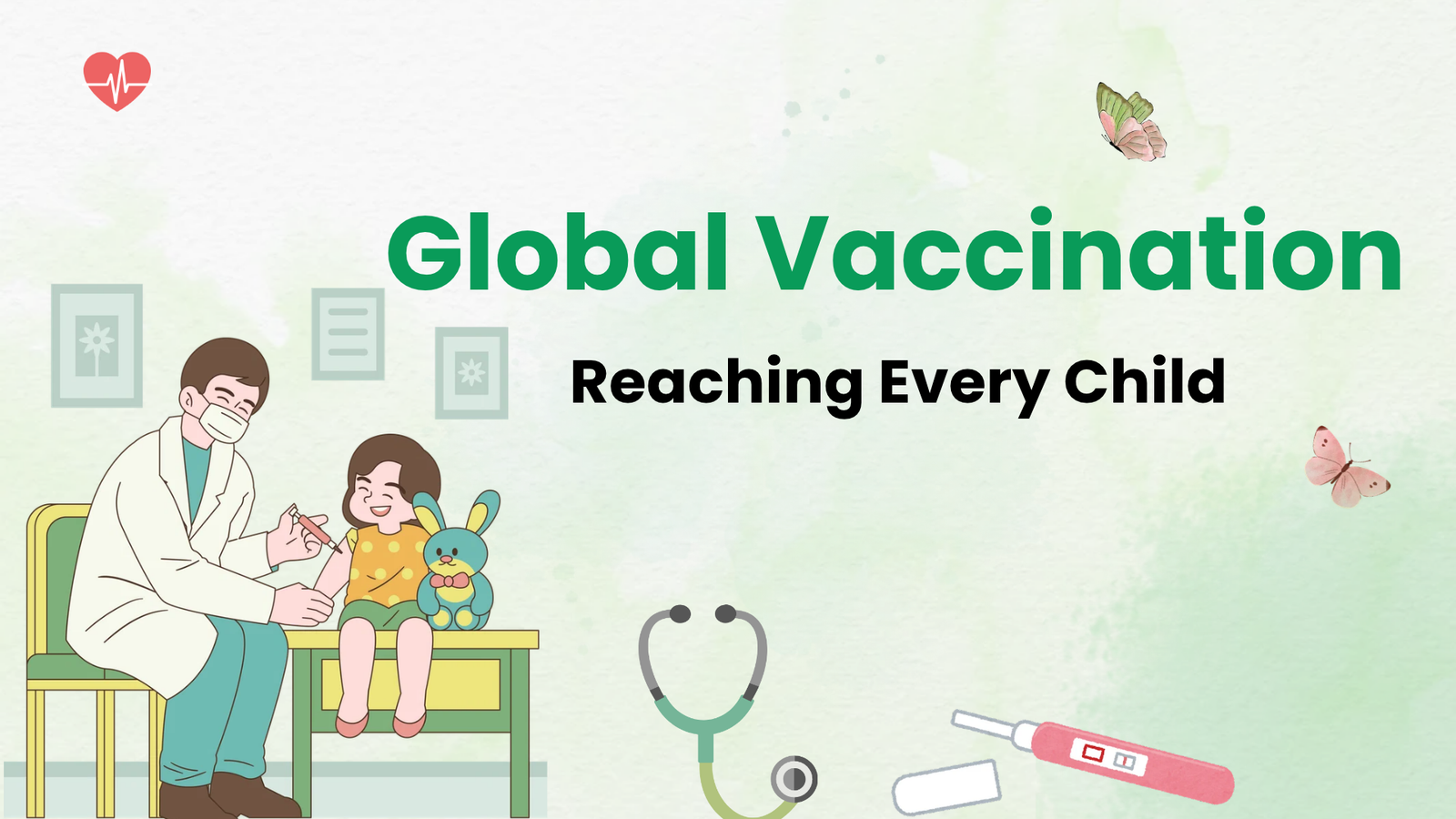
Even with the tremendous advances in immunization around the world, millions of children remain unprotected from vital vaccines. WHO and UNICEF estimates in July 2026 indicate that in 2025, around 116 million infants received at least one dose of diphtheria, tetanus and pertussis (DTP1), and approximately 110 million infants completed three doses of DTP (DTP3). An estimated 13.5 million children, however, did not receive any routine vaccines in their first year of life.
There are a number of reasons for this. Remote communities can have access to healthcare facilities that are hard to reach and transportation costs or limited health care personnel can keep families from making vaccination appointments. Other barriers are poverty, displacement and humanitarian emergencies.
Children in affected areas of conflict are especially at risk. Healthcare facilities can be impacted, vaccine stockpiles can be disrupted and families can be displaced. Where vaccines are available, parents can find it difficult to be able to receive vaccines in a safe and accessible location.
Reaching the vaccination goal entails more than just producing enough vaccines. Governments and international organisations should make sure that vaccines are delivered to the children who need them the most, irrespective of location, income and situation.
7. Future of Vaccination: Innovation and Global Cooperation
Scientific advances, improved medical systems, and the development and maintenance of vaccines in hard-to-reach areas will be key to ensuring a vaccine future for the world. Vaccines are being created and enhanced for more infectious diseases and current immunization programs continue to reach more people.
New technologies have the potential to support health systems to monitor vaccine supply, support cold chain and identify coverage gaps in populations. With better monitoring, health authorities can plan targeted campaigns to decrease the number of children that miss scheduled doses.
Vaccine development and the ability to deliver vaccines could also be made more convenient. But the application of new technologies is not a solution to problems arising from poverty, conflict, lack of infrastructure or trained health care workers.
Cooperation in the international arena is still necessary. The countries require sustainable funding, reliable supply chains, effective disease surveillance and public health strategies addressing local needs. Schools, community groups and health care providers can also educate families about immunization timelines and provide convenient resources.
Conclusion
Vaccination is one of the best pillars of child health protection and a brighter future. Immunization protects people, families and communities against serious infectious diseases, avoids unnecessary suffering and improves the health and safety of communities.
However, the ongoing number of unvaccinated children shows that nothing comes easily. Many families are still denied access to services – financial access concerns, conflict and lack of healthcare access and misinformation remain. To overcome these challenges, a coordinated effort involving governments, health care providers, international organizations and local communities is required.
The path forward will require increased access to routine immunization, improved health care infrastructure, provision of reliable public health information and increased access to vaccines for the most vulnerable children. The role of families is also vital in adhering to the proper vaccination timelines for their children and seeking advice from qualified healthcare providers.