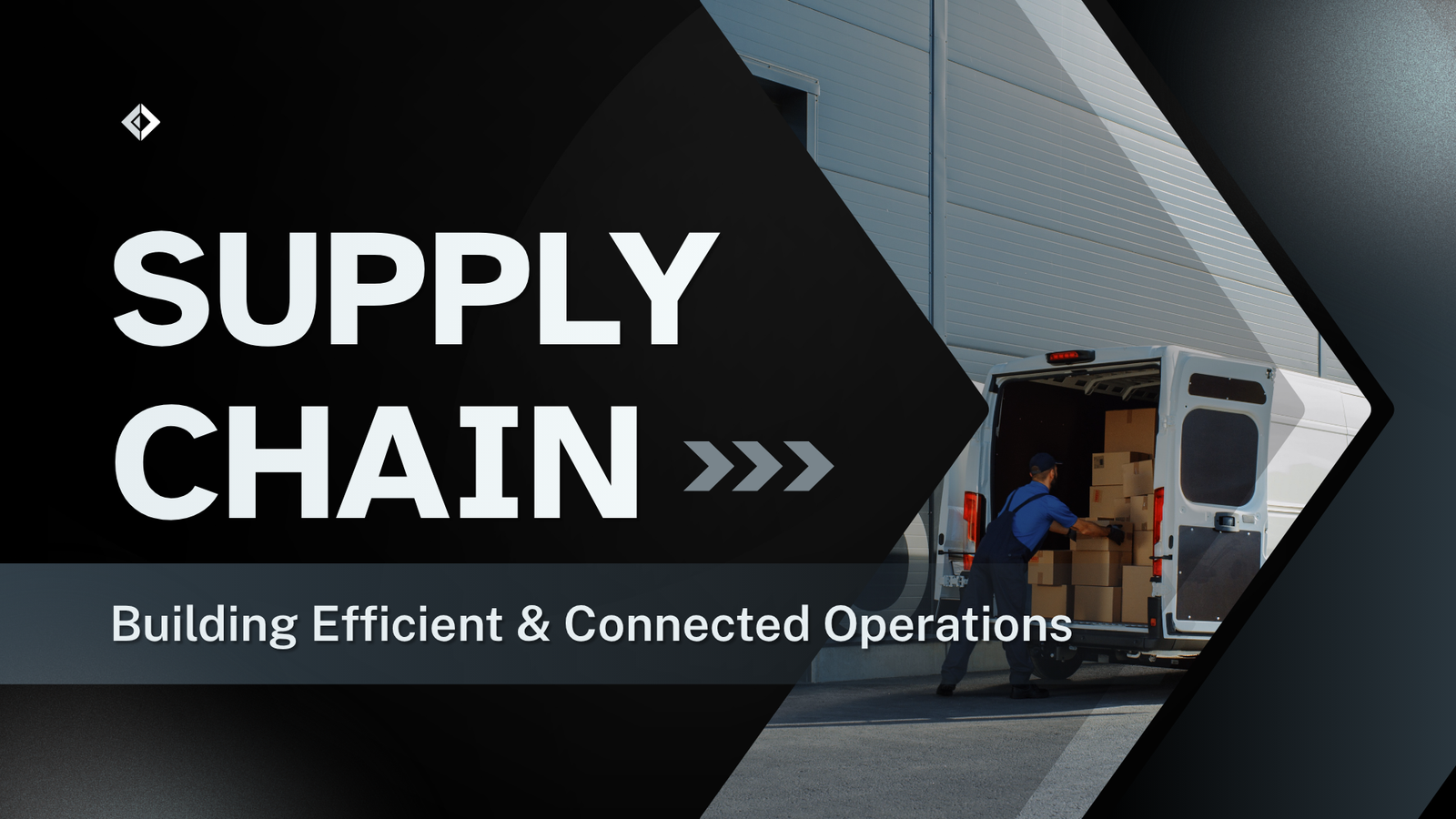
The global supply chain has emerged as a key component of the contemporary economy. It is now used in virtually every product consumers use in their everyday lives – from smartphones to clothes to food to cars and much more – and is a chain of suppliers, manufacturers, transport companies, and distributors in various countries.
But the world is changing its supply chains quickly. The way products are produced, stored and distributed is changing with technological innovation, artificial intelligence, automation and digital transformation. Enterprises are leaving behind the traditional supply chain and opting for smarter, faster and more connected solutions.
The trade uncertainties, environment dimensions, the cost of operations and unexpected disruptions are on the rise, throwing new challenges at businesses at the same time.
The global supply chain revolution isn't a revolution in transportation. It's about building a smarter, more sustainable and more resilient global business environment.
1. Technology is reshaping global value chains
Technology is a key enabler in the changes in global supply chains. In the past, Papercopy and manual communication were common and important parts of the supply chain, and there were limited tracking systems available. These processes are now being accelerated and streamlined by digital technologies.
With cloud computing, the Internet of Things (IoT) and digital platforms and real-time tracking systems, companies can track products on their way. Companies can get updates of inventories, transportation schedules and progress of delivery.
Such technologies also enhance the communication between suppliers, manufacturers and retailers. The sharing of accurate information can help to minimize delays, improve resource management, and enable better decision-making in the business.
Technology will become more and more significant in developing efficient and connected global supply networks especially as digital transformation goes on.
2. 2D and 3D CAD Software
Businesses now face the need to adapt to the new Artificial Intelligence (AI) reality in their supply chain operations. AI tools are becoming more commonplace in the business world for analyzing vast amounts of data, predicting customer needs, and uncovering potential issues in operations.
Predictive Analytics uses historical sales data and customer behaviour and seasonal trends to predict future market needs. This enables companies to manage their stock levels and prevent both overstocking or running low.
Another application area of AI is in the planning of delivery routes, selection of suppliers and warehouse management. Intelligent systems may be able to detect patterns that are hard to detect using conventional techniques.
For the adoption of AI to be successful, it is essential that the data is accurate, and that monitoring is done and responsible decision-making is made. The integration of AI technology with human knowledge and skills can lead to better efficiency and a more competitive edge.
3. Automation and Smart Warehousing
Supply chain automation is a critical component in today's supply chain world. Robotics, automated sorting equipment and intelligent inventory systems are becoming a growing trend in warehouses and distribution centres.
These technologies can effectively process a vast number of products quickly and accurately. Automated systems can help to pick, pack, sort and move goods from one place to another.
Sensors and digital inventory systems are also employed to keep track of materials and enhance storage processes in smart warehouses. This saves repetitive manual efforts and lets employees have more complicated tasks.
While these advantages exist, automation has its own set of challenges, such as the expense of implementing the technology, technical maintenance, and training requirements for the workforce.
In the future, the balance between advanced machinery and skilled human workers will be crucial to the new warehousing industry.
4. Sustainable and Green Supply Chain Practices
Sustainability is clearly an issue of concern for companies engaged in global business. These can be transportation, manufacturing, packaging and warehousing.
In response to these issues, businesses are looking to greener supply chain practices. These include electric delivery vehicles, renewable energy, recyclable packaging, fuel efficient transportation and responsible sourcing of raw materials.
Companies are also looking to minimise waste and enhance the efficiency of the manufacturing process. Sustainable sourcing supports organisations to understand the origin and production of materials.
But there are some expenses and operational changes to make when implementing environmentally friendly practices.
Sustainable supply chains can help companies in the long term to lower their environmental footprint, enhance resource efficiency and meet increasing customer expectations.
5. Globalisation and Changing International Trade Trends
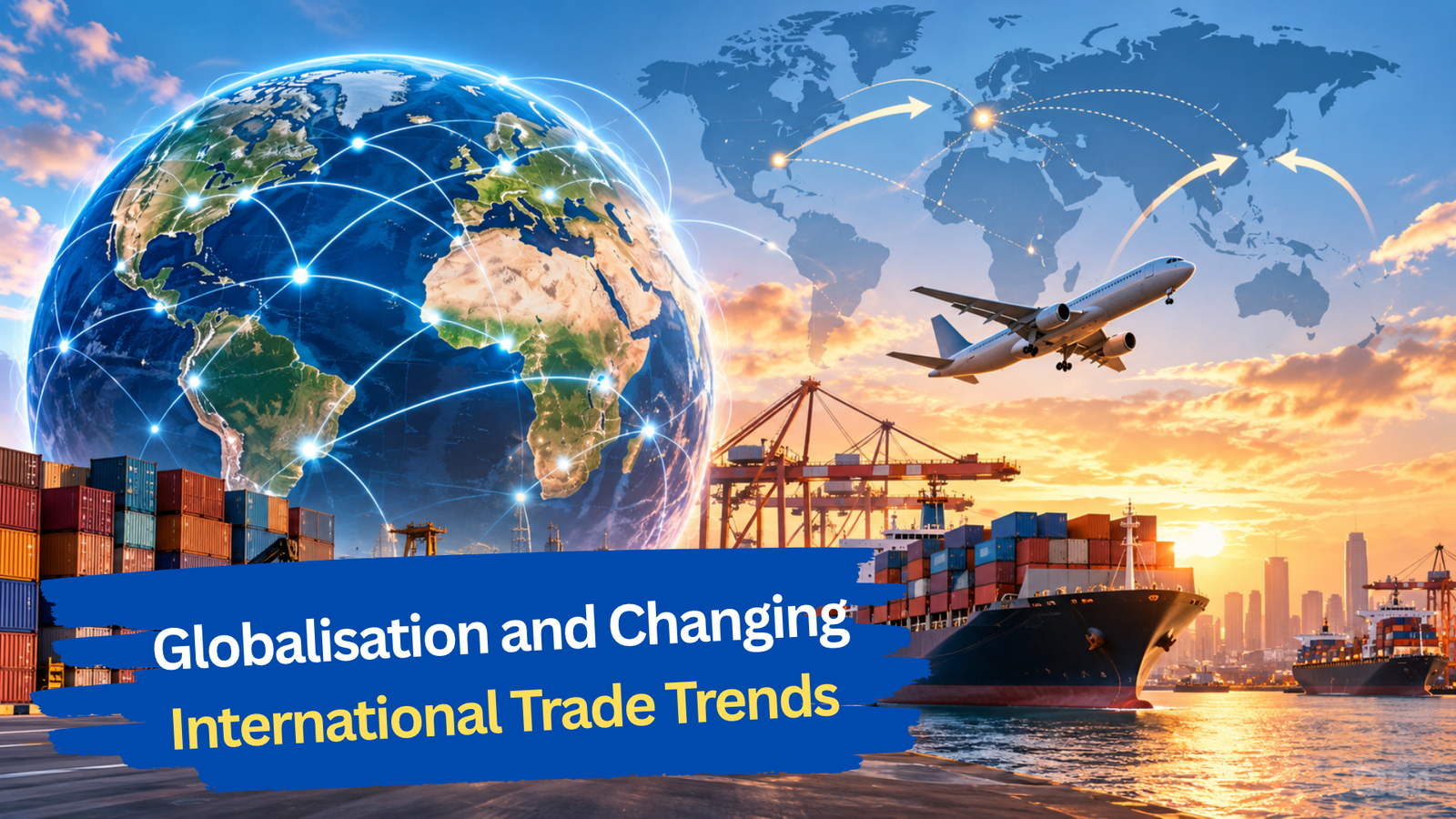
Globalisation has linked up businesses, manufacturers and consumers in various countries. They can source raw materials from one area, produce goods in another and send them out to customers all over the globe.
This international network allows to have access to larger markets, specialised suppliers and new business opportunities.
But, trade policies and tariffs, geopolitical tensions and economic uncertainty also impact international supply chains. These factors can contribute to the cost of goods and delay in goods transportation.
Consequently, there has been a growing re-thinking of sourcing and manufacturing for many businesses. Some are diversifying suppliers while some are bringing operations nearer to their key customer markets.
It is apparent that the future supply chains will require a mix of flexibility and regional cooperation along with the benefits of globalization.
6. Supply Chain Resilience & Risk Management
A key takeaway from global turmoil in recent years is the need for supply chain resilience. Unforeseen events like natural disasters, transportation issues, political disputes or lack of required materials can hinder businesses.
A resilient supply chain should be able to anticipate disruption and return to normal operations as soon as possible.
Supplier diversification, alternative transportation routes, safety stock and improved risk monitoring systems are becoming a major concern for companies. These strategies ensure businesses can avoid relying on just one supplier or location.
Better communication and instant information sharing also makes it possible for companies to detect possible issues earlier.
Whilst cutting costs is an important part of modern supply chain management, reliability, flexibility and stability must be included.
7. Cyber security and future challenges in supply chain management
Cybersecurity is becoming a crucial business priority as supply chains are becoming more digitally connected. Businesses share vast quantities of data via digital channels, supplier networks and connected devices.
Business operations can be disrupted and it can impact many organisations in a supply chain in the event of a cyberattack, data being stolen or a system failure.
Companies must have secure digital infrastructures, tight access controls, frequent system updates and staff cybersecurity training to minimise these risks.
Other future challenges are increasing transport charges, the lack of labour, and technological investment needs, as well as fluctuating environmental laws.
New technologies like digital twins, cutting-edge robotics, and intelligent supply chain platforms could open new doors. But these developments will require good planning, trained staff and responsible technology management to take advantage of them.
Conclusions: Future of Global Supply Chains
The revolution in the international supply chain is a significant change in how businesses operate and relate with international markets. Advancements in technology, AI, automation and sustainable practices are opening up new opportunities to enhance efficiency and complex operations.
Meanwhile, businesses face critical issues like cyber security risks, geopolitical unpredictability, and environmental obligations and unforeseen disruptions.
The success of the future of supply chain management will rely on the capability of businesses to integrate with the innovation of technology and flexibility, sustainability and risk management.