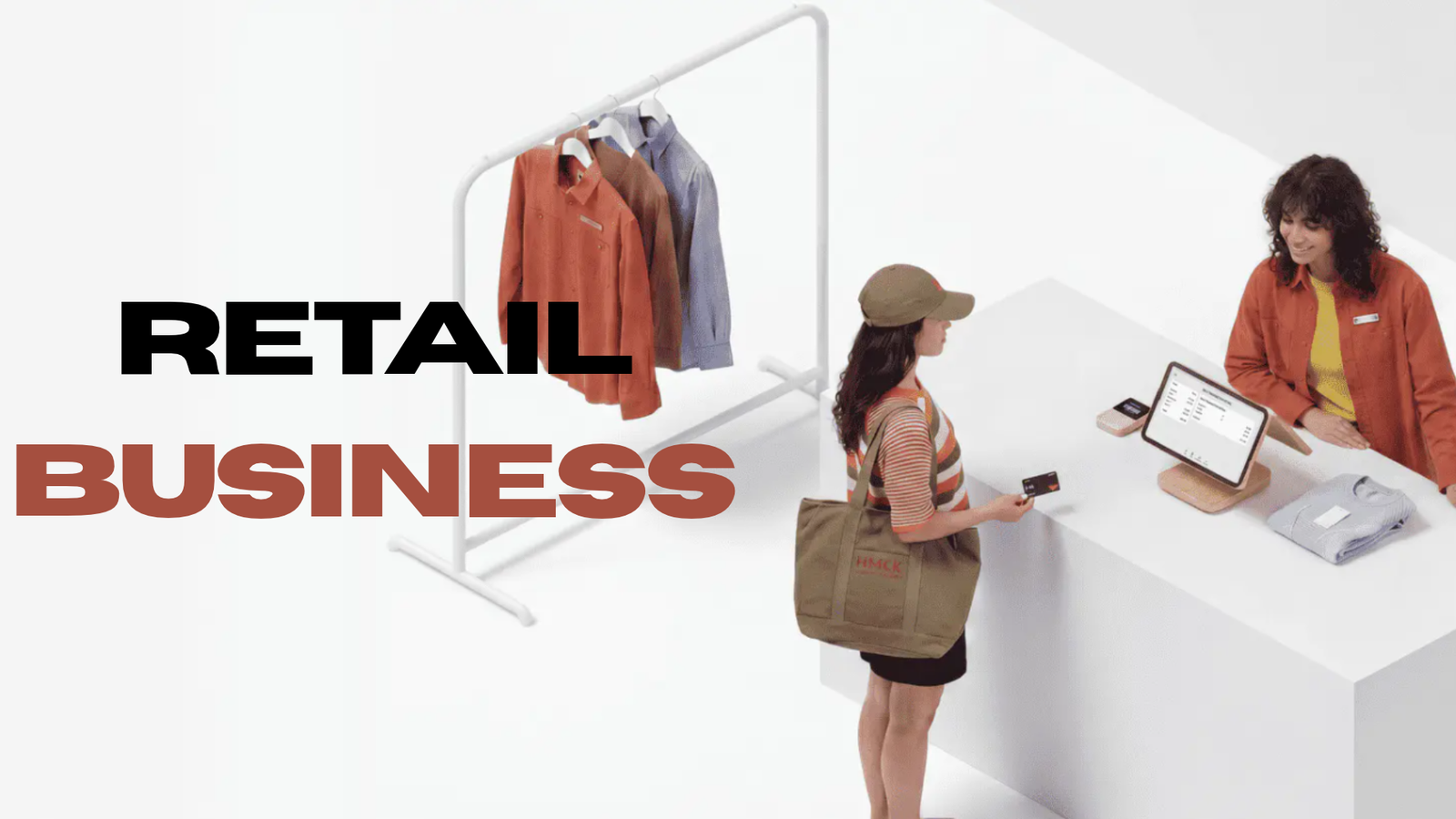
Retail is a fast-changing sector that is being transformed by technology, digital platforms and shifting customer expectations. Companies are now exploring new methods in reaching their customers and enhancing their services, whether it is a conventional store or online marketplace.
Today's consumers demand convenience, personalized experiences, competitive prices and quick delivery. To satisfy these demands, retailers are turning to new technologies, optimizing their supply chains and considering sustainable business practices. These are leading to new opportunities and challenges for the global retail industry.
1. The Omnichannel Shopping Trend is on the rise
Omnichannel shopping is the fusion of online and offline shopping. They can browse products online, shop at bricks-and-mortar shops and finalize transactions via mobile apps or web pages.
Retailers are launching services like click-and-collect and flexible returns.Retailers are launching services like click-and-collect and flexible returns. This will make shopping more convenient and provide flexibility for the customer. Retailers who effectively leverage digital and physical stores can enhance customer satisfaction and loyalty.
2. The shopping experience is changing with the use of technology
Technology is driving the speed, intelligence and efficiency in retail. Retailers are transforming the way they do business with mobile payments, self-checkout systems, automated warehouses and digital inventory tools.
Artificial intelligence and data analytics enable businesses to comprehend customer preferences, anticipate demand and suggest products. Another AR use case is this: a consumer can try a product virtually or visualize how a piece of furniture would look in their space before buying it. The improvements are making things easier for consumers, and more efficient for retail businesses.
3. E-Commerce and Social Commerce Are Growing
With the advent of e-commerce, people can shop from the comfort of their homes and get the products delivered to them. Users can compare products, read reviews and buy products on websites, online marketplaces.
Other social media, like Instagram and TikTok, also have grown, with product discovery seamlessly intertwined with shopping. Videos, influencer suggestions and live shopping reach new audiences for brands. Retailers who integrate content that is both engaging and secure with payments and delivery that is reliable can enhance their online presence.
4. Personalization and Evolving Consumer Expectations
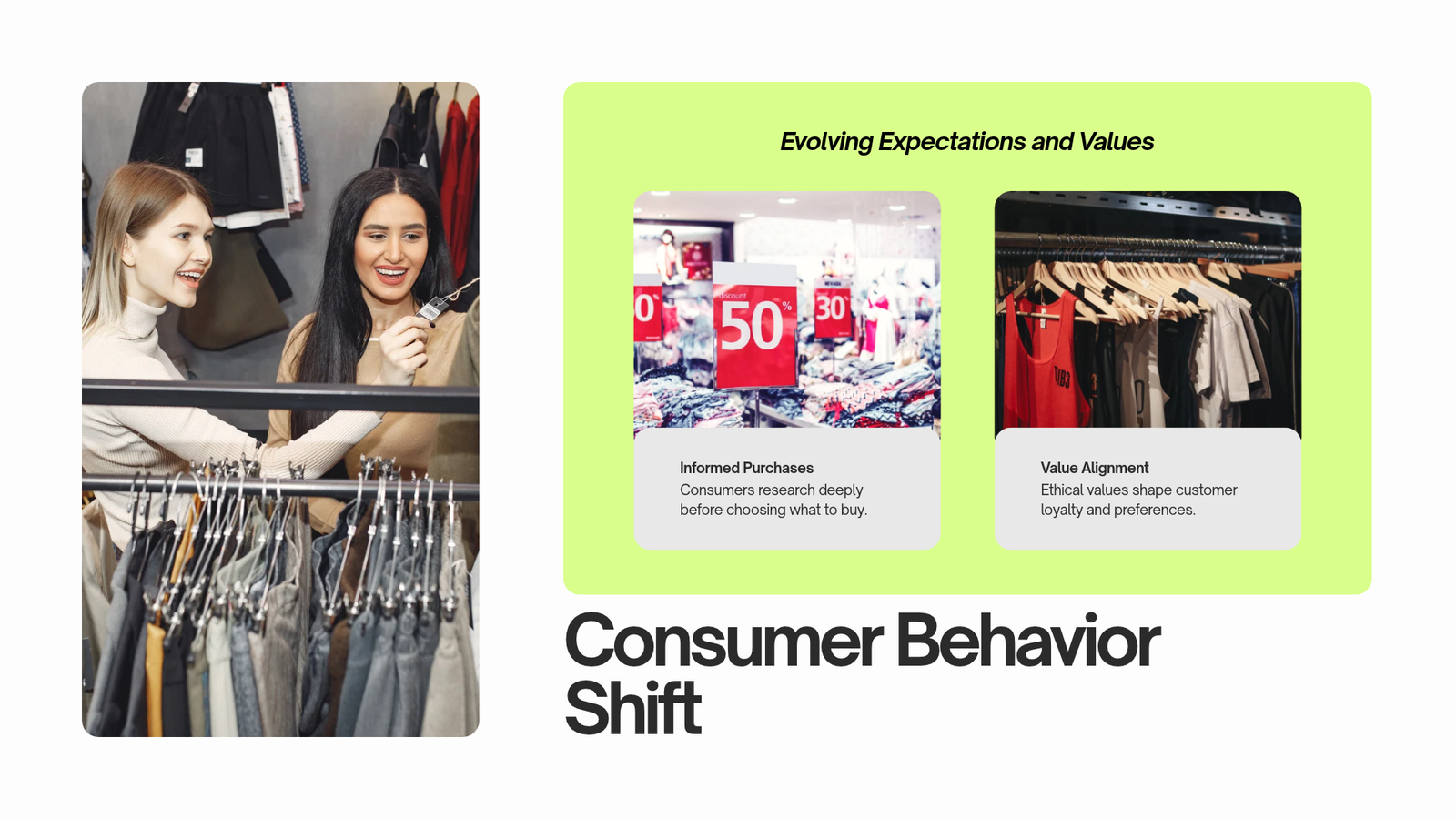
Today's shoppers want shopping to be like them. Customers' likes and dislikes, and their shopping behavior, are utilized to offer pertinent tips, custom-made offers and services to retailers.
But privacy and data protection is still important. Other factors that are important to customers include fair pricing, high-quality products, hassle-free returns, and customer service. Companies which are aware of these expectations and gain customer trust are likely to establish long-term relations with customers.
5. Sustainable Retail and Responsible Consumption
Sustainability is now an integral aspect of today's retail landscape. Businesses are using recyclable packaging, responsible sourcing, stores using less energy and waste reduction.
Also, the second-hand market, product rentals, and goods refitted are coming to the fore. These methods can also help to minimize waste and offer alternatives that are more cost-effective. Retailers can build their brand's reputation and appeal to eco-conscious shoppers by adopting sustainable measures and being transparent about their efforts.
6. Supply Chains, Delivery and Retail Operations of the Future
To be a successful retailer today, having efficient supply chains is a must. Retailers are urged to enhance their logistics to meet the customers' fast delivery, tracking and convenient return requirements.
Companies are investing in warehouse automation and inventory management as well as flexible delivery networks. But costs of transportation and disruptions in the supply chain are serious obstacles. Reliable supplier relationships and flexible distribution chains will help retailers cope with future demand.
7. Opportunities and challenges for retail businesses moving forward
Digital marketplaces, subscription services, resale platforms, and going global are new opportunities in the retail industry. Small businesses have access to more people, and top brands can turn to new markets and income.
But retailers have to deal with increasing expenses, fierce competition, cyber threats and evolving consumer habits. The key to success will be selecting the right technologies, knowing your customers and running your business efficiently. Those who are flexible and adaptable will be more likely to have sustainable growth opportunities.
Conclusion: What of the future for retail
Technology, customer experience, sustainability and innovation will be the key for the future of retail. Increasingly, online and offline stores will cooperate to provide convenient shopping experiences that are connected.
Retailers who target customer needs, who operate efficiently, who are responsible and who use the technology to help can be more competitive in the global market.