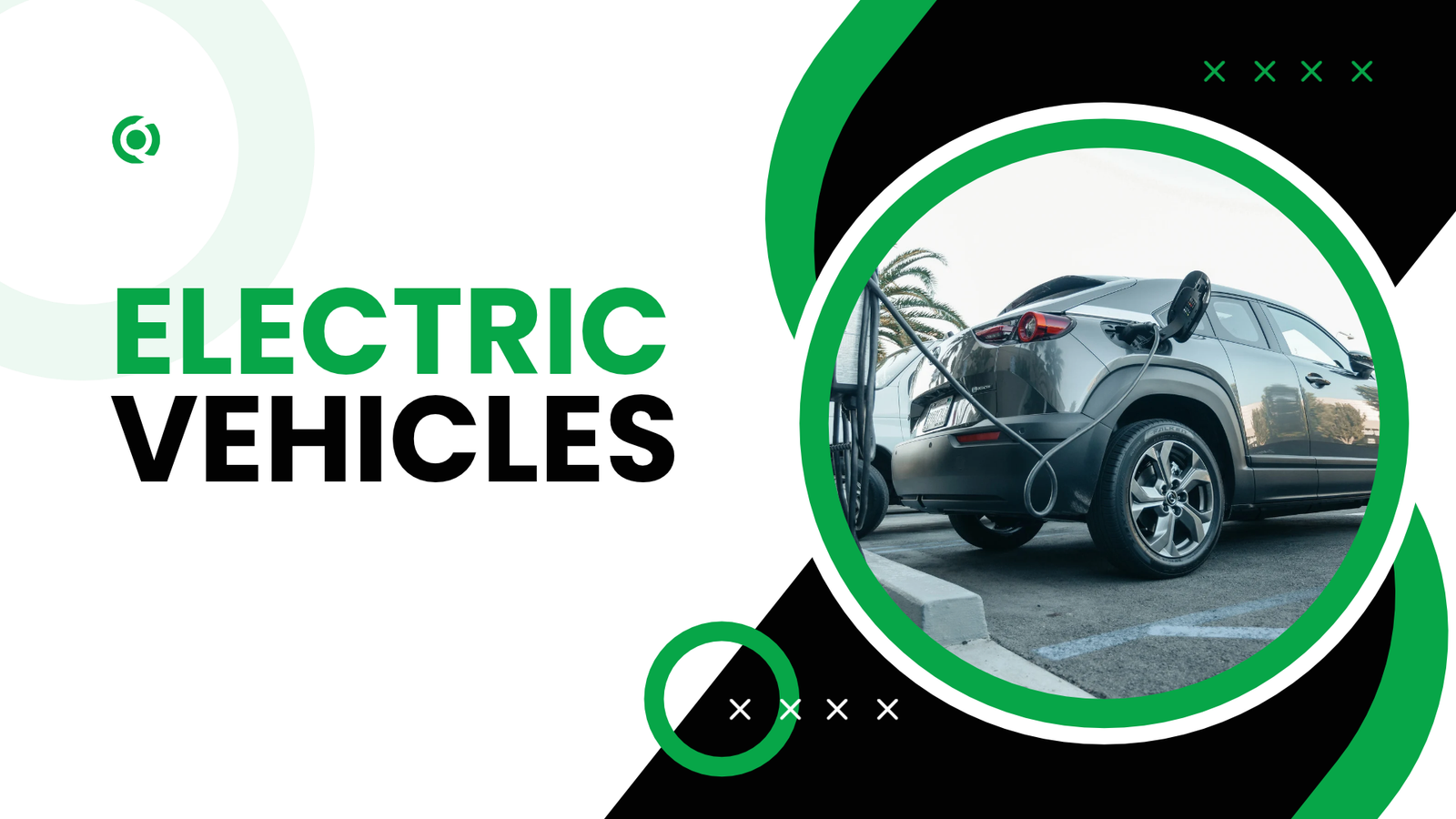
The electric vehicle (EV) industry is revolutionising the global car market. Countries are transitioning toward a cleaner transportation system, and electric vehicles are increasingly a key element of the future of mobility. Several factors are driving this transition, such as the advancement of battery technology, the development of charging infrastructure, consumer adoption of electric vehicles, and increased competition in the automotive market.
The International Energy Agency (IEA) projects that global electric vehicle sales reached more than 20 million in 2025, representing about 25% of the total world sales of new vehicles. The increase in growth indicates that electric mobility is no longer a niche market but a significant player in the automotive industry.
The change also opens doors in other areas other than automotive production. New markets are being created for businesses and investors in battery production, charging infrastructure, renewable energy, vehicle maintenance, recycling and fleet electrification.
What will drive the future of this industry, however? So where will the largest business opportunities be found? It's through the understanding of these trends that we come to an understanding of the importance of electric vehicles in today's global transportation economy.
1. The rapid growth in the global electric vehicle market
EVs are becoming mainstream in the major markets such as China, Europe and the United States. Meanwhile, emerging regions in Southeast Asia, the Latin American region, and others are opening up fresh opportunities for mobility and manufacturing companies.
This growth is due to different reasons from market to market. Others are drawn to the environment, quieter driving, the modern features, and lower operating expenses of EVs. The new models on the market, emissions regulations and policies are also affecting buying.
As existing automotive brands and new car makers compete in electric vehicle sales in various price brackets, competition is growing. This is increasingly offering consumers choice and is bringing electric mobility to a wider audience.
This expansion offers opportunities for companies in the fields of vehicle delivery, financing, fleet management, vehicle charging and specialist automotive parts. A company that grasps the local customers' requirements and presents adaptable, inexpensive, and trustworthy solutions in the expanding market for EVs can be well-positioned to take advantage of the expansion of the EV market.
2. This course covers the basics of battery technology, its applications, and the pursuit of improved performance
The future of EV comes down to battery technology. The capacity of the battery affects the battery's range of use, charging time, weight of the vehicle, performance, and manufacturing costs.
Battery makers and auto makers are developing better lithium-ion batteries, new battery chemistries and new manufacturing methods to boost energy density, safety and cut costs. Solid-state batteries are being considered, too, as they may provide benefits regarding energy storage and charging speeds, but they still have technical and manufacturing hurdles to cross before they are available on a commercial scale.
One of the key advancements is the increasing focus on battery longevity and performance. Improved battery management systems can improve battery monitoring, optimize charging and keep batteries working for longer.
These developments open up business opportunities in the whole chain of the battery supply. There is a potential to explore the battery materials, battery cell manufacturing, batteries testing equipment, thermal management, battery diagnostics, and battery recycling technologies.
But, the production of batteries still relies on raw materials, stable supply chains, and efficient production processes. Those companies that are able to enhance battery performance, reduce costs and environmental impact and still remain competitive in the coming years, are the ones who stand to benefit.
3. The electrification of vehicles has been dominated by the latest installments of Tesla Motors
Widely distributed charging stations are vital to the success of EVs. However, if EV charging is not easily accessible to consumers, it can still affect their buying choices.
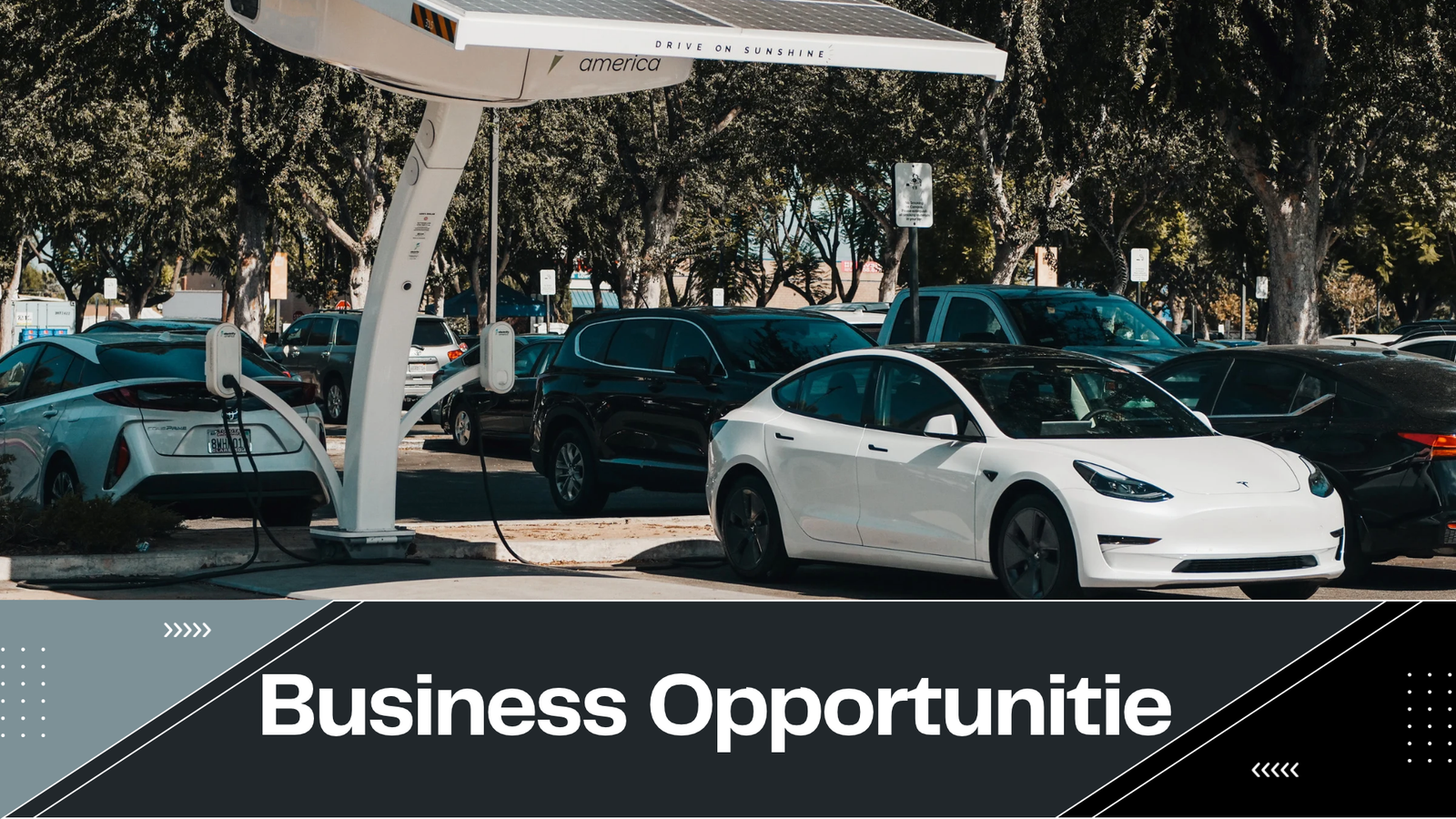
Charging stations are being deployed in commercial vehicle depots, residential buildings, public parking facilities, shopping centres, highways, and in workplaces. Fast charging stations are especially relevant for long distance travel, and home and workplace charging can offer solutions on a day-to-day basis.
This growth is opening doors for companies that provide charging station installation, operation and maintenance services. EV-driving customers can access charging stations while they are building new systems; hotels can promote EV use; and retailers can provide convenient charging stations to extend the stay of their customers.
Companies can also create payment solutions, charging management software, energy monitoring software, and subscription services for charging.
However, it is not easy to build a successful charging network. Electricity price, equipment cost, location, customer demand, grid capacity and utilization of the station are all factors that operators need to take into account.
Sustainable revenue streams can be developed by businesses that offer reliable services, clear pricing, and convenient locations to help solve one of the biggest issues in the industry.
4. New developments in affordable EV and preferences of consumers
One of the most important factors will be affordability to get EV's to mainstream consumers. While the technology and cost of energy are great for most EVs, the initial cost may still be a challenge for those on a budget.
In response, manufacturers are bringing to market cheaper versions, making platforms easier to build, streamlining manufacturing, and tackling various markets. In urban areas, where one might be more concerned with cost and range limitations, and parking access, the smaller electric cars are particularly noteworthy.
Consumers also are looking more closely at the cost of owning a vehicle, not just the price of the vehicle itself. There are a number of factors that affect the financial choice, such as the cost of electricity, maintenance costs, insurance, financing costs, depreciation and battery warranties.
This opens avenues for EV leasing businesses, flexible financing options, used EV sales, battery health assessments, and certified pre-owned programmes.
Automobile dealerships and online marketplaces can also assist customers grasp the differences between electric cars, hybrid vehicles, and conventional autos.
This could include flexibility in payment options, after-sales service, and providing transparent information, all of which could help companies foster consumer trust and promote broader adoption.
5. New business opportunities outside of the car industry
The EV sector is more extensive than the EV car manufacturers. The electric mobility industry is growing, along with an entire industry ecosystem around it.
One promising area is battery recycling, as the recovery of valuable materials from used batteries can help to minimize waste and supply materials for new battery manufacturing. Batteries that are no longer fit for their original automotive use could be reused for second-life energy storage or refurbished for new use in the same vehicle or within the energy storage system.
Fleet electrification represents another opportunity. Electric vehicles offer delivery companies, taxi firms, rental companies and corporate fleets a good way to manage energy and maintenance costs. This benefit is subject to the conditions of use, charging availability, electricity costs, and operating conditions.
Increasingly, software and digital services are gaining ground. Fleet monitoring, charging control, route planning, battery diagnostics, and vehicle maintenance scheduling are all possibilities for businesses to create tools to monitor their fleets, control charging, plan routes, diagnose batteries, and schedule maintenance.
Specialized repair workshops, distribution of charging equipment, EV insurance, automotive consulting, and employee training are other options.
The most appealing business idea for an entrepreneur might not be the electric car. Rather, it could be addressing a particular market need in the increasingly complex EV value chain and offering a service that customers and manufacturers require.
6. Vulnerability to sustainability, government policies, and global competition
While sustainability is a key factor in the EV transition, the environmental benefits of EVs are dependent on a number of factors. These range from electricity generation, battery manufacturing, manufacturing processes, vehicle life and end-of-life recycling.
EVs do not emit exhaust fumes while on the road, thereby potentially enhancing air quality in the community. Overall GHGs, however, are to a certain degree dependent on the type of electricity used for charging, as well as the production of vehicles and batteries.
This is leading to growing importance of renewable energy usage, responsible sourcing of minerals, efficient factories and battery recycling for industry.
The adoption rate is also affected by government policies. Consumer demand and business decisions may be influenced by emissions regulations, vehicle taxation, purchase incentives, investment in charging infrastructure, and local manufacturing policies. Policies vary greatly across countries and are subject to change.
As the world grows more competitive, automotive supply chains are transforming. China is turning into a major hub for electric vehicle and battery production and European, American, Japanese, South Korean, and emerging-market firms are formulating their plans.
For companies, this presents potential manufacturing regional sites, part supplier possibilities, recycling, logistics and partnership. But, the risks of trade restrictions and supply chain interruptions, and shifting regulations can also arise.
Businesses with competitive pricing and responsible production and flexible supply chains could be better prepared to thrive in this ever-evolving world market.
7. Future Outlook: Challenges and Opportunities for Investors
The future of the EV market appears closely tied to the development of technologies, affordability, charging stations and policy. In 2026, the IEA expects global sales of electric vehicles to be about 23 million, or about 28% of the total car market. This is a forecast and not an actual total year outcome.
However, a number of challenges lie ahead for the industry. The prices of battery materials may change, charging stations need considerable investments, and manufacturers need to deal with high competition. The uptake of the vehicle may also be slower in some markets due to limited infrastructure, vehicle costs or alterations in government support.
Investor opportunities span a number of sectors including the established automotive companies, battery suppliers, charging network companies, electrical equipment manufacturing companies and recycling companies. But, not every company is a profitable business if industry is booming.
Investors should review a company's financial situation, manufacturing strengths, market share, technology, supply chain, and ability to create sustainable profits. They also need to think about valuation and the fact that new technologies and/or new companies could make a strong company less competitive.
Entrepreneurs ought to figure out what services they may be able to provide that people in their community need, test the business idea and start small with a specific service before branching out. Unlike vehicle manufacturing, some aspects of charging installation and fleet electrification may be easier to enter into than battery diagnostics and specialist maintenance.
The companies that will be most likely to prosper will be the ones that will have the ability to resolve real customer issues, control costs and adapt to the ever-changing electric mobility market.
Conclusion
The EV industry is transforming the ways people get around, businesses run and manufacturers compete. The rise of technology in batteries, proliferation of charging station networks, increased consumer interest, and the emergence of services are opening up new avenues throughout the global automotive industry.
The opportunities are not just about the sales of electric vehicles. Key elements of the electric mobility ecosystem that are gaining importance are battery recycling, charging services, fleet management, vehicle financing, software and specialist maintenance.
Meanwhile, companies have to face hurdles like high setup costs, and uncertainty in the supply chain, new regulations and heavy competition. Success will not be achieved by just being part of a rapid expanding market. It will take good planning, good technology, customers-focused services and knowledge of local demand.