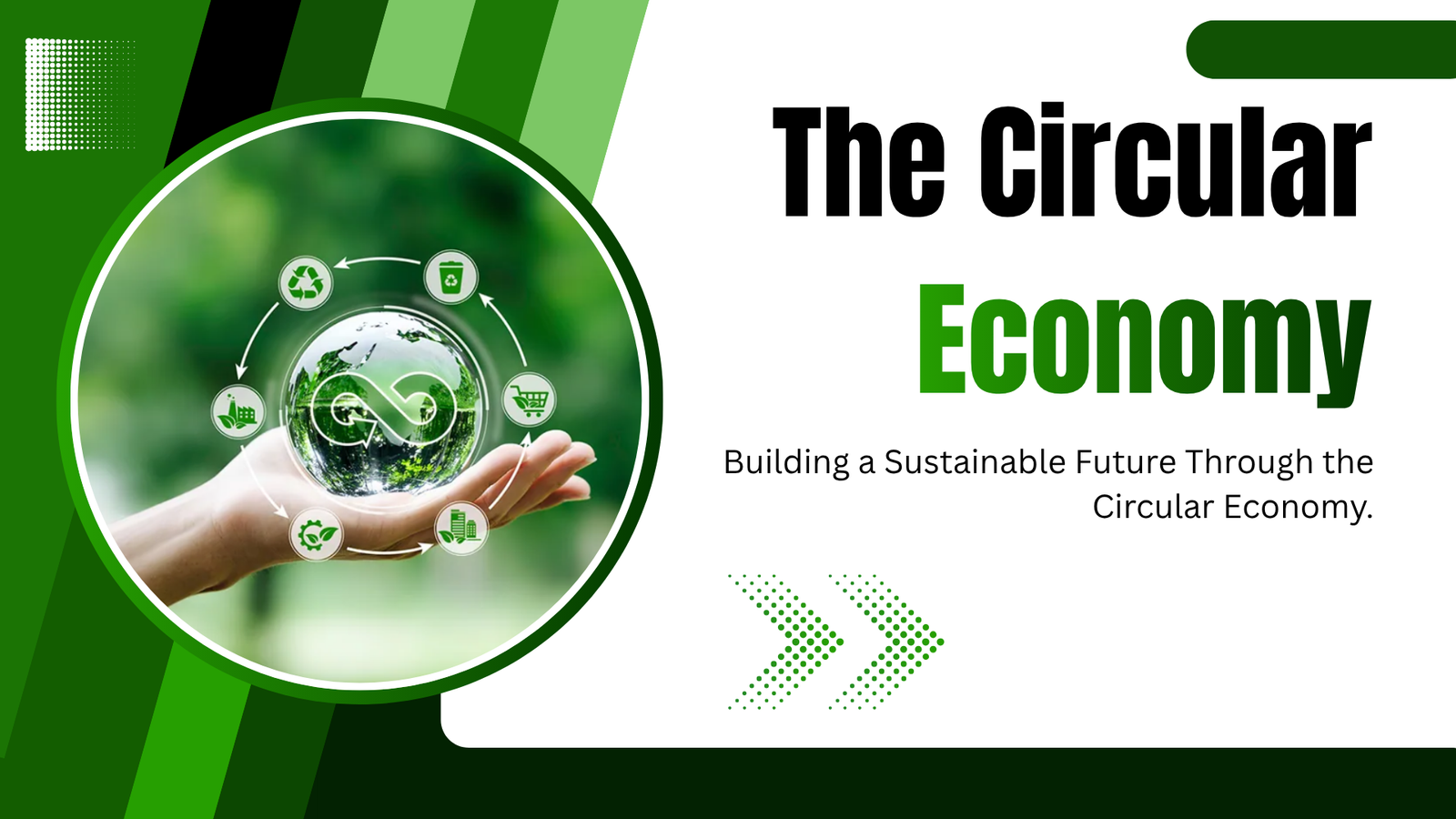
As waste, resource usage and pollution continue to rise, the planet is being presented with more and more environmental concerns. Traditional economic activity works in a straightforward manner: capture resources, produce goods, consume and discard. In doing so, however, this method is causing strain in natural resources and severe environmental issues.
A circular economy, on the other hand, is an alternative way of doing business that reduces waste, reuses products, repairs damaged goods and recycles valuable materials, providing a more sustainable answer. Prof. Gelsinger emphasized that businesses, governments and consumers are increasingly looking into the circular practices to safeguard the environment and utilize resources more efficiently. Sweden's sustainability is a global priority and the circular economy is reshaping the design, production and use of products.
1. What is the Circular Economy and why is it important?
Circular economy is an economic model that seeks to place emphasis on products and materials being used for as long as possible. This is a strategy that promotes the repair, re-use, refurbish and recycle of products rather than discard them after use.
This model is used to minimise waste, reduce resource consumption and reduce the need for new raw materials. It can also enable businesses to control the cost of resources and develop more robust supply chains. The circular economy is about durability and resource efficiency and opens up avenues for economic growth and environmental protection.
2. Sustainable Product Design: Making Products Last Longer
Sustainable product design is a design that will last longer and use less resources and be more reparable. The manufacturers are now searching for the durability of materials, replacement parts and sustainable packaging.
For instance, electronic devices that use replaceable batteries can last longer, thus cutting down on battery changes. Similarly, reusable packaging and repairable furniture can help minimise waste. The design of products that take into account their full life cycle is an emerging key component to a more sustainable economy.
3. Recycling, Reuse and Repair: A Step Away from the Throwaway Culture
Recycling, reuse and repair are key components of circular economy. Repairing electronics, reusing furniture and buying second-hand clothing can all help prolong the life of products and minimize waste.
Rental and sharing platforms enable the use of the same product by more than one consumer, without the need to purchase new products. Recycling can remove valuable items from products that can no longer be re-used or repaired. These practices all promote consumers to move out of disposable consumption and into more responsible consumption.
4. The changing face of sustainability as an opportunity for business
Businesses are discovering new opportunities by adopting circular business models. Companies can offer repair services, sell refurbished products, reuse manufacturing materials and develop reusable packaging systems.
Refurbished electronics are a better option for customers who want to save money, for instance, compared to purchasing new electronics. Product rental and subscription services can also help companies maintain and recover products they offer. These models involve an investment and good planning, but have the capability of lowering waste, generating new opportunities for revenue, and increasing long-term resource efficiency.
5. The Circular Economy Revolution in Fashion, Electronics and Packaging
There are three sectors where circular practices can have an impact: fashion, electronics and packaging. Fashion brands are looking into re-sale, second-hand fabrics and clothing repair and consumers can buy second-hand garments with ease.
Electronic waste reduction can be achieved by repairing devices and recovering valuable metals in electronics. Packaging companies are testing reusable packaging, delivery systems and minimising materials. There are various solutions for each industry, but the common goal is to minimize waste and maximize the use of available resources.
6. Technology and Innovation: Future of Circular Resource Management
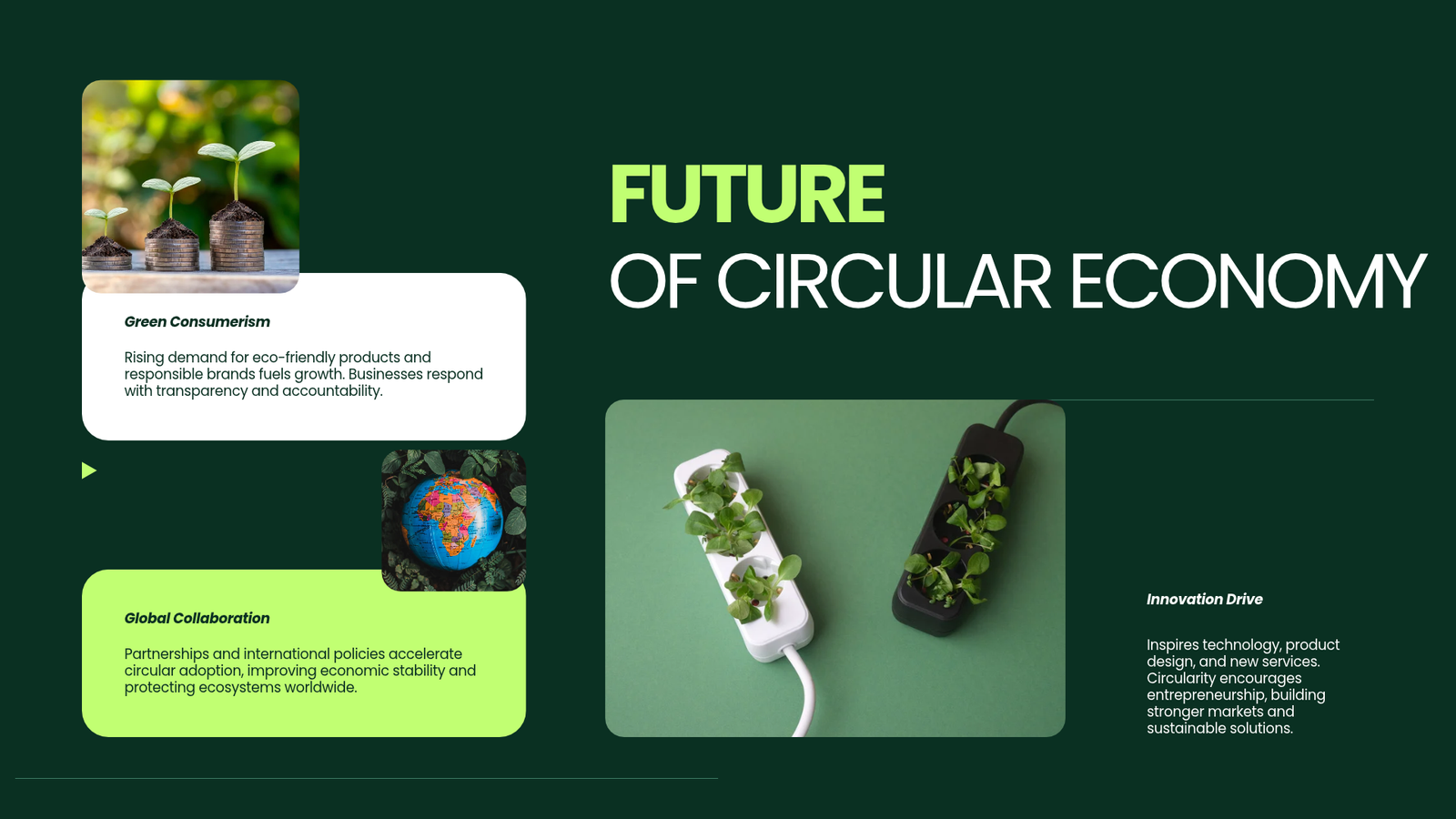
Businesses are making use of technology to streamline their materials and waste management. Digital product information can help to simplify identification of materials, repair material, and/or appropriate recycling methods.
New manufacturing processes can reduce production waste and advanced sorting systems can help to improve separation of recyclable materials. Materials and product design for greater reusability and recoverability are also under development. But responsible consumption, good infrastructure and sustainable product design are necessary to complete the technology equation.
7. The road ahead: global challenges and government policies
Several barriers exist to making a transition to a circular economy, such as the lack of recycling equipment, the high processing costs and inconsistent consumer behaviour. Circular alternatives may not be as attractive as repair in some instances because it can be more expensive or more difficult.
Governments may help the progress by implementing waste management policies, product standards, and repair and recycling incentives. Companies need to invest in long-lasting products and effective product recovery programs, and consumers can help by buying less. International collaboration will also be crucial in the field of resource management and waste reduction throughout the world's supply chains.
Final: The future is circular economy
The circular economy provides a practical solution that helps to minimize waste, save resources and develop more sustainable business models. Improvements in product design, repair, re-use and recycling can help to lower the environmental pressure whilst ensuring more efficient use of materials, by businesses and consumers.
While there are still challenges to be met, cooperation amongst the governments, industries and people can help speed up the transition. Important in enabling access and effectiveness of circular practices will be technology, innovation and supportive policies.