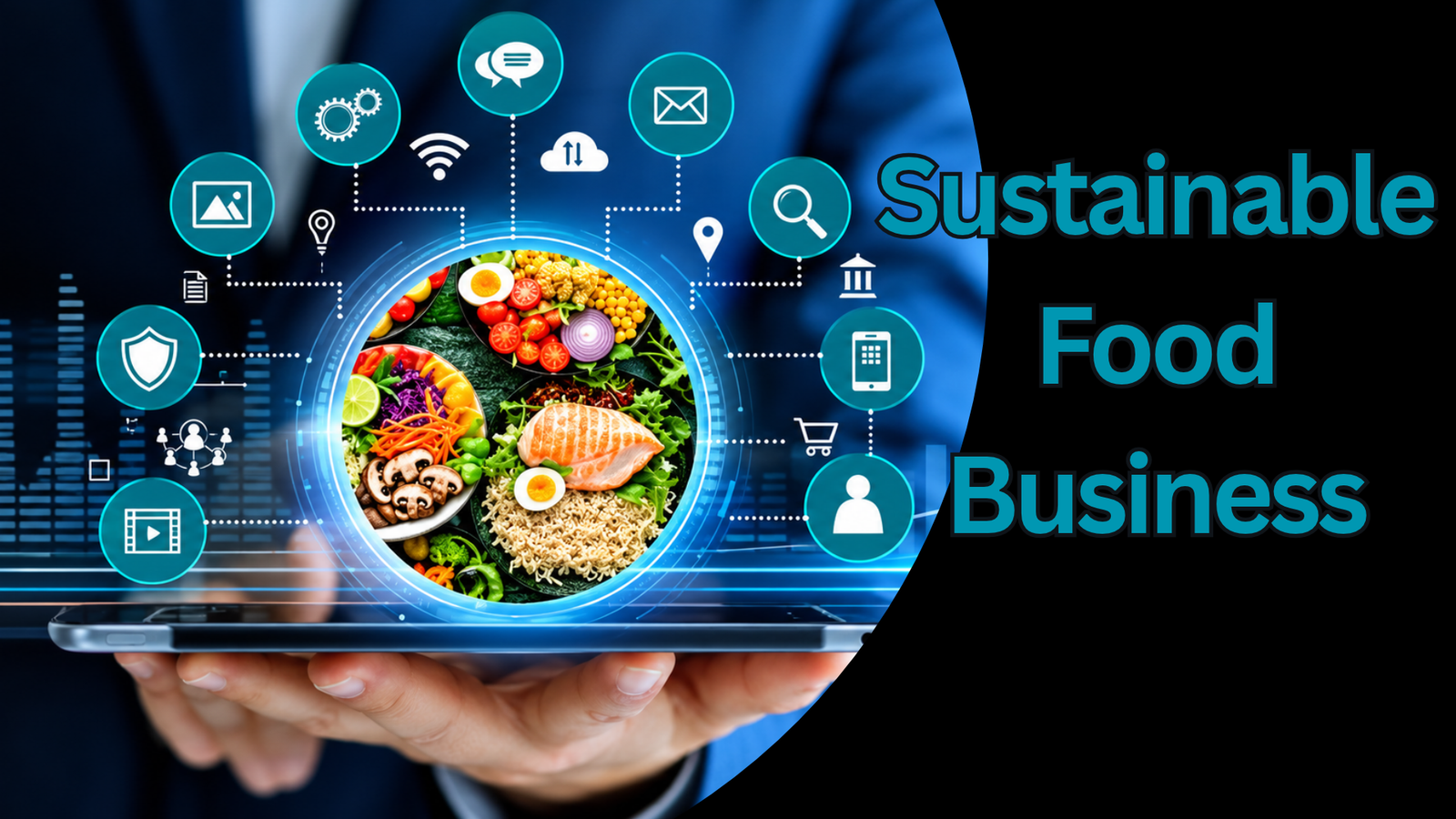
The world food industry is undergoing a major change. Consumers are increasingly aware of the impact of their food choices, the way in which food is produced and eating habits. Meanwhile, companies are increasingly under pressure to cut food waste, manage their resources well, improve and consolidate their supply chains, and create products that satisfy evolving consumer demands.
Sustainable food business is not just the selling of organic products or the use of environmental friendly packaging. It's not merely about sustainability and consumer health but also about innovation and a long-term profit.
From regenerative agriculture and plant-based foods to circular food production and transparent supply chains, new developments are opening opportunities for entrepreneurs, established food brands, restaurants, retailers, and investors.
The food industry is on the verge of transformation in 2026, and sustainability has entered the business landscape. This is no longer the question of increased food production, but how it is produced, distributed and consumed in a more responsible way, with lasting economic value.
01. Sustainable Food Businesses are building momentum for a number of reasons
The emergence of sustainable food enterprises points to a number of interconnected shifts in the economy around the world. Climate change, volatile farmers' input prices, limited resources and shifting consumer expectations are driving companies to consider new strategies for food production.
Consumers are increasingly seeking assurance of quality, convenience, nutrition and sustainability benefits in products. But being responsible to the environment is not enough to make a business successful. Customers also want good value, good taste, availability and transparency on ingredients.
This generates a chance for businesses to offer merchandise variations that aren't just a marketing ploy, but a true improvement.
Sustainable food companies can add value by taking a responsible approach to the ingredients they use, minimising waste packaging, optimising energy usage, avoiding food waste and supporting agricultural communities. These practices can be embedded in the normal operations of the business and work to enhance business resilience and environmental performance.
2. How to Keep the Bite on Climate Change in 2026 and Beyond?
The sustainable food industry is growing in various segments. This is especially important for companies thinking about new product development, entering new markets, and/or modifying business approaches.
Sustainable agriculture is about soil health, water and biodiversity. Therefore, there is a move towards the use of plant-based foods, alternative proteins and fermentation-based ingredients for providing businesses with more affordable, nutritious food options. They are also minimizing food waste, by converting food-processing by-products and surplus produce into useful products. Another key trend is the use of eco-friendly packaging, including those that are recyclable and reusable, as companies strive to minimize the environmental footprint of food packaging.
Selected crops are being grown nearer to consumers through vertical farming, hydroponics and urban agriculture, which faces challenges of energy cost and market demand. Meanwhile, businesses are enhancing their supply chain transparency through the monitoring of the origin of ingredients, farming practices and supplier standards. These activities can enhance food safety, consumer confidence, waste reduction and more sustainable and resilient food systems.
3. Innovation is transforming Sustainable Food Production
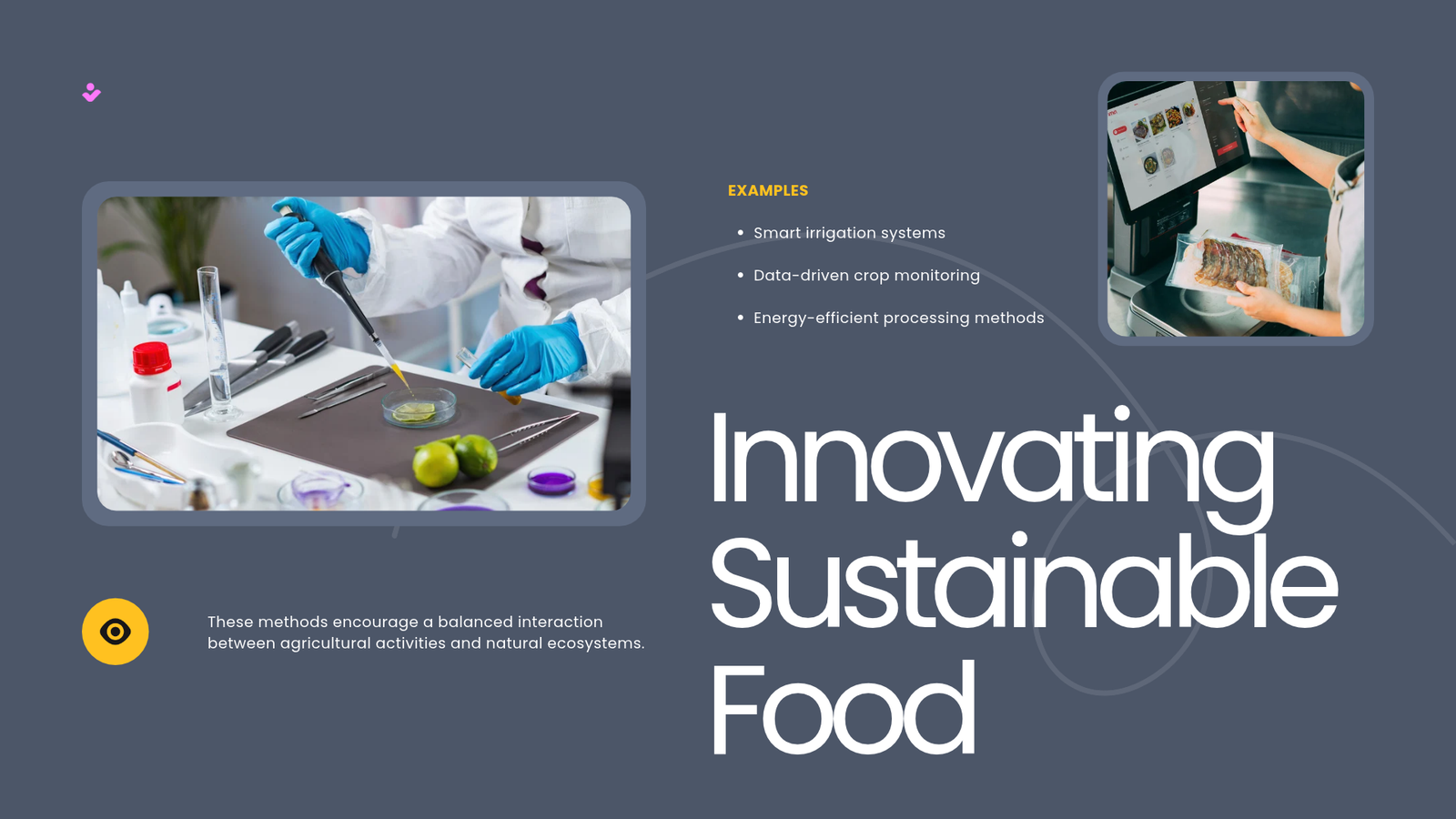
Food businesses are responding to commercial requirements as they address environmental challenges by using innovation. New food processing, agricultural, packaging, and ingredient technologies can help to increase efficiency and provide new market opportunities.
Precision fermentation is an alternative method for producing food ingredients, including proteins and enzymes, through the use of microorganisms to produce a specific ingredient. Water, energy, storage and production efficiency monitoring is also a feature of smart monitoring systems that businesses are implementing. Better refrigeration, packaging and preservation methods can extend the shelf-life of food and minimise food losses throughout the supply chain.
Circular food manufacturing is about using food waste and food by-products as resources to create value and avoid waste. For instance, for fruit processing, the waste can be processed to produce fibre rich ingredients, or some agricultural wastes can be composted. They can help minimize waste and maximise the use of resources, but businesses have to ensure the materials recovered are safe, inexpensive and usable.
4. The emergence of Conscious Consumers and shifts in eating habits
The behaviour of consumers is increasingly influencing the sustainable food business. There is a growing awareness of nutrition, food sources, packaging waste, agriculture, and the impact of people's dietary choices on the environment.
These dialogues have an impact on the customers' valuation of food brands, but there are also country-specific differences in customer priorities both between countries, income groups, and age groups.
These preferences are key for food businesses to know. Product success requires an acceptable taste/flavor, quality, price, convenience, and credible environmental benefit.
5. The Sustainable Packaging and the shift towards Circular Business Models
Packaging is among the most visible aspects in which food businesses can make their sustainability pledges. While traditional packages are good in preventing food from spoiling, too much packaging waste and poor waste management systems can pose environmental issues.
Packaging companies are investigating new packaging based on recycled materials, reusable containers, fibre material or other alternatives that are appropriate for specific products.
But the selection of sustainable packaging is not just about switching materials from plastic to paper. All of these factors must be taken into consideration with regards to food safety, moisture resistance, transportation weight, durability, recyclability, and energy used to produce.
6. Business opportunities in the sustainable food industry
As the food system moves toward a more sustainable future, there are opportunities for new business ventures and existing enterprises. The best model will be based on local demand, production capacities, supplier availability and the capacity to control costs.
Sustainable food businesses can solve practical issues and generate new revenue streams. A restaurant that takes steps to minimize the amount of food waste will likely have a lower food cost. If a retailer has good supplier relationships, they could enhance the consistency of their products. Food manufacturer which recovers useful by-products can create other useful products from the same resources.
The best business opportunity is generally when a sustainability improvement addresses an obvious customer need or makes operations more efficient.
7. The role of digital platforms in sustainable food business
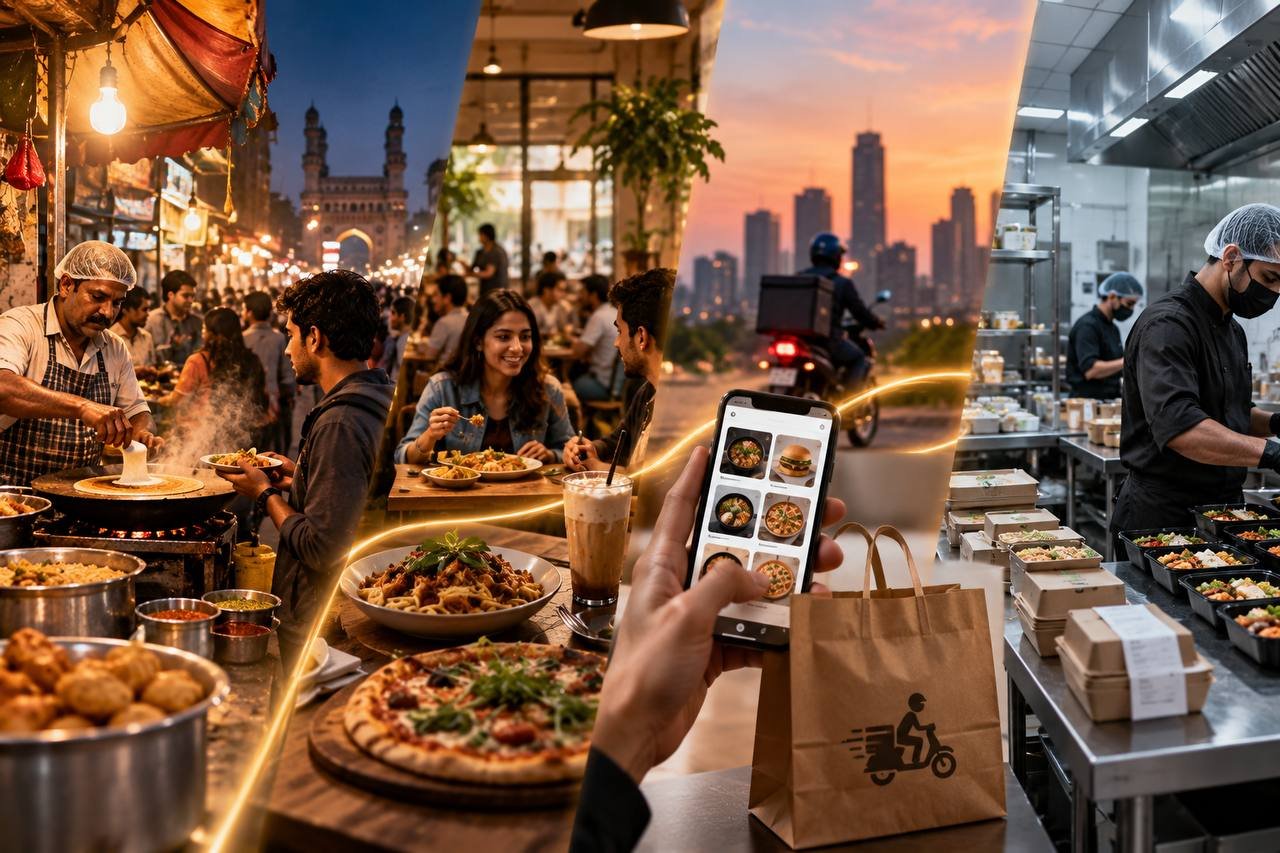
Digital platforms are revolutionising the marketing, stock management and messaging of sustainable food businesses. Small producers can market their products through websites, online grocery stores, social media, and subscription services to extend their reach beyond their neighbourhoods.
E-commerce platforms provide farmers and food brands the opportunity to directly reach consumers, strengthen relationships and learn about the preferences of consumers. Behind the scenes videos and genuine social media posts can help engage customers and enhance brand awareness through transparency. Digital inventory systems can further help businesses to monitor inventory, forecast demand, manage procurement, and manage food waste, particularly with fresh and perishable items.
In summary, the greatest benefit of a digital tool is when used to achieve a practical business outcome – in this case, to improve customer access, reduce waste, make things transparent and make things more efficient.
8. What lies ahead for sustainable food ventures?
The combination of environmental responsibility, food innovation, consumer health, and economic resilience are likely to influence the future of sustainable food business.
Several key trends are anticipated for 2026, such as the growth of regenerative agriculture, diversified protein sources, enhanced supply-chain traceability and transforming food-processing by-products into valuable resources.
Food businesses may emphasize more resilient farming, water resource and efficiency, and climate change adaptation in the near future. Companies will seek to optimise the reduction of food waste, by-products recycling, and a greater variety of plant-based and fermentation-based proteins. More transparency in sourcing and production will also be relevant and businesses that offer sustainable, good quality food at affordable prices may be more attractive.
The pace of these changes will be different across countries and markets. There will be some innovations that will grow fast, others that will have technical, financial, and/or regulatory barriers.
The sustained opportunity is to put sustainable practices in to practice, and make them measurable and commercially viable.
9. How to Measure the Success of a Sustainable Food Business?
Entrepreneurs looking to join this market should start by recognizing that there is a real need for customers, not just something that's going on trend.
Begin by finding out what customers want: sustainable groceries, plant-based foods, food-waste solutions, eco-friendly packaging, etc., and learn about what your competitors are doing. Select a realistic business idea for example, product manufacturing, direct to consumer product sales or a business to business service. Develop trustworthy supplier relationships and validate product attributes like quality, safety, and sustainability. Start offering a limited selection of products or services, collect customer feedback and work out all costs. When the business has established a positive and consistent demand and profit, monitor the environmental effects and slowly grow.
A robust food business is not required to change the food system right from the get-go. It must address a real-world challenge, show tangible benefit, and create a scalable plan that can be responsibly expanded.
Conclusion
Businesses that are able to balance environmental sustainability, consumer satisfaction and profitability will define the future of food business in a sustainable way. The global food industry is opening up new opportunities through the use of regenerative agriculture, alternative proteins, circular production, improved packaging and transparent supply chains.
However, innovation will not make the difference between businesses that fail and those that thrive. These food and operational characteristics – affordability, taste, quality, food safety, reliable sourcing and effective operations – will continue to be important.
The opportunity for entrepreneurs, established brands and investors is not to talk the talk about sustainability, but to take action on it as a real business tool to be used in real business decisions.
Businesses that can come up with innovative, trustworthy and marketable solutions will have a better chance at competing in coming years as consumer needs and demands continue to change, and resources become scarce.