

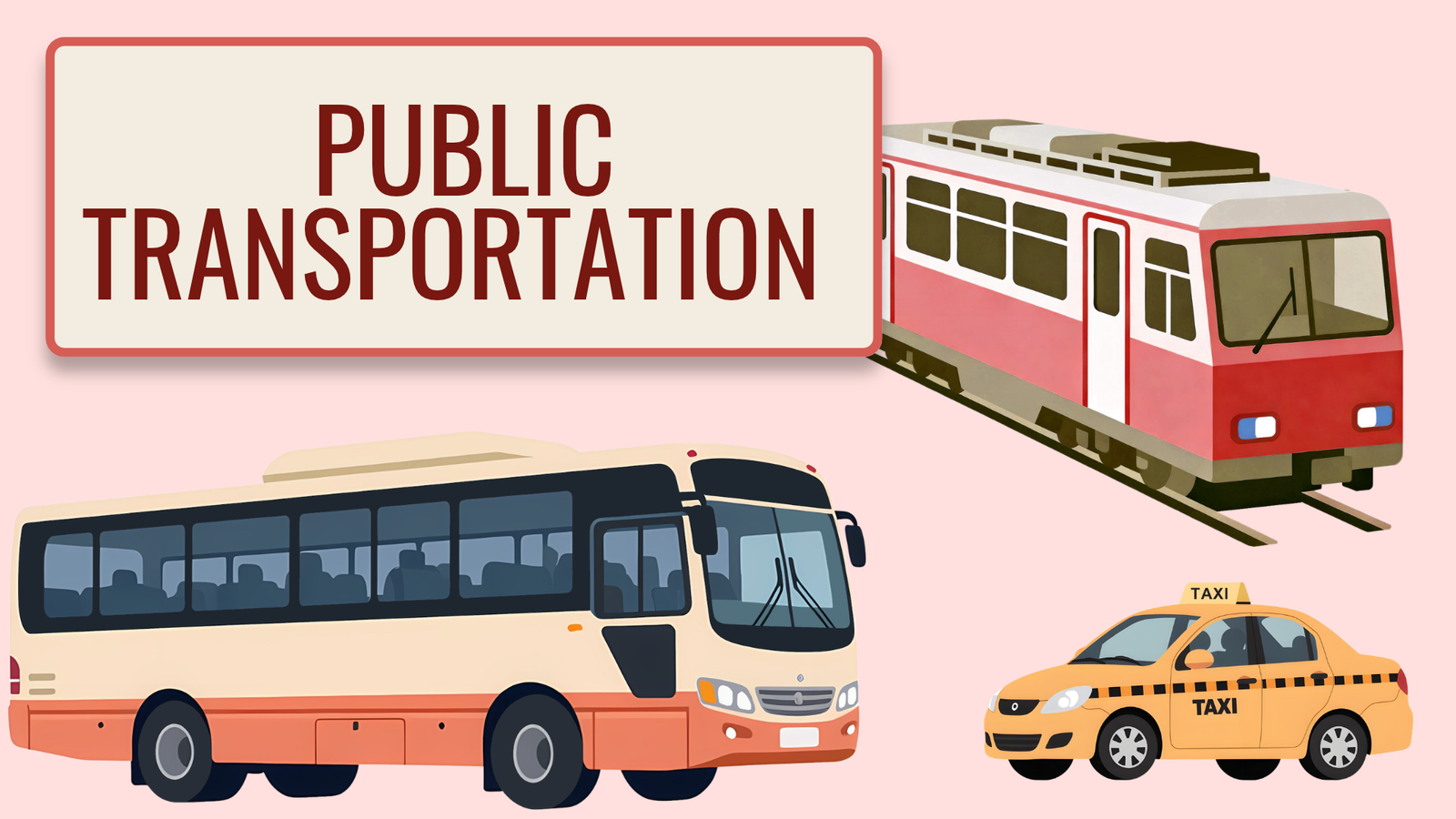
The public transportation system is evolving and cities are searching for alternative methods of moving people in a quicker, cleaner and more efficient manner. The increase in population numbers, traffic congestion and the environment are driving a transition to ‘modern mobility'.Population growth, traffic congestion and environmental issues are leading to ‘modern mobility' of the traditional transport system.
But the electric Bus, the autonomous vehicle and innovative ticketing and advanced rail systems are ushering in a new era of mobility. The innovations provide easier travel options and contribute to the sustainable city development.
1. The public transportation system has developed throughout the years
The world of public transport has shifted from conventional buses and trains to integrated transport systems. Modern cities are integrating metros, buses, bikes and shared mobility to facilitate and improve daily mobility.
The use of digital technology is also enhancing the journey with real-time updates and the automatic planning and scheduling of routes. These advancements are aiding cities in developing more dependable transportation networks.
2. Electric buses and sustainable transportation
Electric buses are gaining significance to a sustainable public transport system. During operation they emit no exhaust emissions and they also offer the advantages of noise and air pollution reduction in crowded cities.
The technology of batteries and charging systems are getting better and making e-buses more viable. They are a cleaner option than conventional diesel vehicles, but are difficult to get off the ground when it comes to initial investment.
3. Autonomous Vehicles and Smart Mobility
Self driving buses and smart shuttles are potential applications of autonomous vehicles as new ways of public transport. These cars are equipped with cameras, sensors and sophisticated software to drive on roads that are not under full human control.
They can offer flexible transport and enhance interconnection between neighbourhoods and the main stations. But for widespread adoption, safety, regulations and public trust need to be taken care.
4. High-Speed Rail and Modern Metro Systems

The high-speed rail system is enhancing the link between main cities with the increase in speed and comfort. They also offer a substitute for private transport and some short-haul flights, especially if clean electricity is used to power them.
Automated trains and digital signalling as well as improved passenger information systems are also introducing a new sophistication to modern metro networks. The upgrades help to alleviate delays and improve urban travel reliability.
5. Seamless Mobility via Connected Vehicles
Public transportation has become easier and more convenient with digital ticketing! Mobile Apps, Contactless cards and Online passes provide a way for passengers to buy tickets and make journeys without relying on paper tickets.
Real-time travel information also enables passengers to check the arrival, delay and alternative path of vehicles. These services are connected, resulting in a more seamless journey and efficient transport management.
6. AI, Data and Intelligent Traffic Management
AI and data analytics are assisting cities to operate more efficiently with transportation. Smart traffic signals can adapt to varying traffic conditions, and digital systems can help detect traffic jams and optimize traffic flow.
Passenger demand can also be analysed to make schedules and routes more optimal for the transport operators. Predictive maintenance systems can forecast potential issues with the vehicle, lessening unexpected maintenance interruptions.
7. Trends in Transportation Research
Achievement of modernisation of public transport involves a huge investment, infrastructure improvement and effective planning. The issues of accessibility, passenger safety, cybersecurity and affordable services are also matters that need to be addressed in order for cities to improve.
Concurrently, these advances bring opportunities for jobs, technology and economic development. Investing in electric vehicles, railways and smart infrastructure can contribute to a more sustainable transportation sector.
Conclusion: Building a Smarter Future of Mobility
Public transport is going towards a cleaner, smarter and more connected future. New forms of mobility, such as electric buses, autonomous vehicles, digital platforms and modern railways, are transforming the way people move and contributing to city mobility management to handle increasing mobility needs.
While investment, infrastructure and accessibility are challenges, ongoing innovation can help improve the efficiency and sustainability of transportation. Advanced technology together with the daily requirement of passengers becomes the key in the future.