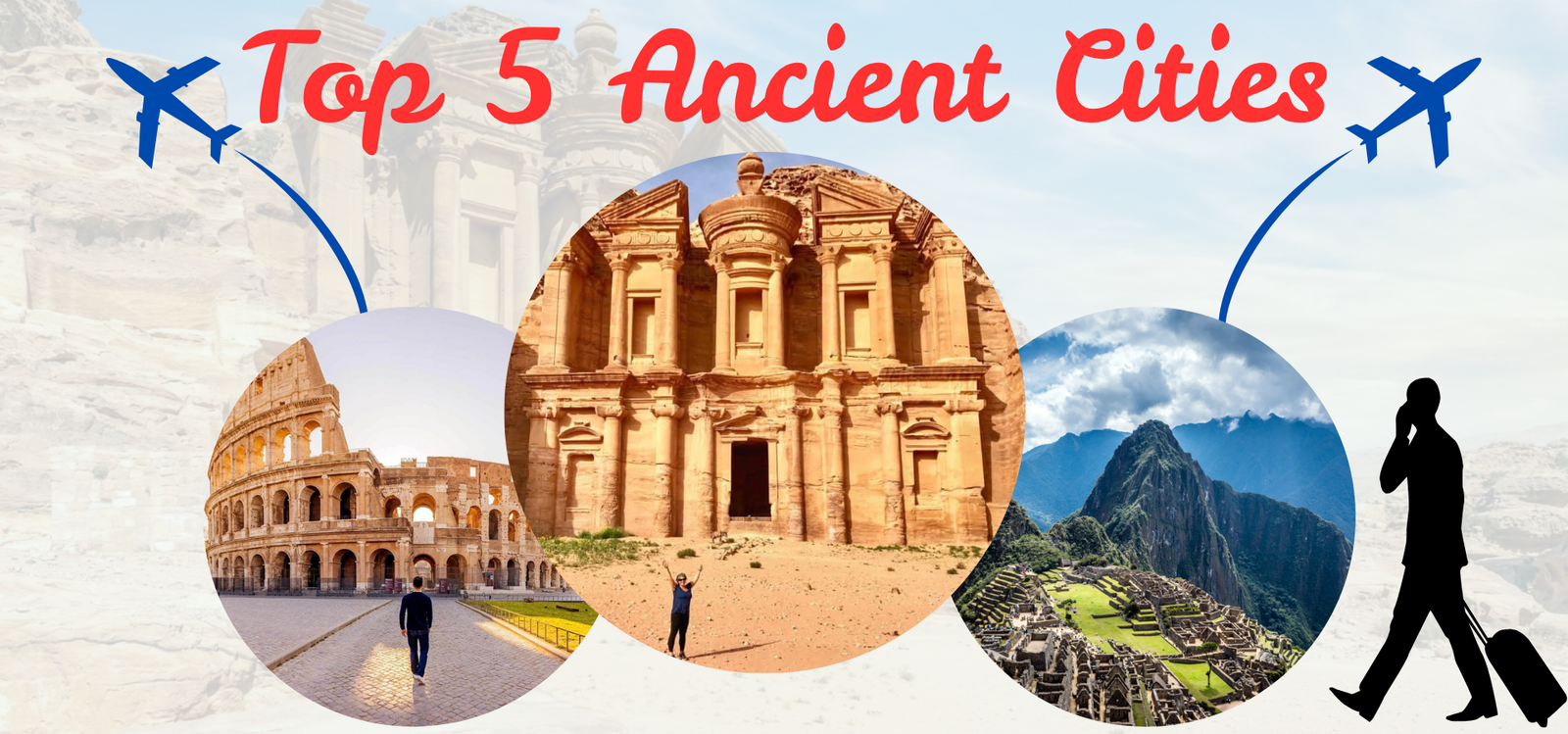
Traveling through an ancient city is more than visiting an old monument. It is an opportunity to walk through places where civilizations once built empires, traded across continents, created remarkable architecture, and shaped the world we know today. From desert-carved temples and mountain citadels to Roman streets and enormous temple complexes, these destinations allow travelers to experience history in a way that books and photographs simply cannot match.
This guide has 5 ancient cities, each with a altogether different travel experience.
The different experiences of each city are manifested in the form of carved stone, imperial streets, mountain architecture, forest temples, and Mediterranean ruins.
1. Petra, Jordan
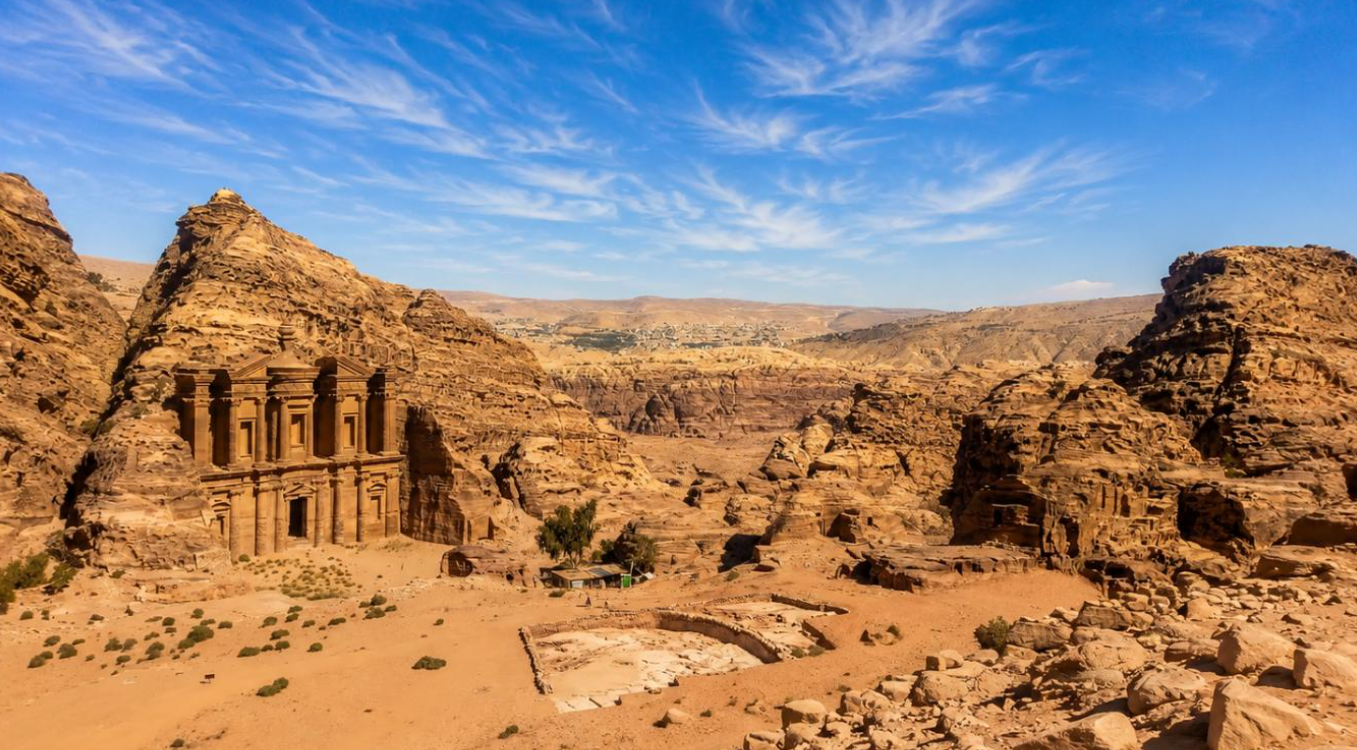
Petra, also known as the Rose City, was once an important trading centre and the capital of the Nabataean Kingdom. It was carved into beautiful sandstone cliffs and is famous for its unique architecture and ancient water systems. Visitors can walk through the narrow Siq, see the famous Treasury, explore the royal tombs and enjoy stunning views. They can also hike to the Monastery and learn about the history of this ancient city with a local guide.
Petra is about a 3-hour drive from Amman via the Desert Highway or around 4 hours via the scenic King's Highway. It takes approximately 1.5 hours to reach Petra from Aqaba by car, and buses and taxis are also available. Spring and autumn are the best seasons to visit because the weather is suitable for long walks. Summers are very hot, while winters are cool and rainy. It is best to start exploring early in the morning to make the most of the daylight and visit the main attractions.
2. Machu Picchu, Peru
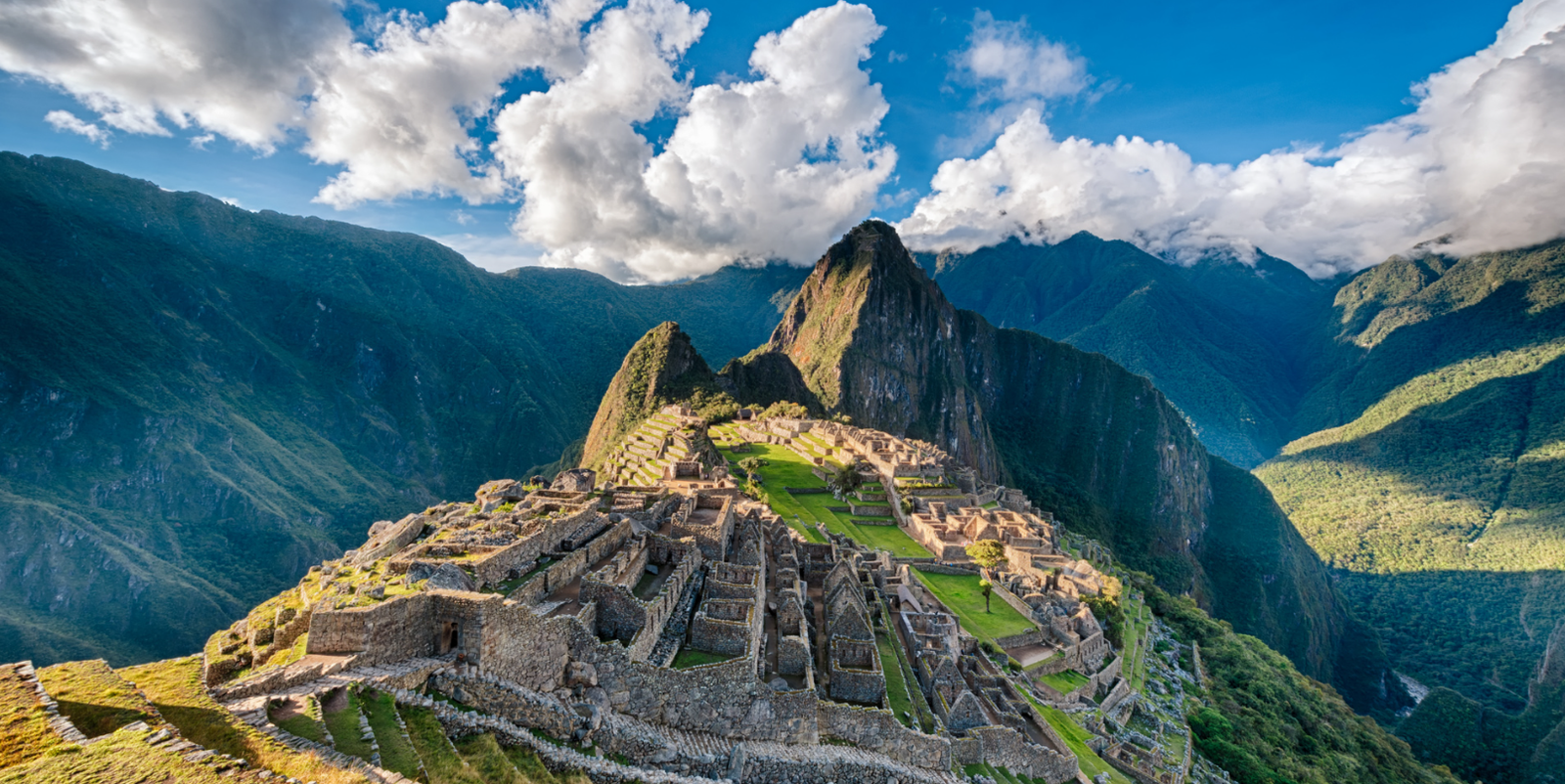
Machu Picchu, located high in the Andes Mountains, is a famous ancient city built by the Inca people. It stands more than 2,400 metres above sea level and is known for its impressive stone buildings, agricultural terraces and beautiful mountain views. Visitors can explore the ancient city, see the Temple of the Sun, walk through the terraces and learn about Inca history with a guide. The Sacred Rock and nearby mountain viewpoints are also popular attractions.
The best way to reach Machu Picchu is through Cusco and the Sacred Valley, followed by a train journey and a transfer or walk to the site, depending on the chosen route. Visitors should book entry tickets and transport in advance. The weather can change quickly, with sunshine, clouds and rain throughout the day, so it is best to carry layered clothing and rain protection.
3. Rome, Italy
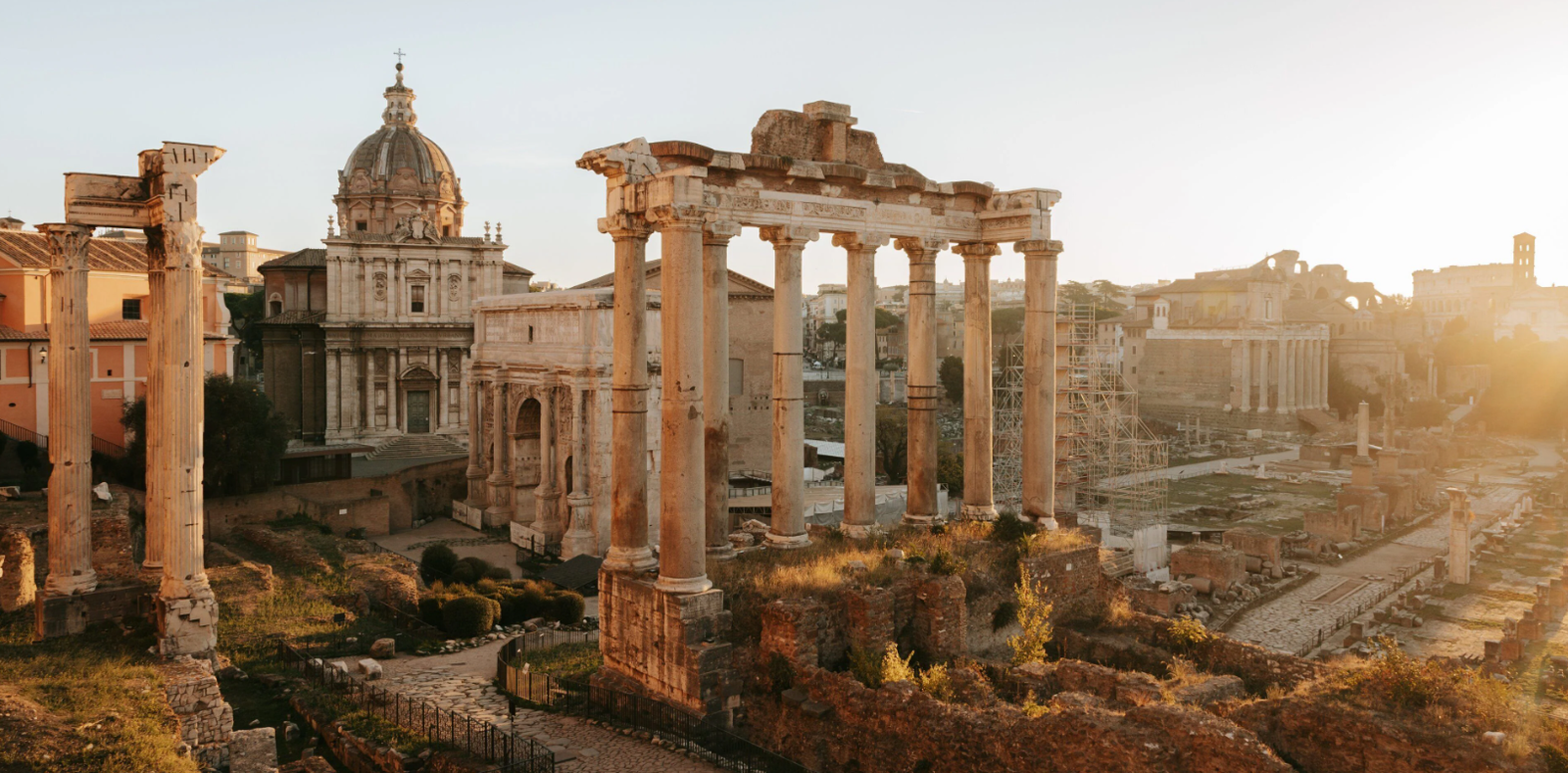
Rome offers a fascinating journey through the history of the Roman Empire, with famous landmarks such as the Colosseum, Roman Forum and Pantheon. The city combines ancient monuments with modern life, where historic churches, beautiful fountains, lively neighbourhoods and cafés can be found side by side. Visitors can explore the Roman Forum and Palatine Hill, discover the Colosseum, admire the Pantheon, walk through charming squares and enjoy traditional Italian food. The Trevi Fountain and Piazza Navona are also popular places to visit.
Rome is easy to reach by air or high-speed train from major cities across Italy and Europe. Visitors can explore the city using the metro, buses, trams, taxis or simply walk between nearby attractions. Rome has hot summers and mild winters, while spring and autumn are especially comfortable for sightseeing and long walks. During summer, it is best to explore early in the morning and take breaks during the hottest part of the day.
4. Angkor, Cambodia

Angkor was the heart of the ancient Khmer Empire and is one of the largest archaeological sites in the world, with more than 1,000 temples and monuments. It is famous for Angkor Wat, but many other temples surrounded by forests are also worth exploring. Visitors can watch the sunrise at Angkor Wat, admire the carved faces of Bayon, explore the jungle-covered Ta Prohm and discover the history of the Khmer Empire. Cycling or travelling by tuk-tuk between the temples is also a popular way to explore the area.
The best way to reach Angkor is by flying to Siem Reap–Angkor International Airport and travelling to the city of Siem Reap. From there, visitors can explore the archaeological park by tuk-tuk, car or guided tour. Cambodia has a dry season from around October or November to April and a rainy season from May to October. The rainy season brings fresh greenery and beautiful forest views, while the dry season is generally more suitable for outdoor sightseeing. Other popular attractions include Angkor Thom, Banteay Srei and Preah Khan.
5. Ephesus, Türkiye
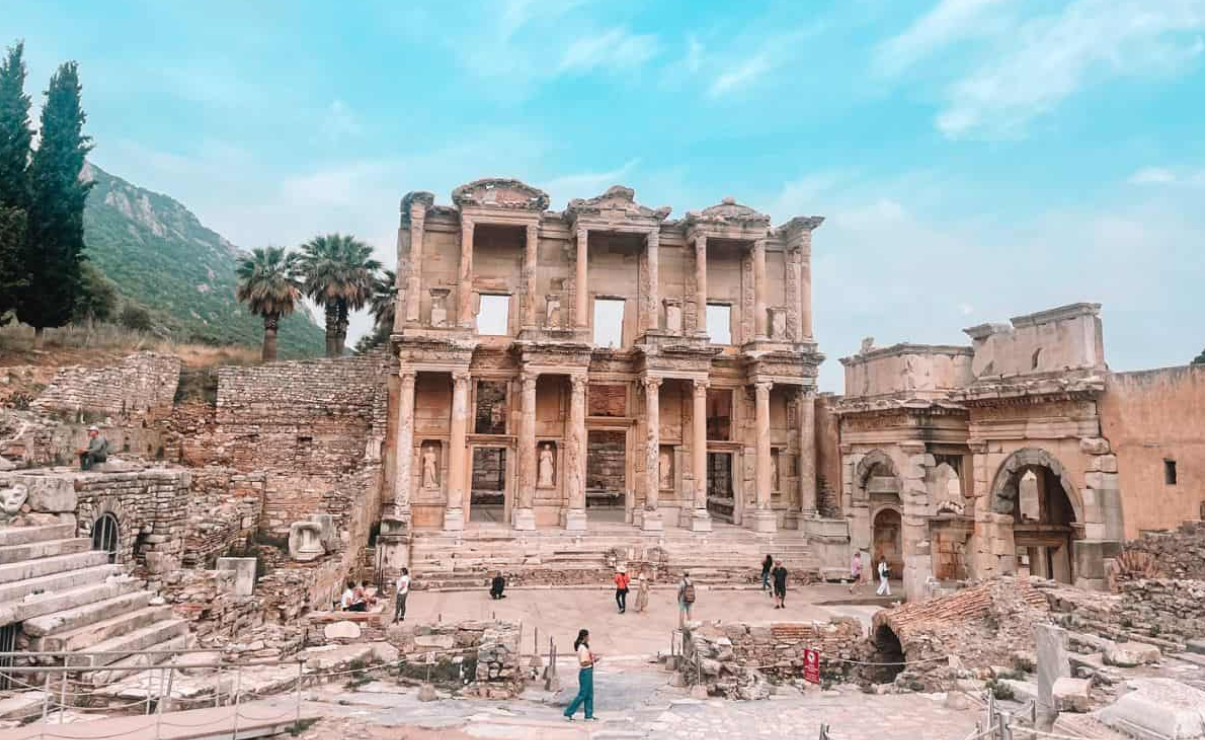
Ephesus was once an important centre of trade, culture and religion and is one of the best-preserved ancient cities in the Mediterranean region. It was a major city during the Roman Empire, and its marble streets, temples, theatres, libraries and public buildings offer a glimpse into ancient life. Visitors can walk along Curetes Street, explore the famous Library of Celsus, visit the Great Theatre and discover the Terrace Houses and Temple of Hadrian. The nearby museum and historic sites in Selçuk also help visitors learn more about the city's history.
Ephesus is easily accessible by road or public transport from Selçuk, which can be reached from İzmir Adnan Menderes Airport. Kuşadası is another convenient starting point for visitors. The area has hot, dry summers and mild, wetter winters. April, May, September and October are generally the best months to explore the archaeological site comfortably. These months offer more pleasant weather for walking through the ancient streets and discovering its historic landmarks.
Smart Tips
Visiting ancient archaeological sites can be easier and more enjoyable with a little preparation. It is best to arrive early in the morning when the weather is cooler and the sunlight is less intense. Wear comfortable walking shoes because many sites have uneven stone paths, steps and dusty areas. Carry enough water, use sun protection and consider hiring a local guide or using an official audio guide to understand the history behind the ancient buildings.
Visitors should also respect these historic places by following local rules, wearing appropriate clothing where required and avoiding climbing or damaging monuments. Before leaving, download maps, tickets, booking confirmations and important addresses so they are available without an internet connection. These simple steps can make your visit safer, more comfortable and more respectful of local heritage.
Leave room for the unplanned
Ancient cities reward curiosity. Pick a few must-see places, then keep enough time to slow down, observe details, eat locally and follow a quieter street.
The best travel moments are not always the ones marked on your itinerary. Leave a little space in your day to wander down an unfamiliar street, stop at a quiet viewpoint, discover a local café, or simply spend a few extra minutes taking in the atmosphere of an ancient place.
A good itinerary gives your trip direction, but flexibility gives it character. Choose the experiences you do not want to miss, then leave enough time for unexpected discoveries. Sometimes the unplanned moments become the stories you remember long after the journey is over.
Travel checklist
1. Passport + required entry documents
2. Accommodation and transport confirmations
3. Official attraction tickets / timed entries
4. Comfortable walking shoes
5. Sun protection: hat, sunscreen, sunglasses
6. Reusable water bottleLight layers + rain protection
7. Offline maps and emergency contacts
8. Small day bag + basic medicine
9. Camera / phone + power bank