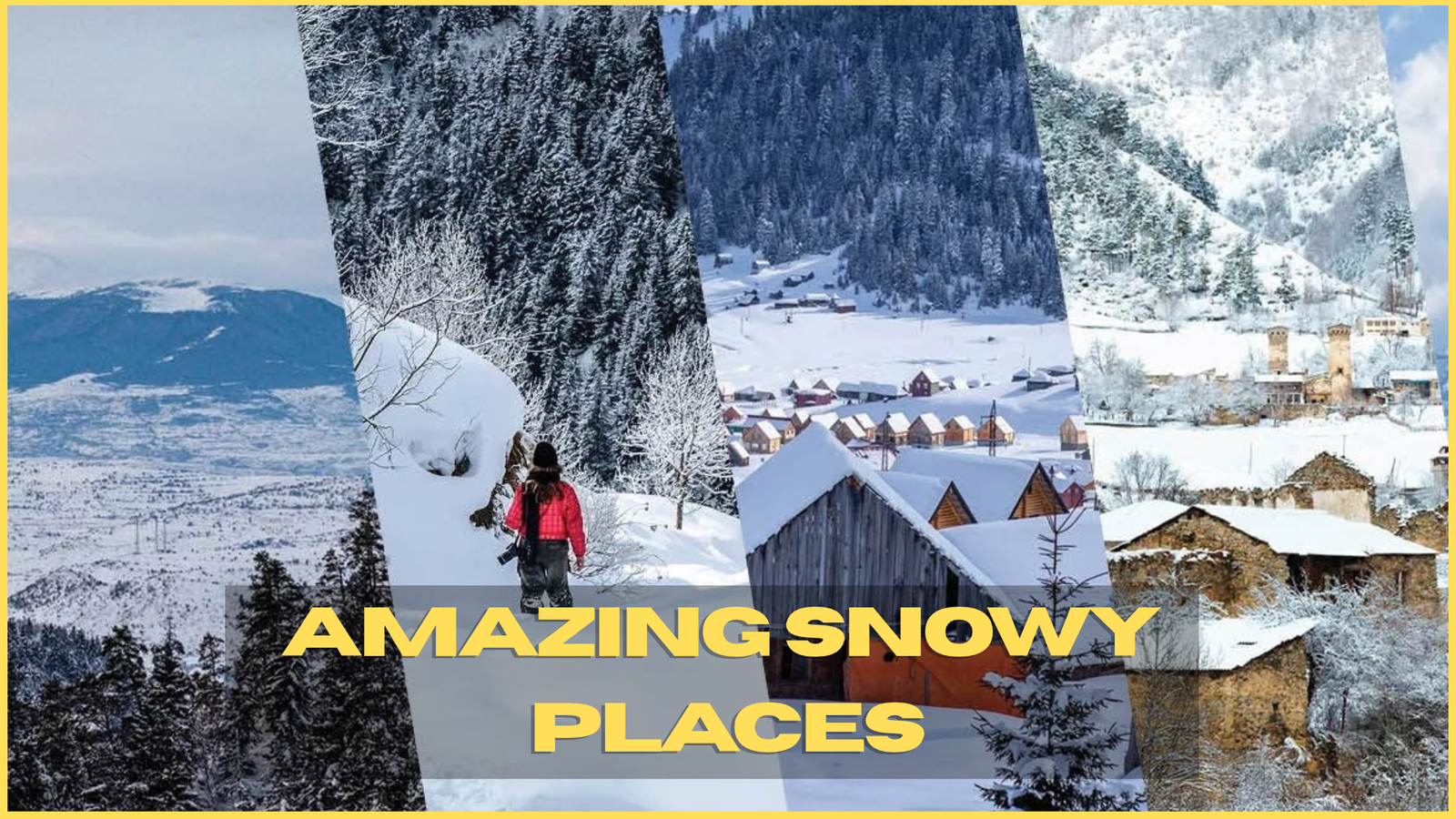
The mountains are covered in snow, the valleys are peaceful, the lakes are frozen, and the entire landscape is blanketed in snow. Snowy places around the world provide some of the most impressive natural landscapes, ranging from the majestic peaks in the Swiss Alps to the tranquil forests in Finland and the glaciers of Antarctica.
Winter travel is more than simply experiencing cold weather. It's a chance to find new cultures, learn about amazing natural wonders, experience incredible outdoor activities and see natural spectacles that will never be forgotten after a trip. There are places which draw people with world-famous ski resorts, places where one can experience the Northern Lights, places where one can walk through snow-filled villages, places where one can experience the silence of the remote winter wilderness.
With international travel being an inspiration for people to experience their thrilling moments, snow covered destinations are playing a crucial role in the scene of tourism. Each winter destination is unique, however, in terms of character, climate, traditions, and attractions. These are the places that will open up the beauty and diversity of the world in winter.
1. The Swiss Alps: A Winter Wonderland in Europe!
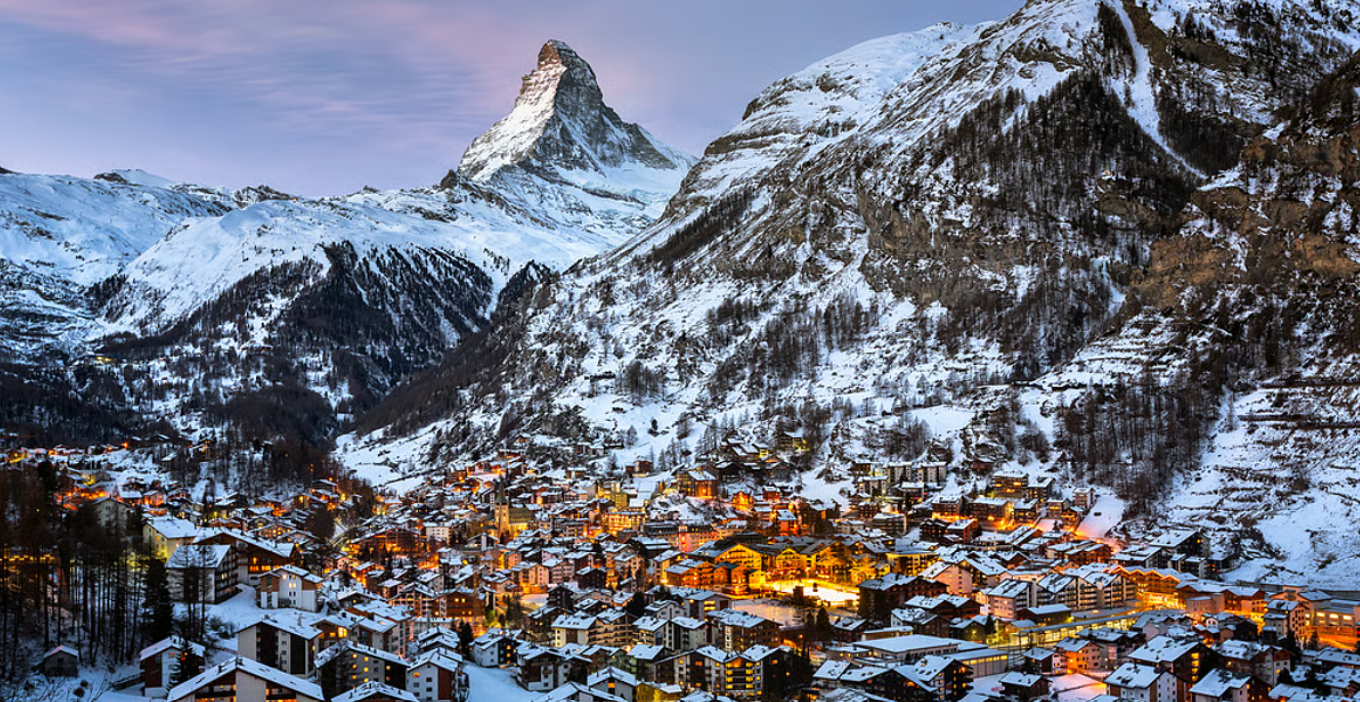
The Swiss Alps are among the most iconic snowy destinations in the world. The Alps are renowned for their majestic peaks, charming villages, scenic trains, and spectacular ski resorts. In winter, snowy summits produce a scenic backdrop for tourists from around the world.
Zermatt, St Moritz and Grindelwald are particularly popular for a winter holiday. The Matterhorn is one of the most famous mountains in the Alps, and Zermatt has some amazing views of it. St. Moritz is famous for its luxuriousity and its winter sports, whereas Grindelwald offers access to stunning mountain scenery and outdoor activities.
Skiing, snow boarding, winter hiking and scenic train rides through the mountains are all possible options for visitors. For a more leisurely holiday, visitors can discover the traditional villages of the Alps, indulge in local Swiss dishes or take in views from the mountain tops.
The Swiss Alps are a prime example of how nature, travel facilities, and traditions can all converge to make a memorable winter getaway. The area has something to offer everyone, whether they're seeking adventure or tranquil mountain views.
2. Lapland, Finland:The Magic of Snow and the Northern Lights
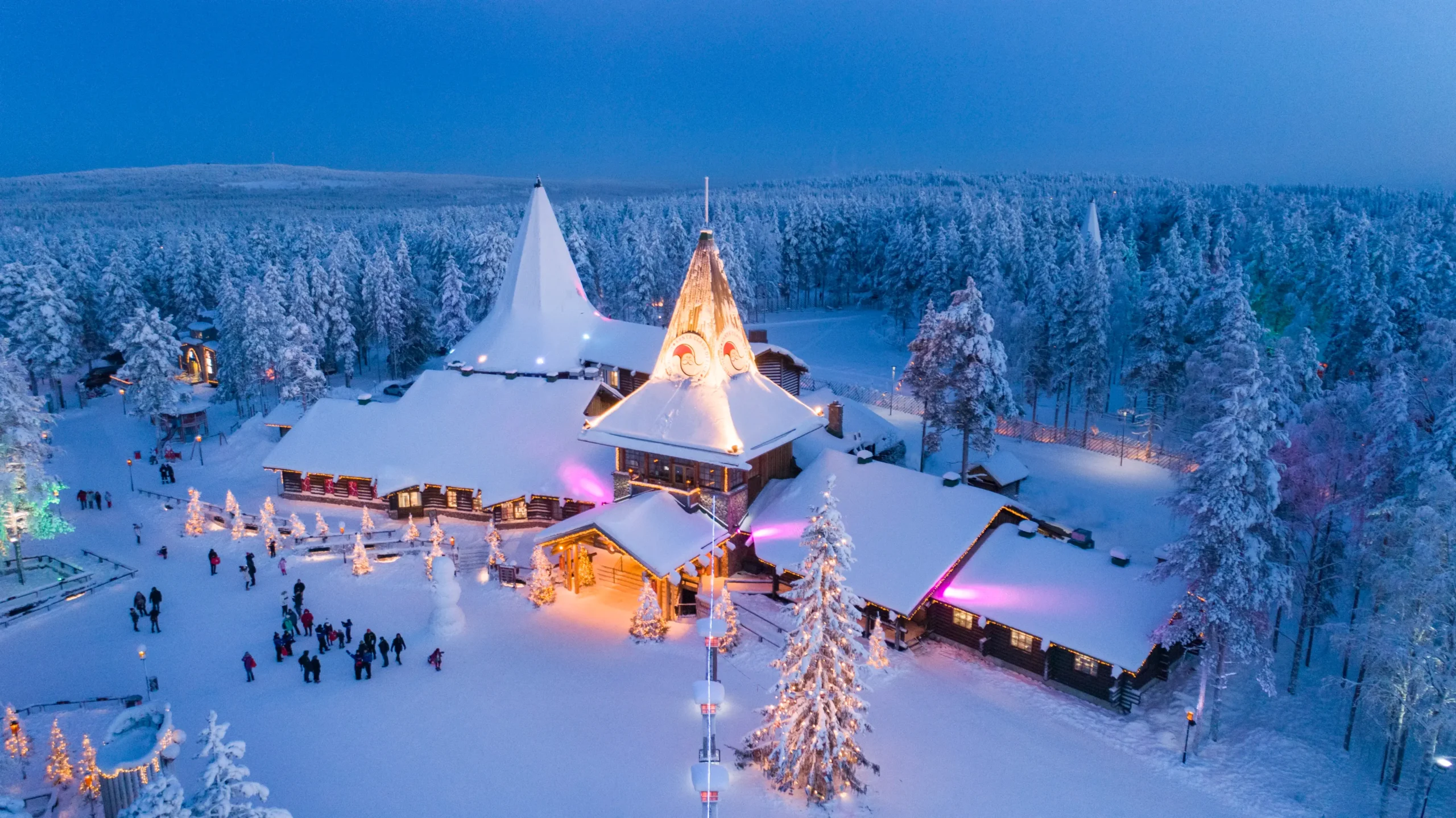
In northern Finland, it's easy to imagine winter in a fairytale land with Lapland. The snow-covered forests, frozen-over lakes, wooded cabins and tranquil wilderness set the scene in a manner quite unlike anywhere else. Lapland is the perfect winter getaway for many visitors.
The Northern Lights (also called the Aurora Borealis) is one of the biggest attractions in the region. The spectacular rainbow of green, purple and occasionally red light may be visible in the night sky under the right conditions. While sightings aren't always guaranteed, the potential to see this natural phenomenon makes Lapland even more attractive to winter tourists.
The area is also a destination for husky sledding, reindeer experiences, snowshoeing and snowmobile trips. Rovaniemi is also home to the famous Santa Claus Village, which offers a winter wonderland experience for families and tourists.
But Lapland's attractions extend beyond its activities. It is a place of great natural and cultural value, with its traditional Sami way of life, its unique northern scenery, and its links with the Arctic way of life. Trips must be made with a consideration of local communities and animal welfare.
If your idea of a dream holiday involves trips to snow-covered forests, stunning northern nightscapes, and a serene experience of nature, Lapland is the perfect destination for a memorable introduction to the Arctic winter.
3. Hokkaido, Japan: Powder Snow and Unique Winter Culture
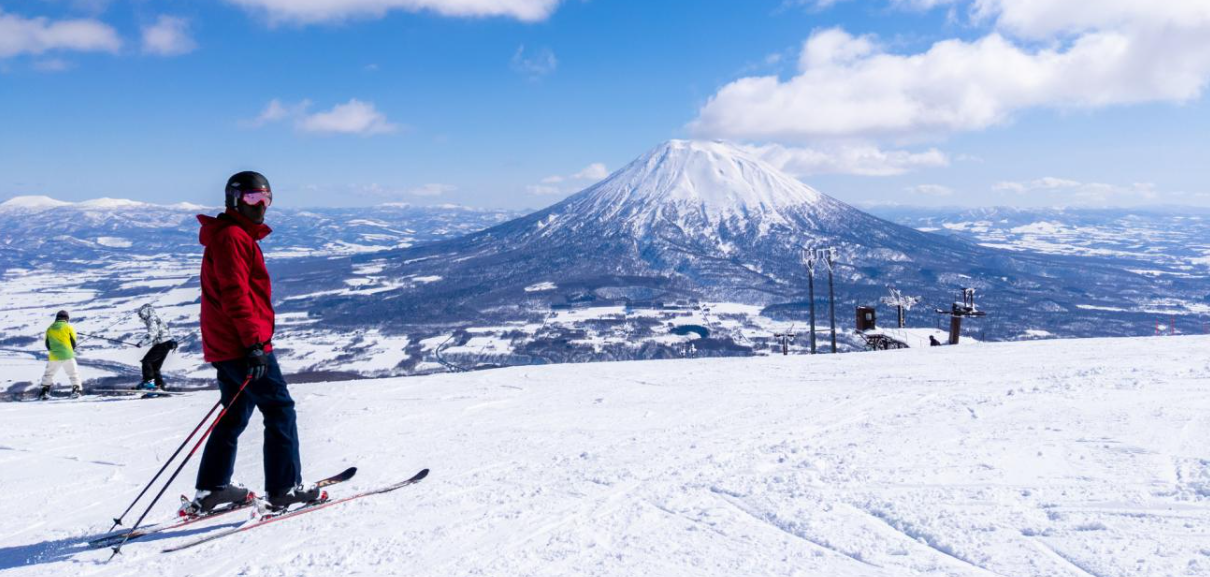
The northern island of Hokkaido in Japan is known all over the world for its superb winter scenery, especially its light, powdery snow. It is a beautiful place to visit, with its stunning mountain scenery, skiing, hot springs and local cuisine.
Niseko is a popular Hokkaido winter town. It's also known for being a great spot for skiing and snowboarding, as well as its heavy snowfall. The beauty of the mountains and opportunities to enjoy outdoor activities are available in other areas such as Furano.
Skiing isn't the only activity of the winter season in Hokkaido. Seasonal festivals, spectacular snow and ice displays, and traditional Japanese onsen (hot spring) are all part of the experience for visitors. Once it has been a while outside in the cold, a few hours in a hot spring can be one of the most memorable things in the trip.
Another great draw is food. Hokkaido is known as the land of seafood, dairy products, ramen and more. The island's local food, market, and restaurant scene offers visitors an opportunity to experience the impact of the climate and geography on a local cuisine.
One thing that makes Hokkaido unique is the ability to experience both the snowlands and the unique culture. It provides an alternative view on wintertime travel, and how outdoor adventure, local culture and regional cuisine can make a complete winter holiday.
4. Tromsø, Norway: Arctic Landscapes and Northern Lights
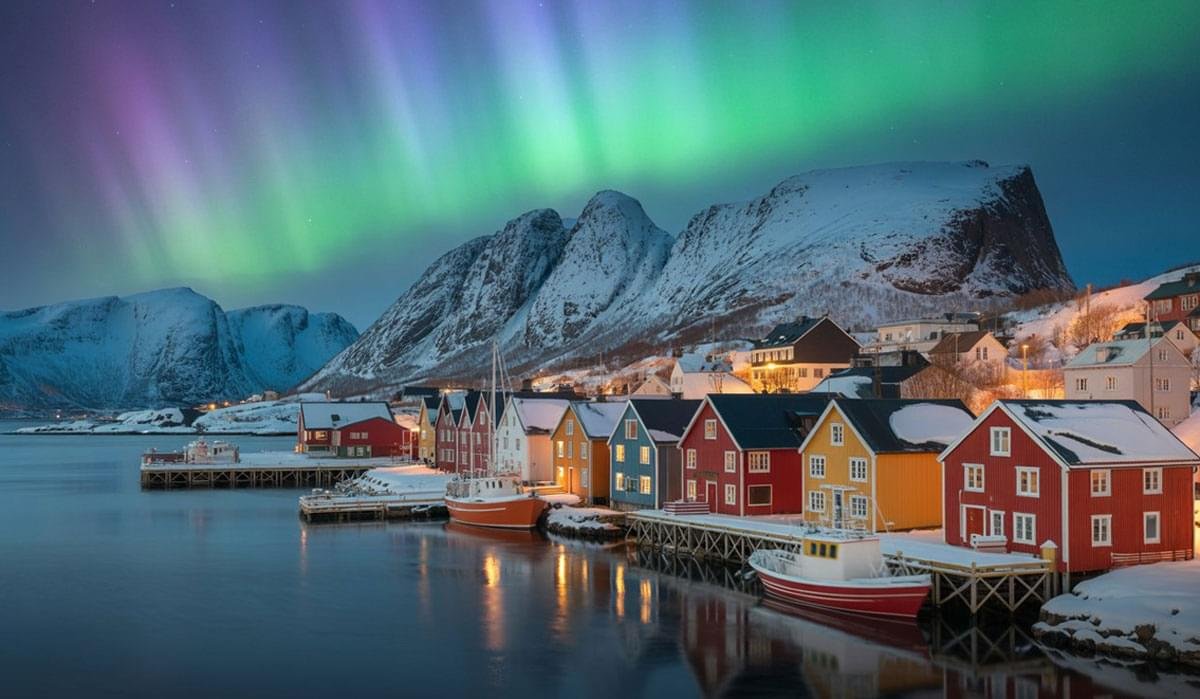
Tromsø, situated in the north of Norway is among the most interesting places for anyone who is interested in the landscapes of the Arctic and the Northern Lights. The city is nestled in a mountain setting among fjords and sea views, and has a feel of a northern wilderness while also being an established city.
Tromsø is a popular destination during the winter months, when many visitors come to see the Aurora Borealis. When they use guided tours, travellers are usually taken to a place where it is easier to see the stars. But cloud, weather, the sun and other factors influence visibility, so it is impossible to guarantee that any tour will result in a sighting.
In addition to the Northern Lights, Tromsø is also a great place for whale watching, snowshoeing tours and dog sledding, as well as fjord trips at appropriate times of the year. Activities available vary based on time of year and local conditions.
The city also features museums, restaurants, cafés and cultural events, which help visitors to understand the life in the north of Norway. The place is located on the coast and that makes it different from the mountain resorts in the interior of Europe.
Tromsø offers a taste of what a snowy holiday can be like despite the absence of the mountains and skiing. It is an attractive winter destination for travelers interested in experiencing the Arctic environment, exploring the local culture, and enjoying the opportunity to see one of the world's most spectacular natural light shows.
5. Iceland: Glaciers, Ice Caves & Dramatic Winter Landscapes
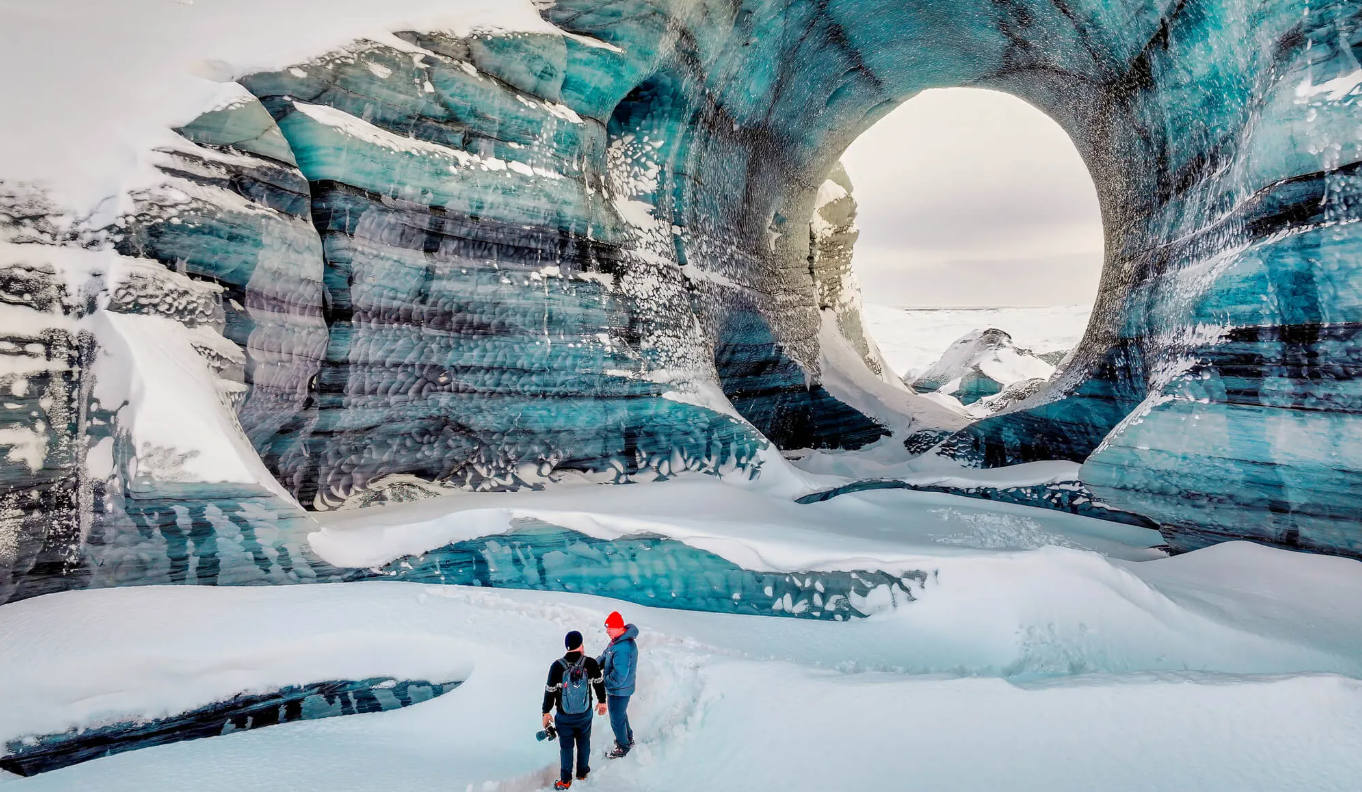
Iceland has its own unique winter beauty. The country does not only have snow-capped mountains, but volcanic land, glaciers, waterfalls, black-sand beaches and geothermal landscapes as well. In the winter, there is a dramatic affect on these natural features that makes the scene seem other worldly.
The glaciers are one of Iceland's most exceptional sights. In good conditions, visitors can make use of guided tours to be taken to visit some of the ice caves where layers of blue ice form the striking colours and patterns. These cave areas are natural environments and accessibility is dependent on safety assessments, weather and season. Travellers must never go into glacier caves or unstable ice regions without qualified guides.
The waterfalls in the country are also spectacular in winter. Others might partially freeze, and others, flow through ice cold environments. The Golden Circle route is a famous route in Iceland that links many of the country's attractions and is popular among tourists visiting the country's natural wonders.
During the winter, when the nights are dark and clear, Iceland also offers opportunities to experience the Northern Lights. Travel plans can be disrupted however, due to winter storms and shorter daylight hours, flexible travel plans are especially important.
The nation's beauty is accompanied by considerations of the environment and practicality. The high winds, the icy roads, and the fast changing weather conditions call for some caution. Pilots, tourists should consult local weather forecasts, road closures, and tour operators.
Iceland is an amazing place to visit for anyone wishing to see the majestic juxtaposition of ice and fire, water and volcanic scenery.
6. Antarctica: The Ultimate Frozen Wilderness
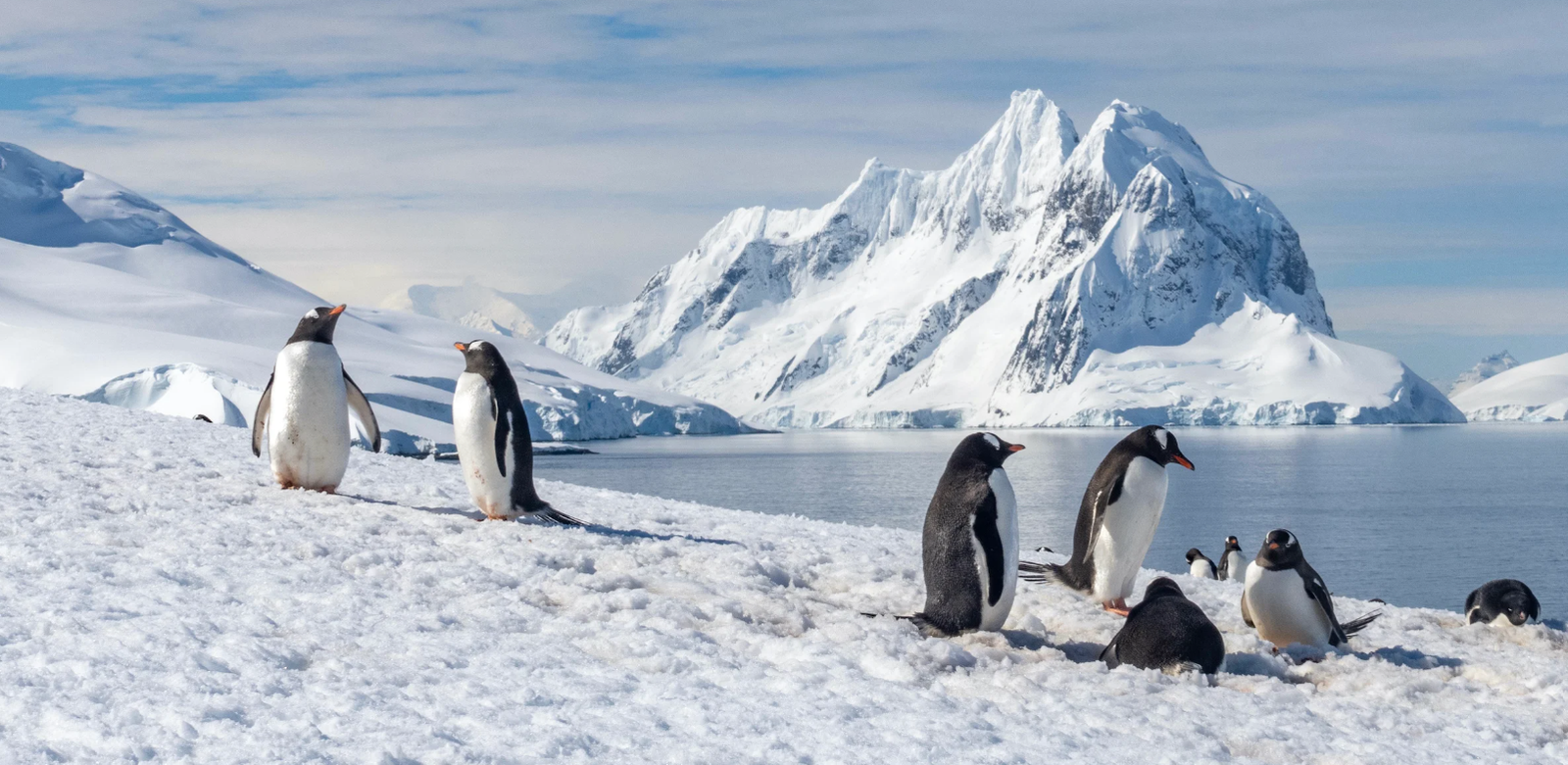
Antarctica is one of the most isolated and extreme snow-covered regions of the world. This vast continent is not like the traditional holiday destinations, but is characterized by massive ice sheets, glaciers, tall icebergs and a nature which is largely untouched by permanent human settlements.
Antarctic travel is very specialized, and is usually conducted in the summer of the Southern Hemisphere, from November through March. Even at this time the weather is cold and travel is heavily weather and sea dependent as well as dependent upon the arrangements for the expedition.
You can see incredible ice formations, penguins, seals and seabirds while on one of the approved expedition cruises. It's not the same as going to a ski resort or winter village. Travellers are not guided through shopping streets, but through extensive nature areas where wildlife and natural processes take centre stage.
The Antarctic is also a key component of the Earth's climate system. It contains massive glaciers of frozen freshwater, and its effects on the region have consequences for global sea level and the environment. Traveling to the continent can thus foster a greater appreciation of climate science and conservation.
Antarctica is an ecologically-sensitive area, so responsible tourism is necessary. Responsible travel guidelines must be adhered to when visiting wildlife; never disturb animals; select operators that adhere to relevant environmental guidelines.
If you are among the lucky ones to visit, Antarctica provides a very special experience to one of the most remote natural frontiers in the world. It's not really a holiday destination, more of a chance to see the size, fragility and beauty of the frozen world.
Conclusion: Discovering the Beauty of the World's Snowy Destinations
Winter knows nothing of chilliness in the world's snowy destinations. Whether it's in the elegant mountain villages of Switzerland, the Arctic forests of Finland, the frozen lakes of Canada, the powder-snow resorts of Japan, the dramatic landscapes of Iceland or the remote wilderness of Antarctica, each location allows you to experience the beauty of winter in a different way.
Others are perfect for skiing and snowboarding, and others are perfect for travelers looking for the Northern Lights, a one-of-a-kind cultural experience, wildlife, or natural serenity. The final destination is determined by individual interests, cost, travel experience and the kind of adventure one is expecting.
But with the rise in popularity of winter holidays comes responsibility. The landscape, which is special, can be impacted by climate change, pressure on the sensitive ecosystems and growing visitor numbers. Selecting responsible operators, showing respect for local communities, observing wildlife regulations and minimising unnecessary environmental impacts can help preserve these destinations for the future.