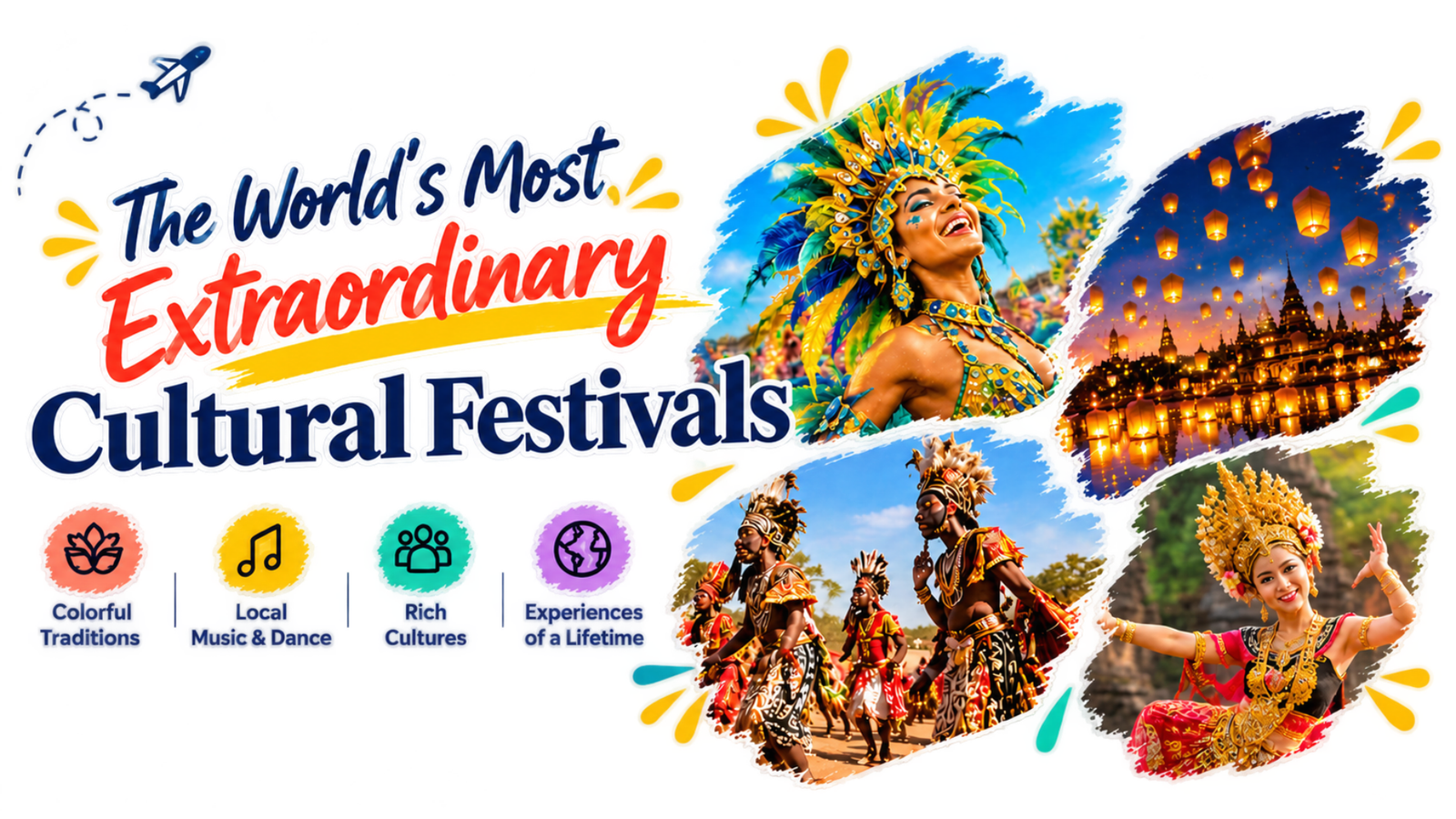
Throughout history, cultural festivals have been a key element in fostering community and the transmission of cultural heritage from one generation to the next. The events are a great way to learn about the history, beliefs and lifestyle of different communities, as well as colourful street celebrations, traditional dances, spectacular performances and ancient rituals. Each festival has a unique story to tell which reflects the values and the culture of the festival celebrants.
Cultural festivals have evolved from local customs to an inter-connected world in today's day and age. They draw in international visitors, motivate artists and shape the experience of the viewer of other cultures. The events, which are often marked with music, food, costumes, or religious ceremonies, are a great opportunity for people to gain insight into different viewpoints and the diversity of human traditions.
Cultural Festivals Bring People Together from Around the Globe
Cultural festivals give a significant link between old and new. There have been many celebrations for centuries that enable communities to maintain their traditions and adapt to today's lifestyle. Representatives of traditional attire, folk music, and dance performances and regional cuisine express cultural values, making history come alive. These experiences also enable younger generations to know their heritage and strengthen their bond to their communities.
Meanwhile cultural festivals promote the communication among different cultures. They are exposed to different customs, join in with local events and learn about different traditions that aren't in their own culture. This exchange helps to build understanding and appreciation of cultural differences and how they can be a place of curiosity and connection.
Cultural Celebrations Are Gaining More and More Influence Globally
Nowadays, cultural festivals are seen a lot more than ever before as a result of travelling throughout the world, digital media and online communities. Things that used to be celebrated locally are now made known to the world via photos, videos and people's own experiences posted online. The increased exposure promotes visitors to visit places during special cultural events and to learn culture that they would not normally see.
These celebrations also grant economic opportunities on the local level. Tourism boosts jobs in the hotel and restaurant industry, as well as jobs with artisans, performers and small businesses, and traditional crafts and regional products reach an international audience. But, authenticity will still be necessary. Communities need to be mindful of the need to preserve cultural heritage and maintain the original intent of traditional practices, while meeting the demands of the international community.
Some festivals are unique around the world due to their special traditions, spectacular festivals and cultural meanings. All present different views on the ways of expressing identity, celebrating life and keeping the collective memory alive.
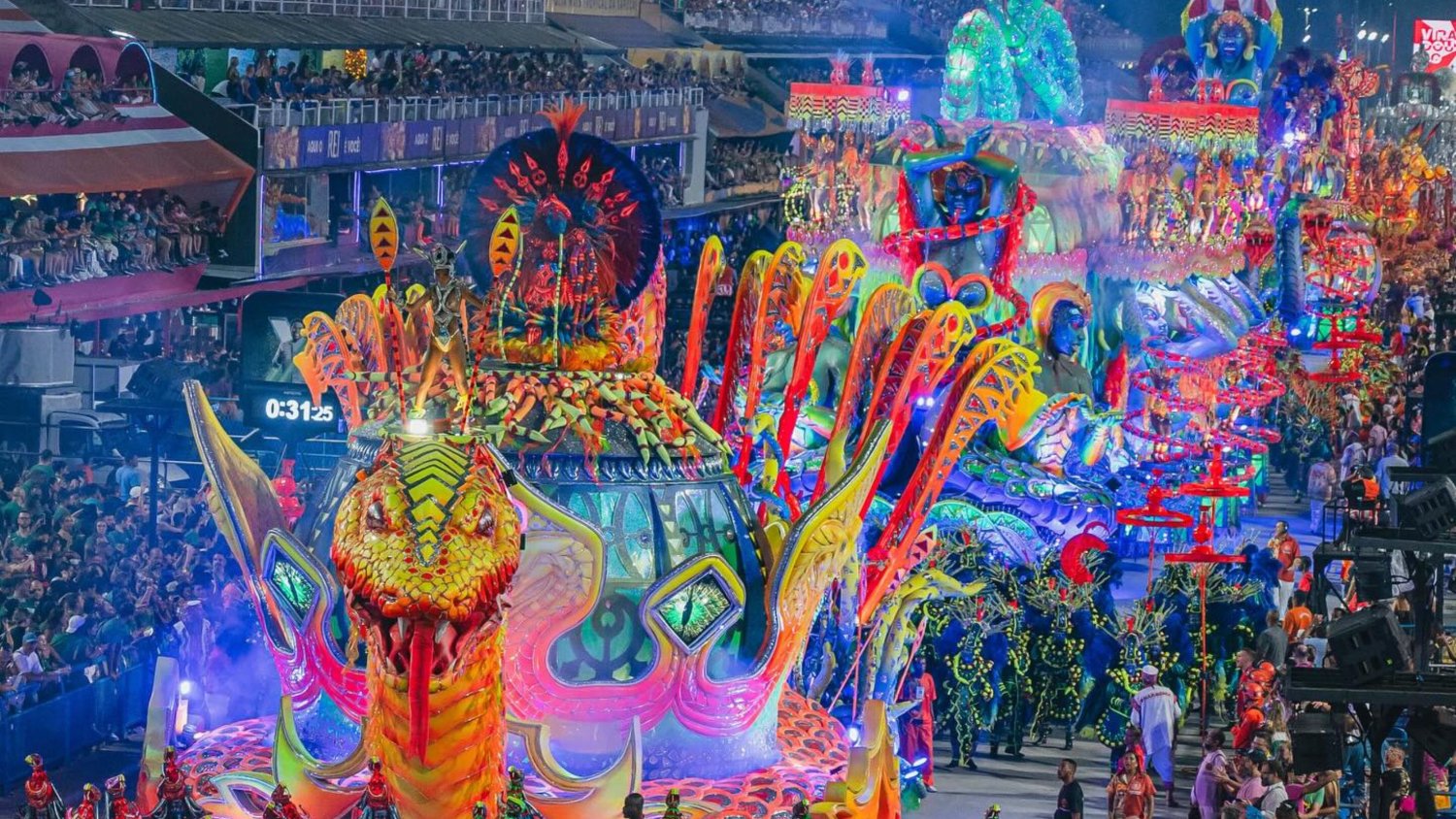
1. Rio Carnival, Brazil
One of the most famous cultural festivities in the world, Rio Carnival is renowned for its vibrant samba music, elaborate costumes, and dazzling parades. The festival is a celebration of Brazilian music, dance and artistic creativity, making the streets of Rio de Janeiro a vibrant celebration of Brazilian culture. For months, samba schools work hard to produce their floats and dance routines, which are impressive and depict various stories and themes.
Rio Carnival is more than just a party; it's a symbol of community and cultural expression. It emphasizes the presence of Africa, Brazil's indigenous population and Europe in the Brazilian society and offers an opportunity for performers and the local community to display their talents.
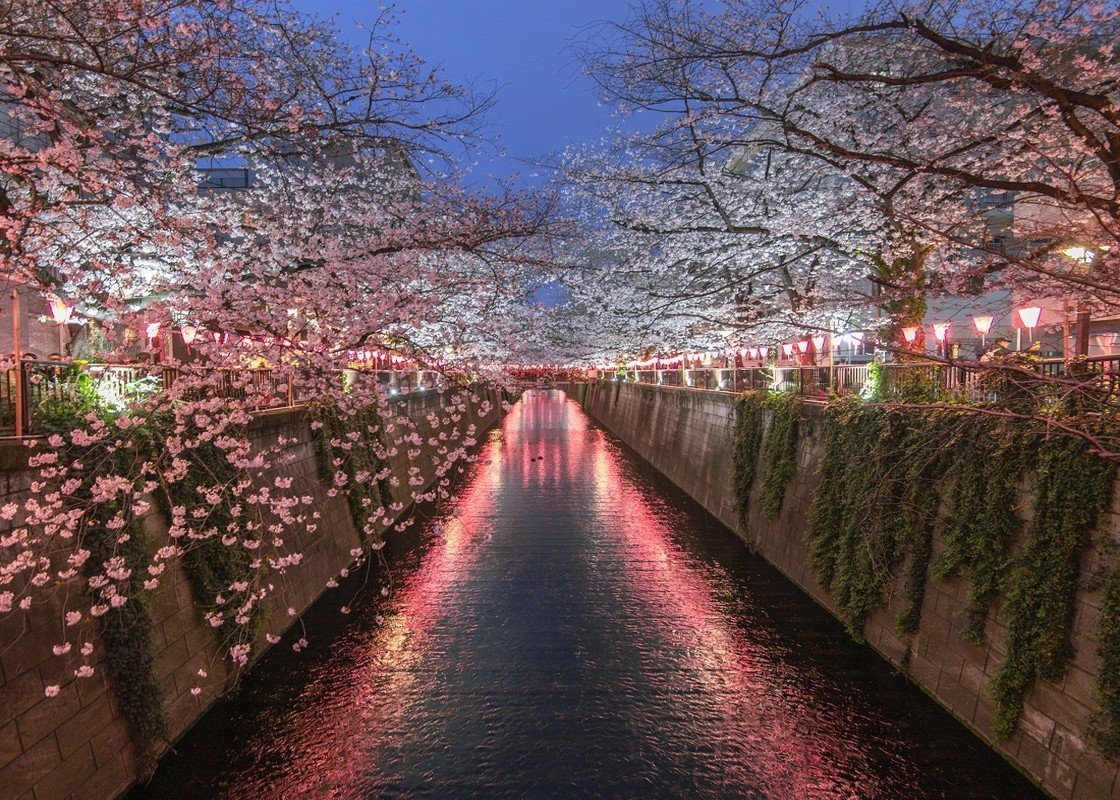
2. Hanami, Japan
Hanami is an ancient Japanese way of celebrating the beauty of the cherry blossoms in the springtime. In park and gardens, families, friends and colleagues come together to appreciate the seasonal beauty under the saccharin blossoms. The event is a mixture of outdoor events and reconnecting with nature, with the aim of creating a calm and relaxed atmosphere that contrasts with the energetic ambiance of many bigger festivals.
Another element of Japanese cultural philosophy that is captured in Hanami is the beauty that is ephemeral. Cherry blossoms are ephemeral, reminding people of the passing of time and the impermanence of life. The tradition is an attraction for tourists from all over the world and still remains a significant part of Japanese society.
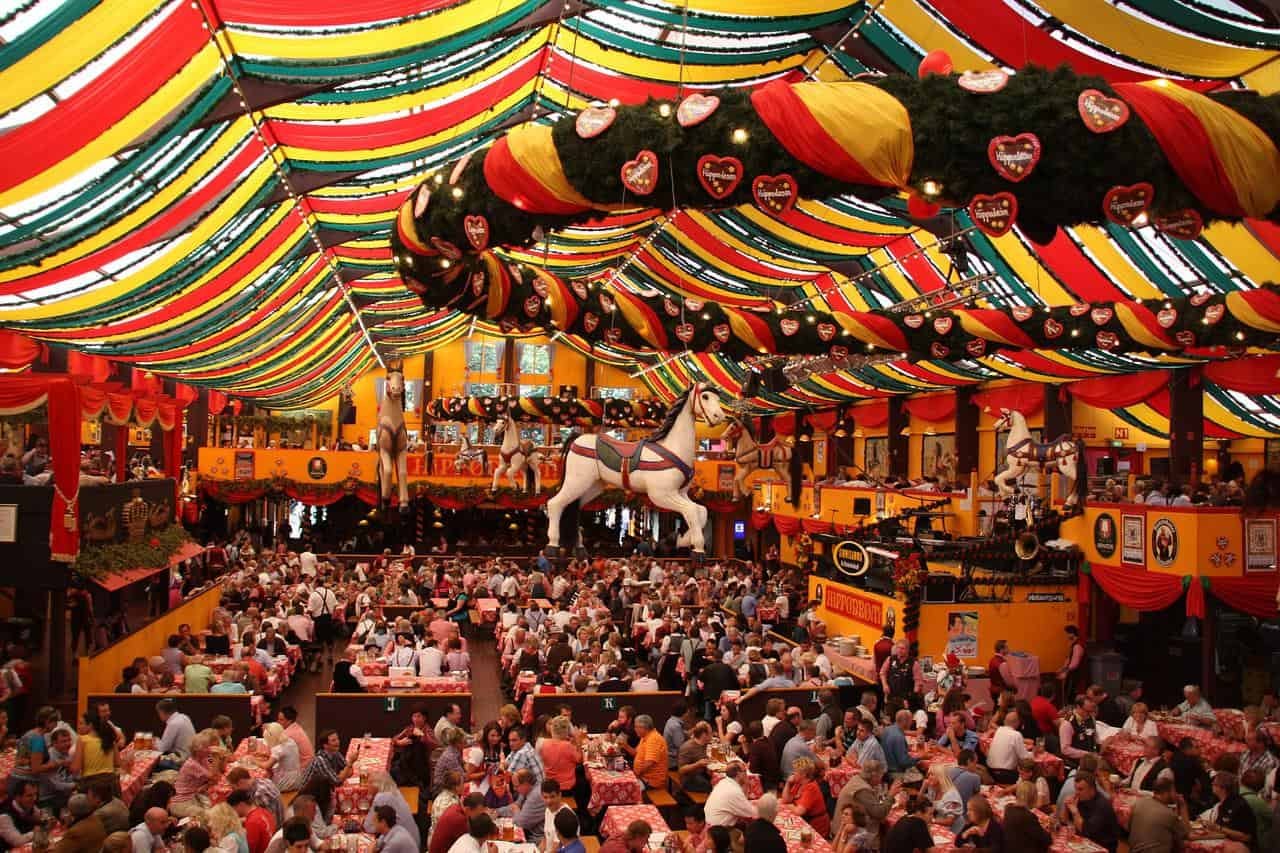
3. Oktoberfest, Germany
Oktoberfest is a traditional festival in Munich which takes place every year. It is a celebration of Bavarian heritage, but it also includes traditional Bavarian clothes, Bavarian cuisine, Bavarian folk song, Bavarian amusement rides and vibrant public events, with its association with beer halls. The visitors get to see some of the local culture and the festive atmosphere sets in in the city's celebration grounds.
It is a festival showcasing the ability of regional traditions to be recognised as tourist attractions internationally. Local identity is preserved by the traditional Bavarian costumes, music and food whereas the tourism generates a lot of economic activity for the region. The Oktoberfest idea has spread to other nations, leading to similar festivals and events being celebrated in other countries worldwide.
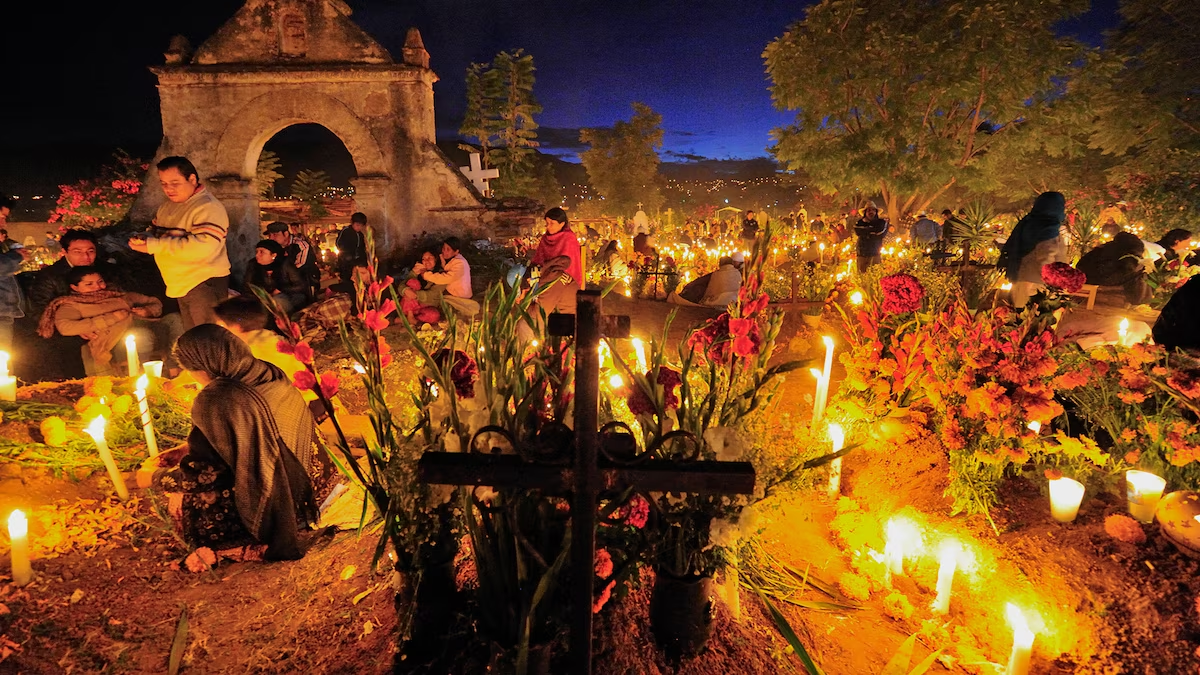
4. Day of the Dead, Mexico
The Day of the Dead (Día de los Muertos) celebrates in Mexico the memory of loved ones and family members who have passed away, in a meaningful way. Altars, ofrendas, are created by families with photos, flowers, candles, special foods and objects. Celebrations include marigolds, decorations and cemetery visits as a way to remember and keep family traditions alive.
The festival is not just about sadness, it's about memory, love and the enduring relationships between generations. The unique aspects of its artistry and the strong cultural significance it has for the community have captivated the international audience, but it has also stayed firmly within Mexican communities and their practices of remembering the deceased.
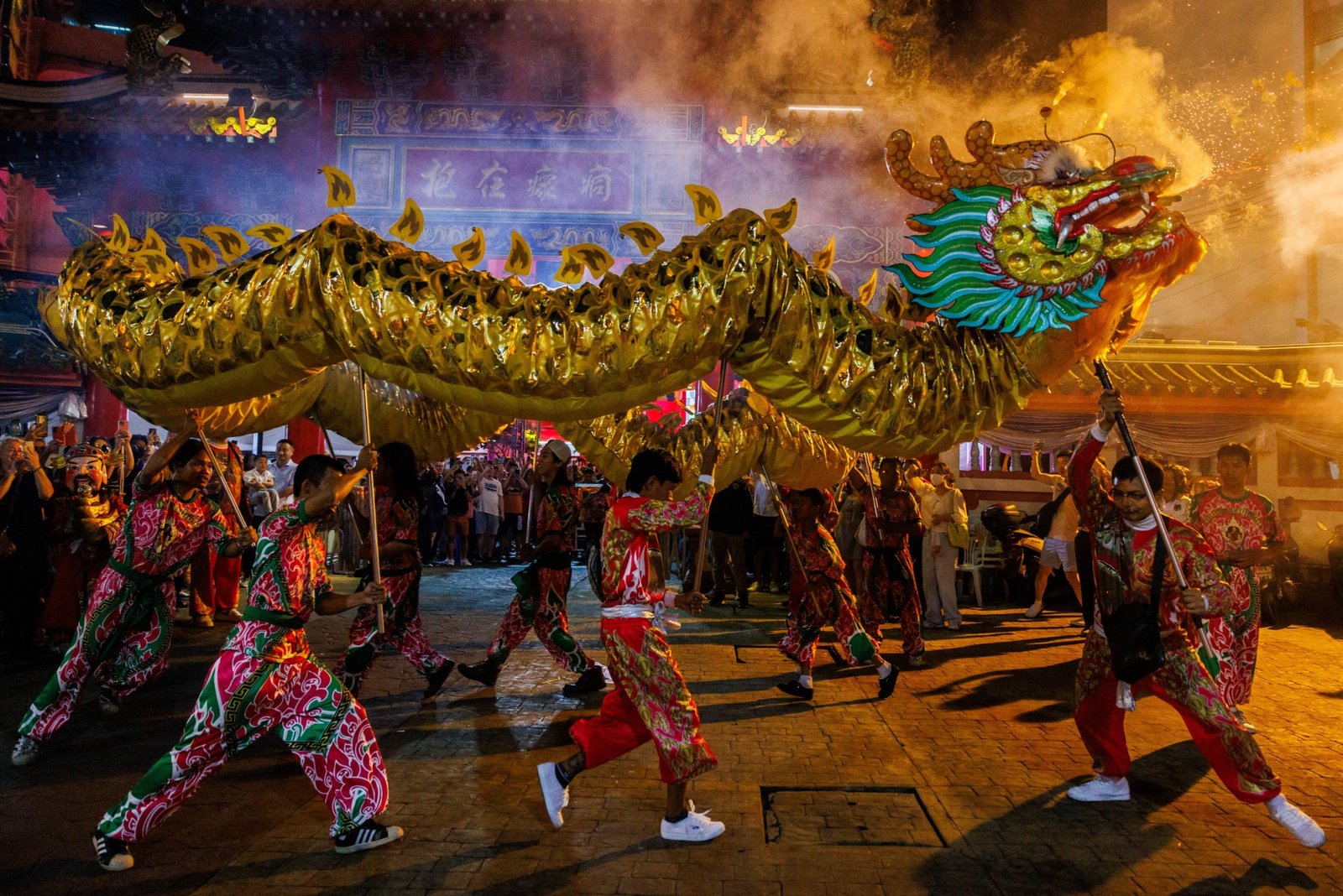
5. The Celebration of the Chinese New Year, China
The Chinese New Year or Spring Festival is one of the biggest Chinese festivity celebrations. The festival celebrates the first day of the lunar new year and is the time when families get together for a reunion dinner, for festive decorations, for giving gifts and for enjoying cultural activities. The red lanterns, the dragon dances and lion dances add to the festive atmosphere, and the traditional food item have symbolic meanings which relate to the elements of prosperity, happiness and good fortune.
In addition to being colourful, Chinese New Year also symbolises new beginnings, family celebration and wishes for a good year. This festival is observed by the Chinese people worldwide, showcasing the power of cultural practices to transcend time and space.
Why Cultural Festivals Matter in the Modern World
Cultural festivals play an important role in preserving traditions at a time when globalisation is changing how people communicate, work and live. They provide opportunities for communities to pass down traditional knowledge, celebrate local identities and maintain connections with their history. Through music, dance, food and storytelling, cultural practices remain visible and relevant to younger generations.
These celebrations also encourage cultural exchange and contribute to the global tourism industry. Visitors gain a deeper understanding of local customs, while communities benefit from opportunities to share their heritage with a wider audience. When managed respectfully, festivals can support local economies without losing the traditions that make them meaningful.
Conclusion
The world's most extraordinary cultural festivals reveal the remarkable diversity of human traditions and experiences. From the vibrant energy of Rio Carnival to the reflective beauty of Hanami, each celebration offers a different understanding of history, identity and community. These events demonstrate that culture is not simply something preserved in the past but a living part of everyday life.
As international travel and digital communication continue to connect people across borders, cultural festivals will remain valuable opportunities for learning, discovery and mutual appreciation. By celebrating these traditions responsibly, communities and visitors alike can help preserve cultural heritage while building a greater understanding of the world.