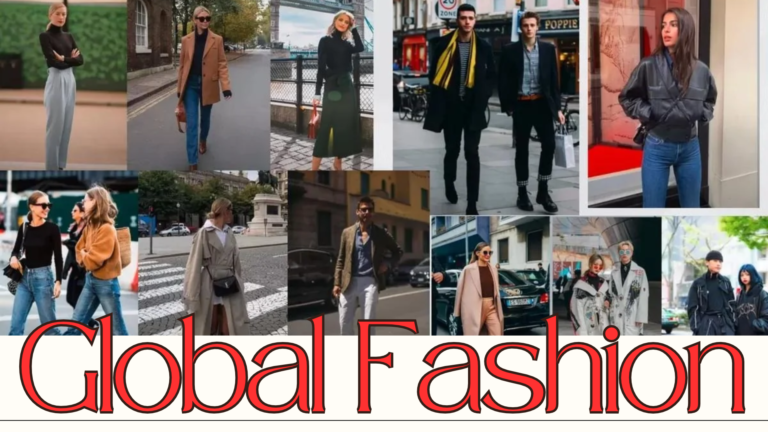
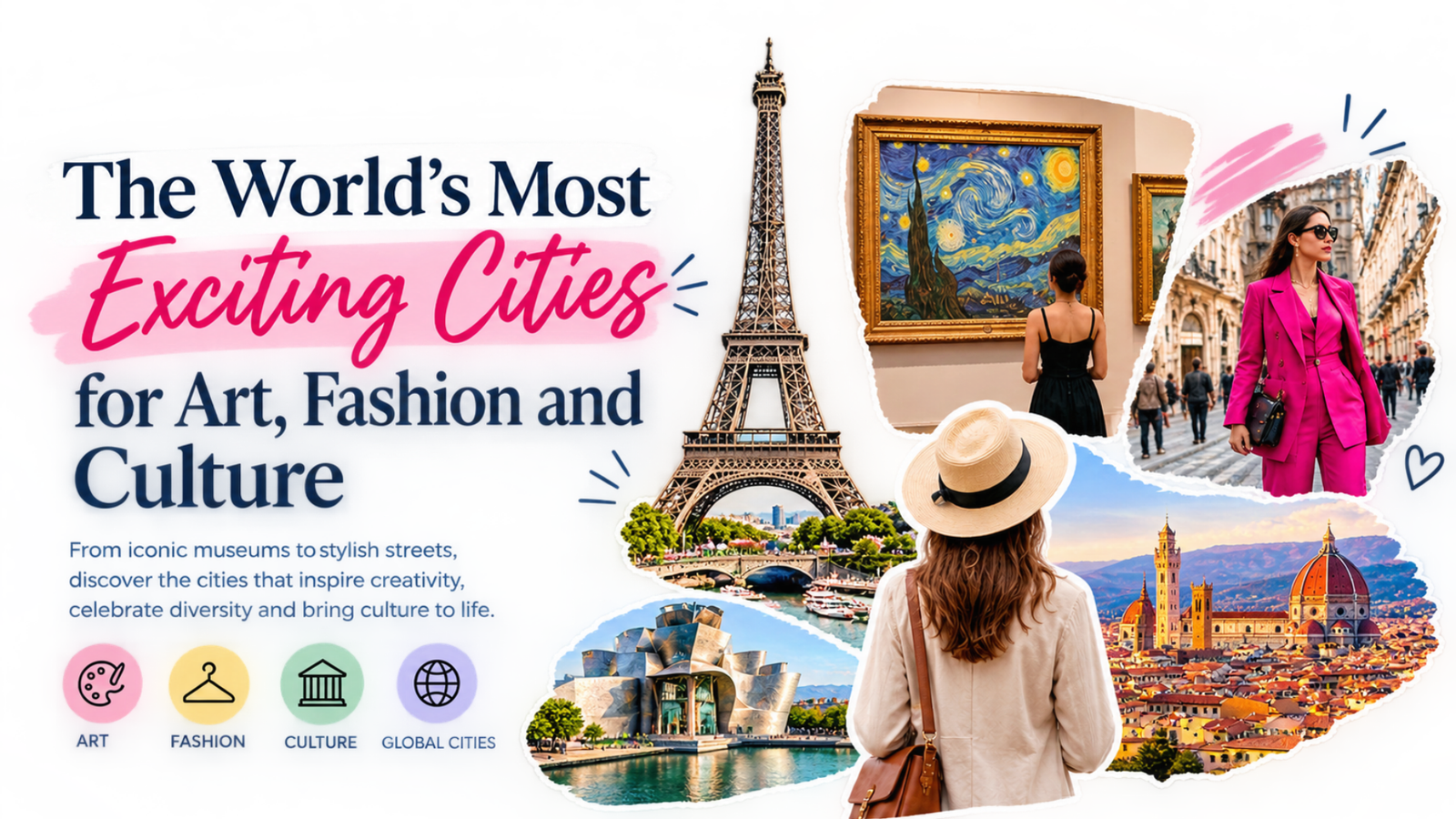
Art, fashion and culture have always been important to the identity of cities around the world. Whether it's art galleries or architecture, street fashion or local traditions, each city has its own distinctive way of self-expression. These cultural influences attract artists, designers, tourists and creative minds seeking fresh concepts and new perspectives on life.
In today's globalized world, cities have emerged as significant hubs of creativity and cultural exchange. Social media, international exhibitions and global fashion events help local trends reach audiences across continents. From the timeless elegance of Paris to the artistic atmosphere of Florence and the modern creativity of Tokyo, certain cities continue to shape the world's perception of art, fashion and culture.
Paris: Art and Fashion
Paris has always been considered one of the world's most popular destinations for art, fashion and culture. The city combines historic buildings, famous museums and luxurious fashion houses with a modern creative atmosphere. Its streets, cafés and galleries reflect a lifestyle in which artistic expression and personal style go hand in hand.
Fashion plays an important role in Parisian identity, with designers and fashion events influencing worldwide trends every year. Meanwhile, institutions such as the Louvre and Musée d'Orsay preserve significant artworks that attract visitors from across the globe. Paris combines a rich historical heritage with a forward-looking approach to creativity and innovation.
Milan: Fashion and Design
Milan has a worldwide reputation for luxury fashion, design and modern creativity. Its renowned fashion houses, established designers and innovative design studios create an environment where traditional craftsmanship meets contemporary ideas. The city's influence extends beyond clothing to furniture, architecture and interior design.
Fashion events and creative exhibitions attract professionals and enthusiasts from many countries. Milan also demonstrates how design can become part of everyday life, from elegant shopfronts to carefully planned public spaces. By blending business, creativity and Italian craftsmanship, the city maintains its influential position in the global fashion industry.
Tokyo: Tradition and Modernity
Tokyo combines Japanese traditions with contemporary urban life. Ancient temples, traditional crafts and historic neighbourhoods exist alongside modern architecture, digital art and innovative fashion. This contrast gives the city a distinctive creative identity that continues to inspire artists and designers around the world.
Tokyo's fashion scene is particularly unique and diverse. Harajuku is known for experimental street style, while other neighbourhoods showcase minimalism and luxury shopping. Many creative communities reinterpret traditional Japanese influences through modern concepts, making Tokyo an important destination for anyone interested in contemporary culture.
Florence: Renaissance Art
Florence holds a special place in the history of art and architecture. As one of the major centres of the Renaissance, it influenced European artistic traditions and produced some of history's most significant creative figures. Its museums, historic buildings and public squares continue to preserve this extraordinary cultural heritage.
Beyond its historical importance, Florence remains connected to traditional craftsmanship and Italian fashion. Leather goods, jewellery and handmade products showcase skills passed down through generations. The city demonstrates how cultural heritage can remain relevant in the modern world by combining artistic history with contemporary creativity.
New York: Creative Expression
New York City is a major hub for contemporary art, fashion and cultural innovation. Its diverse population brings together ideas, traditions and artistic perspectives from different parts of the world. This diversity is reflected in its galleries, museums, music venues, fashion districts and colourful street culture.
The city's creative influence extends across photography, film, design and luxury fashion. Events such as New York Fashion Week attract international attention, while neighbourhoods like Brooklyn are known for independent artists and emerging creative movements. New York's openness to experimentation makes it an important destination for discovering new cultural ideas.
Global Art and Fashion Trends
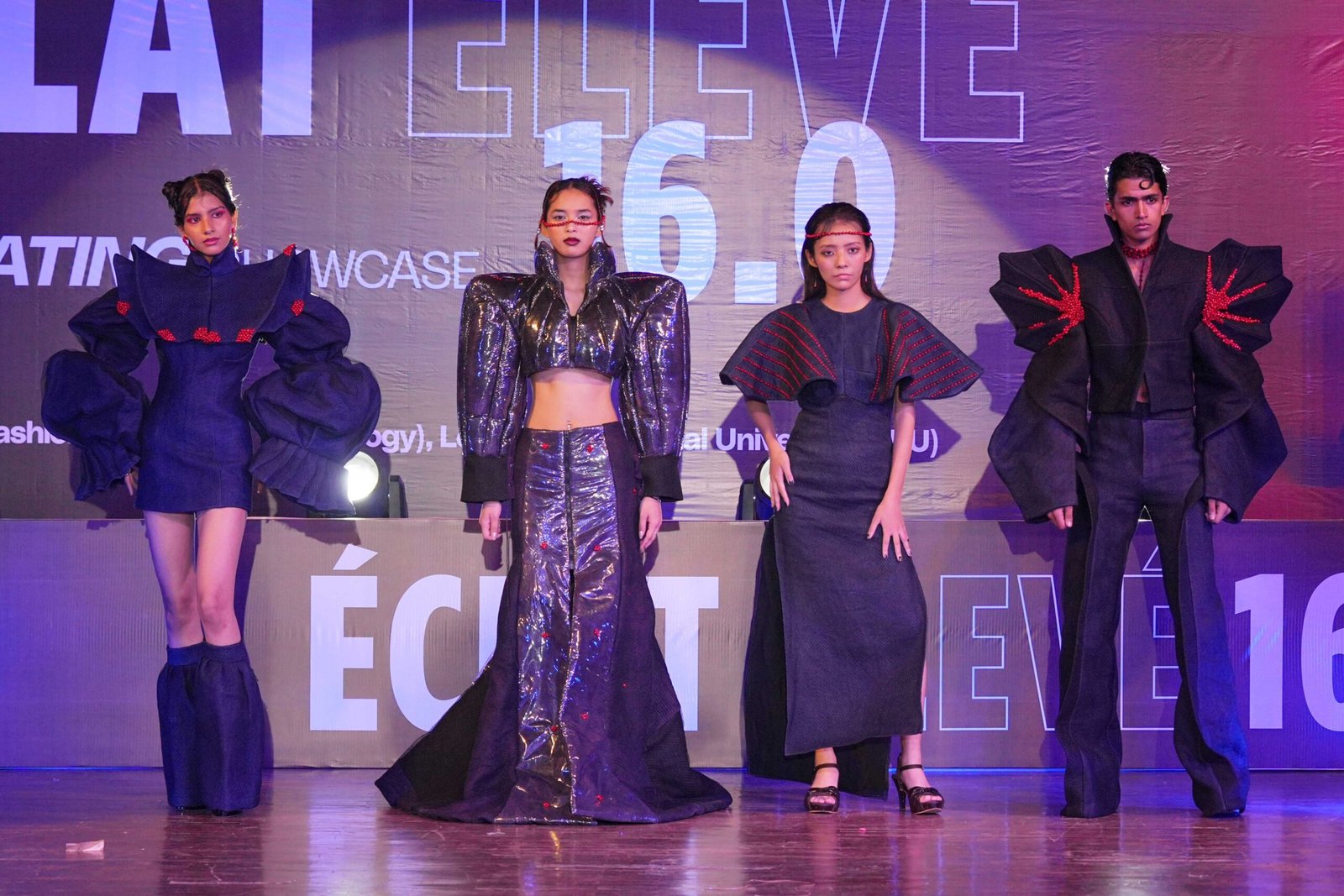
The relationship between art, fashion and culture has become increasingly international. Designers draw inspiration from different traditions, artists collaborate across borders, and cultural events introduce new creative movements to global audiences. Cities play an important role by providing spaces where people can exchange ideas and explore new forms of artistic expression.
Digital platforms have transformed how these influences spread. A fashion trend emerging in Tokyo or an exhibition opening in Paris can attract worldwide attention within hours. However, lasting cultural influence depends on more than online visibility. Cultural institutions, creative communities and historical identities continue to provide the foundations for meaningful artistic innovation.
Why These Cities Inspire
The most exciting cultural cities offer more than famous landmarks and fashionable shopping districts. They provide opportunities to explore different perspectives, appreciate artistic traditions and understand how creativity develops over time. Each destination has its own character, shaped by its history, people and approach to modern life.
Paris represents timeless glamour, Milan celebrates design and craftsmanship, Tokyo blends tradition with innovation, Florence preserves artistic heritage, and New York embraces diversity and experimentation. These cities demonstrate how art, fashion and culture can connect people across geographical and cultural boundaries. By preserving their heritage while welcoming new ideas, they will continue to inspire creative conversations and attract visitors eager to discover the world's most exciting cultural scenes.