In the modern world nearly every aspect of life relies on the use of electricity, ranging from homes to hospitals, transportation to industrial production. Nuclear energy has come back into the heart of the global energy debate as countries look for reliable, low carbon energy sources. It has the potential to produce significant quantities of electricity on a continuous basis with very low greenhouse gas emissions during its working life.
One of the most complicated power generation methods, however, is nuclear energy. The physics of atomic power, the technology of advanced engineering, the safety measures of an extensive program and the management of radioactive materials are all behind every nuclear power plant.
When it comes to understanding nuclear energy, one needs to go beyond cooling towers and reactor buildings. It needs to examine the mechanism by which nuclear reactions generate energy, how this energy is used to generate electricity, the safety of nuclear power plants, and why new technologies like SMRs are gaining popularity. Technological advancements, however, will not be the only driver for the future of the nuclear industry, but, also, public trust, cost and proper environmental management.
1. The science behind nuclear energy.The science of nuclear energy
An atom's nucleus is the source of nuclear energy. The generation of electricity in most current commercial nuclear power plants is based on nuclear fission. In the process a heavy atomic nucleus, typically uranium-235, disintegrates into smaller pieces following the absorption of a neutron. This reaction releases energy, radiation and extra neutrons which can cause more fission reactions.
This process can be controlled inside a reactor to generate a controlled amount of heat. The heat is then converted to Steam, which then powers a Turbine attached to an Electrical Generator.
The process of nuclear fission is different from the processes of burning coal, oil or natural gas, in which energy is released by changing the atoms. This enables a great proportion of energy to be released from small amounts of nuclear fuel.
The science is well known, but the control of the reaction demands complex systems, special materials and skilled personnel. All that comes after the production of electricity, and even emergency shutdown procedures, all depend on reactor physics.
2. Open the entries for the topics in the Information Tabs
The main equipment in a nuclear power plant is a nuclear reactor. It is mainly used to keep a controlled fission reaction going and to transfer the heat from the fission reaction into the system that can be used for electricity generation.
In a typical pressurised water reactor, nuclear fuel is also contained in the reactor core. The water in the core is under high pressure and gets heated as it flows. This hot water is used to heat a second circuit of water using a steam generator. Secondary water is converted to steam which drives a turbine connected to an electrical generator.
There are other designs of reactors. The boiling water reactors generate steam within the reactor itself, and some advanced designs may employ different coolants, operating temperatures or fuel configurations.
While these differences exist, the basic principle is the same: the nuclear energy is converted into heat, the heat is converted into steam (or another working fluid), and the steam (or other fluid) is used to power a turbine to produce electricity.
After passing through the turbine the steam is cooled and condensed, allowing the water to be reused. There are other systems for further heat rejection and for keeping the operating conditions steady.
The combination of nuclear physics, thermal engineering and electrical generation renders a nuclear power plant a more complex energy system, rather than just a machine that splits an atom.
3. Control of risks: Nuclear safety
One of the critical considerations of nuclear power is safety. Since radioactive materials are involved in nuclear reactions and since they sometimes generate a lot of heat, reactors are equipped with several protective systems that are interconnected.
One of the main principles is defence in depth. Nuclear facilities have a number of independent layers of protection rather than relying on a single safety feature. These may include fuel cladding, reactor pressure boundaries, containment structures, emergency cooling systems and radiation monitoring and automatic shut down systems.
Control rods are used to regulate the fission reaction by absorbing neutrons. Reactor protection systems can be used to quickly shut down the reactor if operating conditions become unsafe, preventing a sustained chain reaction. Shutdown does not, however, remove all heat right away as radioactive fission products keep emitting decay heat. Cooling systems need to continue to remove heat from the reactor even after the reactor stops operating.
Modern safety planning also takes into account power failures, equipment failures, natural events, human errors and other possible hazards. Inspection, emergency exercises, maintenance, and independent regulatory oversight play an integral role in the process.
Experience has proved that poor design, decision making, emergency preparedness and safety culture can have significant consequences. Nuclear safety relies on more than technology. It is also crucial to have robust institutions, clear reporting and a desire to continually improve.
4. Nuclear Innovation: SMARTER reactors
Engineers are still working on the development of new types of reactors that could be more flexible, faster to build, safer, etc. The SMR, or small modular reactor, is among the biggest agendas being discussed.
The SMRs are intended to be smaller in size than traditional, large nuclear reactors. Some concepts are seeking to create large parts in factories and move them to site, which could lead to greater standardisation of construction. They may also be small enough to be set up in places where a big nuclear plant could not be installed.
The economic advantages of modular construction, however, are not assured. Whether SMRs are competitive to other electricity sources will depend on project costs, licensing, supply chains, manufacturing capacity and volume produced.
Some of the advanced reactor concepts take alternative coolants, fuel cycles and operating temperatures. Some are being designed to use in electricity generation and others to use elsewhere, such as in industrial heat and hydrogen generation. In addition, studies on accident-tolerant fuels and passive safety components seek to enhance reactor attributes like performance and resilience.
There are a number of advanced designs which are still in the development, testing or regulatory review. Their commercial viability will rely on their ability to prove safety, reliability and cost-effectiveness in the field.
While innovation can expand the use of nuclear energy, new technology needs to abide by some strict requirements before it can be regarded as a proven solution.
5. Impact of nuclear power on the environment
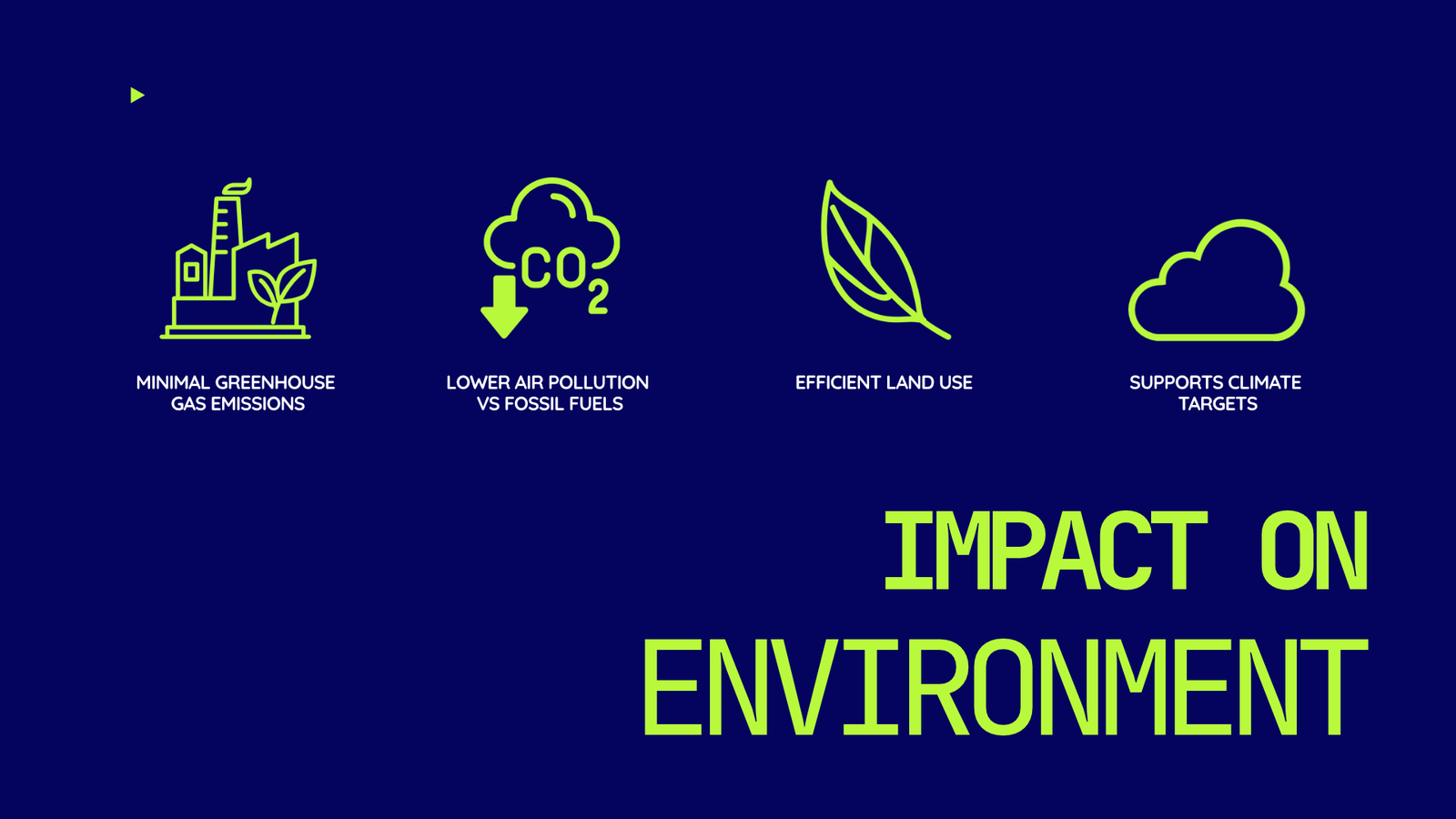
The environmental footprint of nuclear energy is unique. Nuclear reactors that generate electricity result in extremely low direct greenhouse gas emissions in comparison with power stations based on fossil fuels. This is because nuclear energy has the potential to be a significant part of the solution to emissions reduction and the fight against climate change.
Another benefit is that it can generate power round the clock, whether it is sunny or windy. This can be used as an additional source of renewable energy to solar and wind power systems to fulfill the demand when the renewable generation fluctuates.
But nuclear power is not a clean energy. Materials and energy are required for the uranium mining, fuel processing, and plant construction and decommissioning. Nuclear power plants require cooling facilities too, and these can have impacts on water resources and water quality in local aquatic habitats when they are managed poorly.
Another long term issue is radioactive wastes. Spent nuclear fuel is still radioactive, and poses a risk from handling, storage and disposal if not done properly. Some programmes are using or developing deep geological repositories as a long-term disposal method for some types of radioactive waste.
Any evaluation of nuclear power should include all of its life cycle impacts, such as emissions, land usage, water usage, waste management, and the potential impacts of nuclear power accidents. To minimize these impacts, responsible planning and effective regulation is crucial.
6. Management of nuclear waste and long-term responsibility
The safe utilization of radioactive substances is one of the major problems of nuclear power. Nuclear power plants produce small amounts of fuel wastes relative to the amounts of fossil fuel that are consumed in a conventional power plant, but the isolation and monitoring of some radioactive material must last for very long periods of time.
The first step of spent nuclear fuel storage is in specially designed pools where the water cools off and shields radiation. Once cooled sufficiently to national standard and/or facility requirements, it can be moved to engineered dry-storage systems.
For long-term disposal, it's a different story. Deep geological repositories will prevent the release of appropriate radioactive wastes into the environment, with multiple engineered and natural barriers, to isolate them in stable geological formations. Such facilities take decades to select, approve and build, due to technical requirements, regulatory processes and public consultation.
In addition, some countries have begun to explore the possibilities of reprocessing and recycling of some materials from the spent fuel. These approaches can alter the use of resources, but also have some extra technical, economic, security, and waste-management aspects to consider.
The life of a reactor is not the only part of the responsibility for responsible fuel management. Decommissioning of nuclear facilities is a necessary step at some time in the future and contaminated materials should be treated properly and sites managed to meet regulatory requirements.
The cost of nuclear power must thus reflect the construction and operation of reactors, as well as fuel, waste generation and facility management over the entire nuclear power's life cycle.
7. Opportunities and challenges in the future of nuclear energy
Climate objectives, energy security, and the speed of technology advancement will be important drivers of the future of nuclear power, as will the demand for electricity. In the context of countries transitioning to electrification of transport, increasing digital infrastructure, and modernising industry, there is a need for reliable sources of electricity that can support renewable electricity generation.
Nuclear could contribute to meeting some of this demand, especially for electricity systems where low-emission generation with reliability is a priority. Existing reactors can also participate by achieving safe extended life, as long as they are appropriately upgraded and maintained to meet today's regulatory requirements.
However, the construction of new nuclear powerplant is a complicated process. High initial investment, long construction time, financing constraints, lack of specialized skills, etc. are some of the challenges that large projects may encounter. Local political decisions, acceptance of projects by the public and availability of reliable supply chains are also factors that can affect whether projects proceed.
There are opportunities for other advanced technologies, such as SMRs, but they would require commercial demonstration and successful deployment to become realities. Rapidly developing renewable energy, energy storage, and grid improvements, among other low-carbon technologies, will also drive down the cost of nuclear.
International cooperation, proper regulation, human resource development, and communication transparency will continue to be vital. There is no magic solution to all the energy problems. Energy mix will differ from country to country depending on their resources, infrastructure, electricity demand and long-term goals.
Thus, the coming phase of nuclear energy will require the capacity to fuse scientific advances with responsible investments, stringent safety measures and practical planning.
Conclusion: Balancing Innovation, Safety and Sustainability
Nuclear energy is one of the most potent uses of modern science. Reactors can produce large amounts of electricity from controlled nuclear fission and result in very low direct greenhouse gas emissions in operation. They can deliver power over time and are a viable solution for countries aiming to create secure and low-carbon energy systems.
But, nuclear power also has responsibilities that cannot be denied. Safety has to be paramount, radioactive waste must be long-term managed, and new projects need to demonstrate the cost and benefits of their projects. Rigorous testing, effective regulation and transparent decision-making are essential to enable opportunities to be realised from technological innovation.
Reactor technology will not be the only factor to determine the future of nuclear energy. It will also rely on the answers to the trust, affordability and environmental considerations questions posed by governments, scientists, energy companies and communities.