




Featured News



Entertainment










Health

Cancer Awareness: Understanding Risks, Prevention and Treatment
Cancer is among the most important health problems in the world and causes millions of deaths and disabilities around the world annually. Progress in medicine, early diagnosis, prevention and treatment is helping to improve outcome and save lives. Being knowledgeable about cancer, knowing warning signs and making intelligent health choices can make a difference in reducing the impact of cancer. Cancer awareness helps individuals make informed decisions about their health, helping them to lead healthier lives, while also promoting a more empathetic and understanding attitude toward the disease.
01 / Learn About Cancer and its Causes
Cancer occurs when abnormal cells start to grow faster than normal and spread without being controlled by the body's normal biological processes. These cells may form tumors, invade nearby tissues, or spread to other parts of the body through the bloodstream or lymphatic system—a process known as metastasis.
There are over 100 different diseases under the umbrella of cancer. Examples are breast cancer, lung cancer, colorectal cancer, prostate cancer, skin cancer, and blood cancers like leukemia. These two types have different characteristics and may have very different diagnosis, treatment and prognosis.
The cause of cancer is not fully understood, but once it is understood, it's easier to identify risk factors, increase prevention and seek care when needed.
02 / Common Risk Factors and Causes of Cancer
There are various factors such as genetics, environment and lifestyle which can predispose a person to cancer. Some risks are unavoidable, but others can be minimized by adopting healthier behaviors and taking preventive actions.
There are multiple risk factors such as smoking and tobacco use that are prominent causes of lung, mouth and throat cancers. Excessive body weight, poor nutrition and sedentary lifestyle are also risk factors. Excessive sun and sun-bed exposure can cause skin cancer and some people have genes that make them more likely to develop some forms of cancer. Certain infections, exposure to chemicals in the workplace and air pollution can also play a role in the development of cancer. Knowing these risk factors can enable individuals to make healthier choices and take action to lower their risk of cancer.
03 / Change of Mood, Behavior or Appearance are Warning Signs
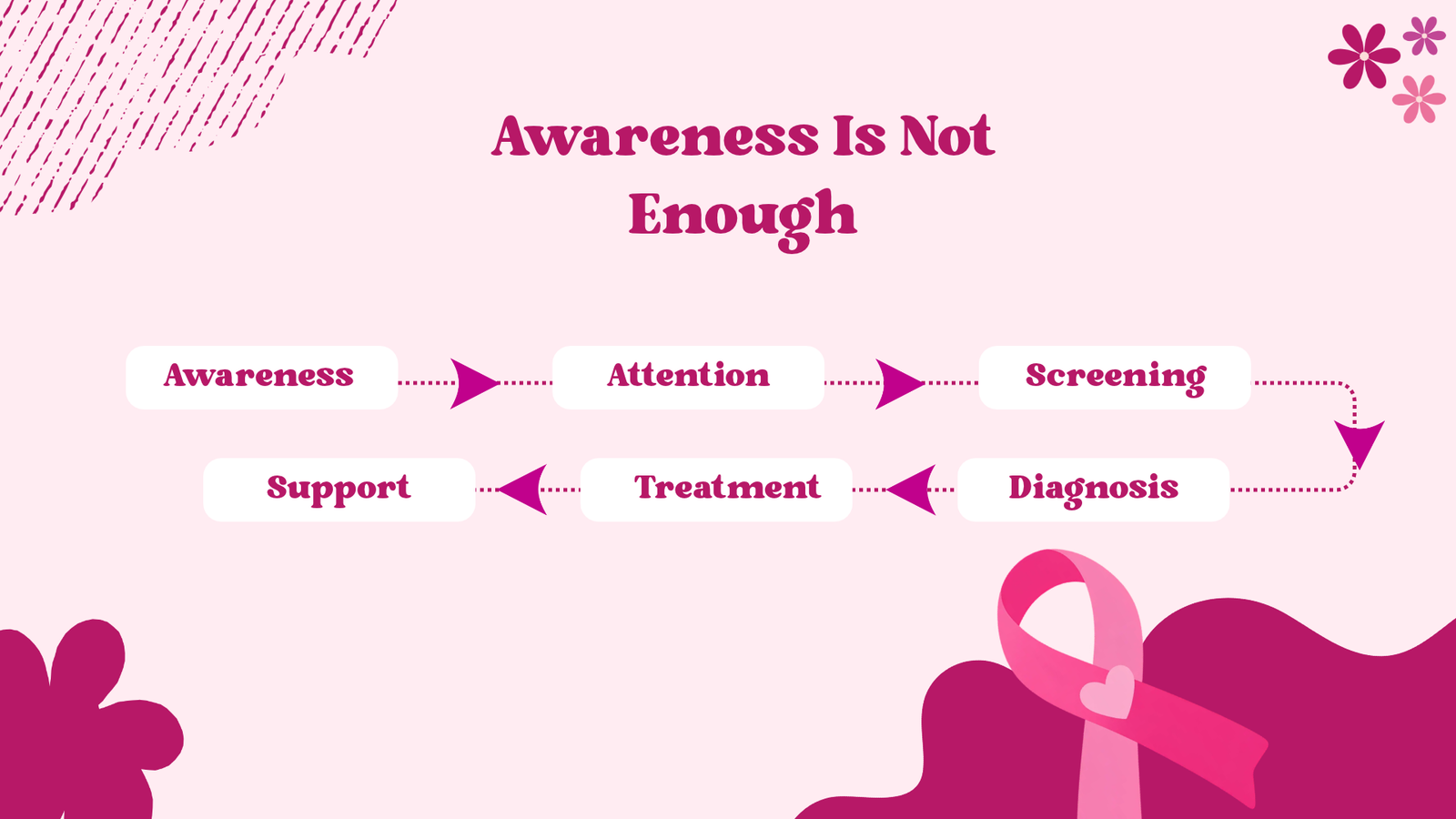
Early diagnosis can be a key to cancer management. Certain cancers can be more responsive to treatment if they are caught before they have spread, so screening tests and regular examinations are important.
There are some common symptoms of cancer, such as unexplained weight loss, extreme fatigue, skin changes in existing moles or palpitations, and skin lumps or swelling. Some other signs or symptoms may be coughing that lasts for a long time, trouble swallowing, bleeding that doesn't have an obvious cause, or changes in bowel or bladder habits. While all of these can be signs of cancer, it may not be the case if they stop or are not unusual; if they persist, however, it is important to consult a healthcare professional.
The symptoms are not necessarily signs of cancer. Many can be related to other conditions but if there are any symptoms that persist, are unusual or getting worse it is important to seek medical advice.
For some cancers, screening tests like mammograms, cervical cancer screening, colorectal cancer tests, and a few lung cancer tests may detect cancer at an earlier stage in individuals who are recommended for screening.
04 / Cancer Prevention Through Healthy Lifestyle Choices
While there are types of cancer that cannot be prevented, there are others that can be prevented by lifestyle choices. Prevention emphasizes developing healthy habits that improve overall health and decrease exposure to known risk factors.
Prevention of cancer is important to avoid tobacco and second-hand smoke, maintain a healthy body weight and eat a balanced diet, which is a diet rich in fruits, vegetables, whole grains and fibre. Also, regular exercise and reducing sitting time can help maintain good health. Avoiding or cutting back on alcohol, keeping skin out of excessive amounts of sunlight and maintaining current vaccines including HPV and Hepatitis B vaccines can also help to prevent some types of cancer.
Prevention is not a matter of perfection. Making small, predictable changes in daily life can result in improved long-term health, and reduce the risk of some diseases.
05 / Modern Cancer Treatments and Medical Innovations
There have been significant improvements in cancer treatment in the last few decades. Treatment options are now used as a combination of treatments depending on the type of cancer, the stage of cancer, overall health of the patient, and the characteristics of the tumor.
Treatment for cancer varies depending upon the type and stage and can involve more than one treatment method. Chemotherapy involves taking drugs to inhibit the growth of cancer cells or to kill any cancerous tumours and surgery involves the removal of affected tissues or cancerous tumours. Radiation therapy aims to destroy cancer cells using high-energy radiation and immunotherapy assists the body's immune system in attacking cancer. Targeted therapy targets specific changes in cancer cells and hormone therapy prevents or decreases hormones that promote the growth of some cancers.
Research is ongoing to more precisely target treatment, minimise side effects and create novel therapies for cancers that posed challenges before. Treatment will be with one strategy or a combination of strategies, depending on the diagnosis.
06 / Emotional Support, Mental Health & Life During Cancer
Cancer is a disease that goes beyond the body. When a patient gets a diagnosis, so can their loved ones, with fear, uncertainty, stress, sadness and emotional exhaustion being brought on. Other areas of life that can be impacted by treatment include daily activities, relationships, work and finances.
Emotional support is a key aspect of cancer care. Family members, friends, professional counselors, psychologists, and support groups may be able to offer comfort and assist patients in dealing with the difficulties of diagnosis and treatment.
Open communication with health care professionals, stress management, maintaining social connections and time for rest may help to enhance the quality of life. Patients should also find it easy to talk to their health care providers about emotional problems, because psychological help can be provided during the treatment for cancer.
07 / The Future of Cancer Research and Awareness
Personalized medicine, earlier diagnosis and improved treatments are key to the future of cancer care. Scientists are investigating novel methods to analyze the genetic and molecular profile of tumors in order to find treatments more effective for individual patients.
Opportunities include liquid biopsies, precision medicine, better imaging, new immunotherapies and combinations. These advances could lead to the identification of some cancers earlier, tracking of treatment success and the development of more personalized treatment strategies.
Cancer awareness programmes also remain significant, not only in educating communities, but also in the promotion of risk avoidance, decreasing stigma and encouraging screening and health services. With improved awareness and advances in science, there is hope for improved cancer outcomes for all.
Conclusion
Cancer awareness is a process of awareness, prevention, early detection, caring and scientific research. While cancer is a serious worldwide health problem, knowing what causes cancer, what symptoms to look for, when to get screened and how to live a healthier lifestyle can help. New treatment options are being developed and existing treatments are constantly being enhanced, providing new hope for patients globally.
The number one message is: action from awareness not fear. Prevention, early detection, treatment, support and information can help create a healthier and happier future.



News

Cape Verde’s Presidential Election and the Future of Democratic Governance
Cape Verde (Cabo Verde) is considered one of the most stable and peaceful democracies, with healthy political competition and institutional stableness, in Africa. The presidential elections have a significant impact on the political trajectory of the country, the trust of the people and the way that democracy is developing in a small island country under economic, social and global pressures. The electoral process in Cape Verde is not just about the change of government, but also about the hopes and dreams of citizens for transparency, accountability, development and a better future.
01 / A Democratic Success Story in West Africa
Cape Verde is one of the most politically stable and democratic nations in West Africa. There has been peaceful transfer of power, political competition and democratic elections since the introduction of multiparty democracy without significant political violence. The democratic systems have contributed to an increase in international confidence and its separation from the countries plagued by political instability. The 2026 presidential election will continue such democratic heritage, and will also be an examination of how the nation can keep up good institutions and public engagement in a shifting political landscape.
02 / The 2026 Presidential Election and its Outcome
On November 15, 2026, Cape Verde's presidential election took place, featuring six candidates contesting for the country's top position. Incumbent president José Maria Neves was elected to a second five-year term, with about 63.8% of the vote, while his primary opponent, Joana Rosa, got about 31.6%. The outcome meant that Neves was able to be declared winner in the first round, without a runoff. The elections were indicative of the ongoing robust nature of the country's electoral system, albeit with a low turnout, which called into question levels of political engagement and participation.
03 / Competitive and Partisan Dynamics; Power Balance
The main political parties in Cape Verde, namely the African Party for the Independence of Cape Verde (PAICV) and the Movement for Democracy (MpD), drive political competition in the country. These groups have been at the forefront of democratic change and policy discussions in the country. 2026 was an election in a changing political landscape after parliamentary elections earlier in the year. Political balance, accountability and the representation of various public interests will be key areas, which will depend on the relationship between the presidency, parliament, government and opposition.
04 / Democratic Institutions, Transparency, and Accountability
Independent institutions, transparent decision-making and a rule of law are essential to strong democratic governance. The electoral institutions, courts, parliament and public administration are important in ensuring democratic principles are respected in Cape Verde. The orderly voting process, institutional coordination, and the legal framework for the 2026 election were noted by election observers. The government's transparency, oversight and independence of public institutions will be crucial to maintaining citizens' trust and democratic stability in the future.
05 / Voter Participation and the Challenge of Political Disengagement

Low voter turnout was one of the major issues for the next presidential race in 2026. Turnout was around 31.7%, marking a rise in political disengagement concerns, preliminary figures revealed. Less involvement can be a result of emigration, population change, out-of-date electoral lists, and disappointment in political promises. Increasing voter turnout and promoting more representative elections may be possible through encouraging younger citizens, boosting voter registration, increasing the number of polling stations, and increasing the number of citizens who can cast their votes from abroad.
06 / Economic Challenges and the Public's Expectations
Despite the democratic governance and economic development achieved in Cape Verde, many people live in poverty, struggle to find jobs, suffer from high living costs and unequal opportunities between the various islands. Education and employment overseas is a popular option among young people. The 2026 election was one which raised hopes for higher pay, better public services, lower housing costs, better health and education, and better opportunities for a better economy. The success of democratic leadership will not only be evaluated on political stability, but also on how to enhance citizens' daily living.
07 / The Future of Democracy in Cape Verde
How Cape Verde copes with new political, economic and social challenges will be crucial to its future as a democratic governance. Issues such as strengthening electoral participation, enhancing transparency, fostering independent media, enhancing political inclusion and empowering youth to engage in public life will be important priorities. The country could also consider using modern voting systems and election reforms that ensure greater accessibility. Cape Verde can remain a model of peaceful government and democratic resilience in Africa, safeguarding democratic institutions and meeting the needs of its population.
Conclusion
The presidential elections in 2026 in Cape Verde, an African nation of 400,000 people, underscore the country's enduring democratic heritage, competitive political process and institutional resilience. The low turnout demonstrates key issues that should not be overlooked while at the same time being a reflection of the country's robust electoral system – one that's been in place for a long time. The unemployment, emigration, economic disparity and political apathy are still important concerns.
More than successful elections will be needed to make Cape Verdean democracy a reality. It will need leadership that is responsive, institutions that are accountable, more youth involvement, and policies that will lead to better citizens' lives. With political stability and inclusive economic growth and a more vibrant civil society, Cape Verde will remain a key democratic model in Africa.